If you walk into thrift stores looking only for brand names, you may be leaving a lot of money on the rack. That is the message from reseller Lee Meyer of @TheEmpowered, who says she has sold thousands of thrifted items and made well over $100,000 in profit.
Her proof starts with three sales. A dress with no brand tag sold for $85. A bag from a brand where most of the sold listings she sees are under $50 went for $240. And a little mall brand tank top sold for $150.
What made them worth so much? In her words, “it wasn’t the brand, it was the look.”
The $85 Dress Had Its Brand Tag Torn Out, But The Mesh Overlay Did The Selling
The dress is one of her favorite examples. The only tag left says “46” and “100% polyester, imported,” with not even a country of manufacture. It is a maxi dress with a mesh overlay and a darker, romantic look, the kind of silhouette that fits a style called whimsy goth, and it sold for $85 after an offer.
Whimsy goth, she explains, means darker colors, velvet, mesh, floral designs, celestial details, maxi lengths, hanky hems and beadwork, often overlapping with the Y2K era. A halter tank from a brand called Aftershock with floral beadwork sold for $78, and a velvet burnout top from Cold Water Creek sold for $60 because the seller used “whimsy goth” in the description.
She says most Cold Water Creek is not worth getting excited about, but the right piece changes everything.
A Rhinestone Cow Print Purse Sold For The Full $240 Asking Price
The bag is from Nicole Lee, which she calls a decent brand whose typical sold listings are not $200 plus bags. This one has heavy rhinestone embellishment, a cross on the front and cow print, “about as McBling as McBling gets,” and it sold for the full $240 asking price.
McBling is the rhinestone, sequin and big logo look that peaked in the Y2K era. A ribbed Fox Racing Henley with embellishment across the front sold for $95, and Victoria’s Secret Pink fold over yoga shorts with sequins, animal print and huge lettering sold for $150. The seller used Y2K in the title and McBling in the description, and she points out that Poshmark, like eBay, reads the whole listing and not just the title.
Western Shirts From Brands Nobody Searches Sold For $50 To $70
A Wrangler brush popper shirt sold for $70 after an offer, but she says you do not need Wrangler. A shirt from a brand called DC, tagged “by Washington Manufacturing Company, made in the USA,” sold for $60 thanks to decorative stitching. A Blue Bee shirt with embroidered horses and cactus sold for $50.
When she is sourcing she looks for thick decorative stitches, snaps, piping and embroidery, which signal words like western and cowboy.
The Skirt From A Brand That Sells For Under $20 Went For $64
A skirt from Outback Red is her warning against pricing by the tag. Other items from that brand mostly sold for under $20, but this maxi skirt with a lace up yoke, embroidery and a ruffle hem, listed with “prairie” in the title, sold for $64.
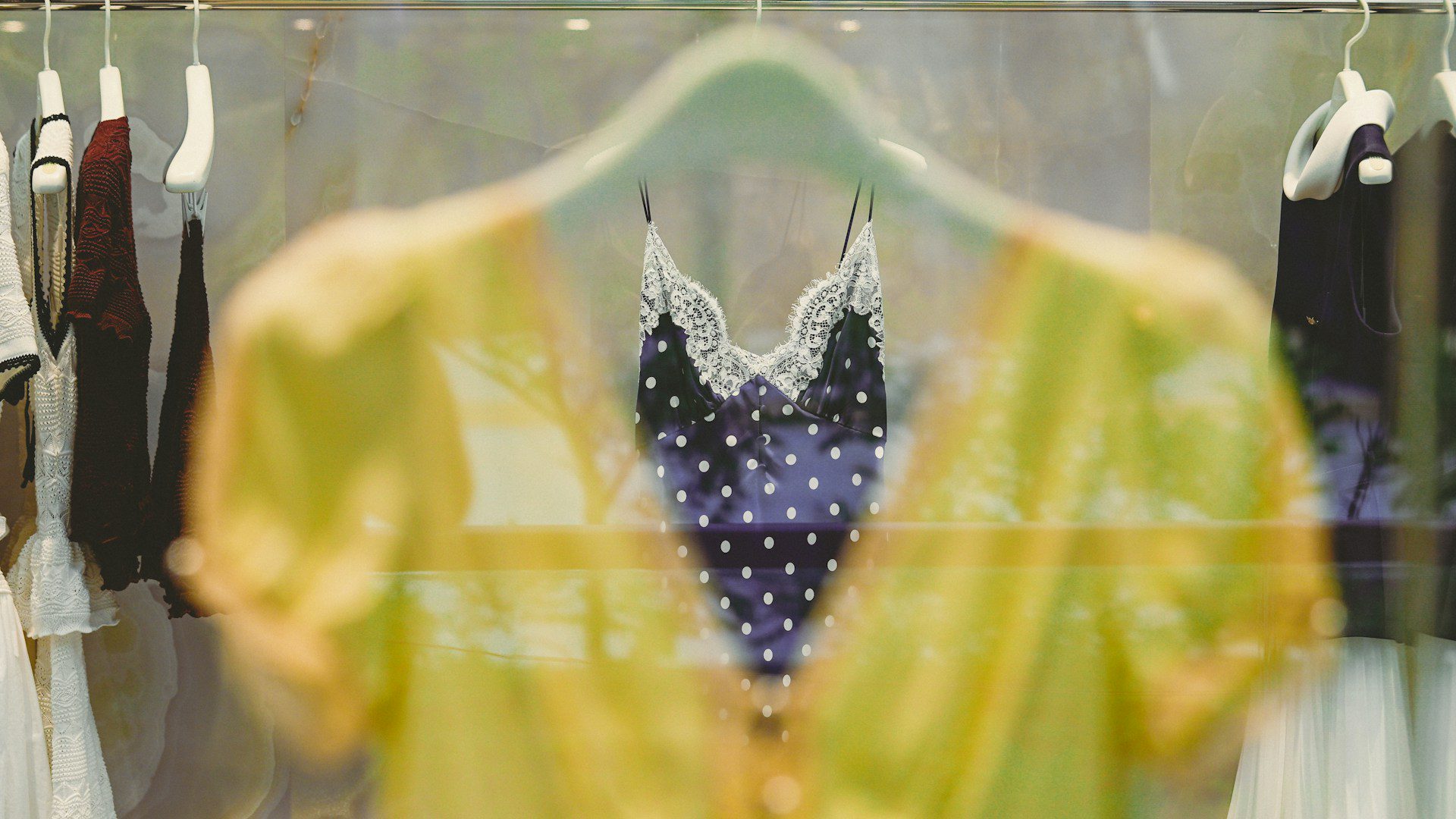
The prairie and cottagecore look means maxi lengths, lace, ruffles, florals and fuller skirts. A handmade dress with no designer sold for $50, and a Gunne Sax dress with prairie maxi dress in the title sold for $225. In the coquette style, with lace, ruffles, bows and pastels, an Abercrombie and Fitch lace cami sold for $150 and an unbranded ivory cropped jacket sold for $60.
Upcycled pieces count too. Men’s Levi’s 550 jeans reworked with floral patchwork and monarch butterflies into one of a kind women’s jeans sold for about $165, and an art to wear jacket from Paparazzi Biz with floral embroidery sold for $85. A Nike ACG hoodie listed with gorpcore sold for around $75, and Carhartt double knee pants sold for $60.
Five Things To Know Before You Buy Anything
She warns against buying everything that looks vaguely coquette or western. First, look at the type of clothing, since denim mini skirts, prairie maxi dresses, lace cami tops, puffer vests and western snap shirts already have buyers. Second, research the solds, not just someone’s listed price.
Third, use more than one accurate keyword, such as Y2K, McBling and coquette, with the strongest in the title and others in the description, tags and item specifics, but never keyword stuffing. Fourth, describe what makes the item that style, such as pearl snaps, lace trim or velvet burnout, because a buyer may type “pink lace trim cami” instead of “coquette camisole.” Fifth, price off comparable pieces by style, era and materials, not the tag.
Three Questions That Tell You The Style Is Strong Enough To Ignore The Brand
Does the item immediately look like something? If she has to stare at it for five minutes to convince herself it is coquette, she is reaching. Does it have more than one detail supporting the look, rather than one tiny rhinestone? And is it harder to replace, such as handmade, one of a kind, with unusual embroidery or a rare size?
For pricing with few comps, she looks at multiple similar pieces and builds a range, and for a truly unique item she would start high and take offers. She says a piece with potential to sell for $100 or $200 is worth the wait if demand is proven.
More Stories You May Like
- Thrift Store Reseller Puts Back A Disney Shirt, A Real Tree Fishing Top And Spanx Leggings, Then Takes Home A Jumpsuit That Sold For $30 To $60
- Mom Spots Red Tags In Aldi’s Aisle Of Shame And Walks Out With A $29.99 Cornhole Set For $11.99 While Her Thrift Christmas Shopping Is Just Getting Started
- Mom Tries To Feed Her Family Of Seven For $8 At Walmart, Then The Checkout Total Hits $9.60 Because Nothing Sells By The Piece