

Walk into a thrift store and the racks can feel endless. Where do you start? What is worth picking up, and what is just a pretty tag? One shopper who calls herself the lazy thrifter says she has a countdown of secrets that she believes will change how you shop, and resellers have been taking notes.

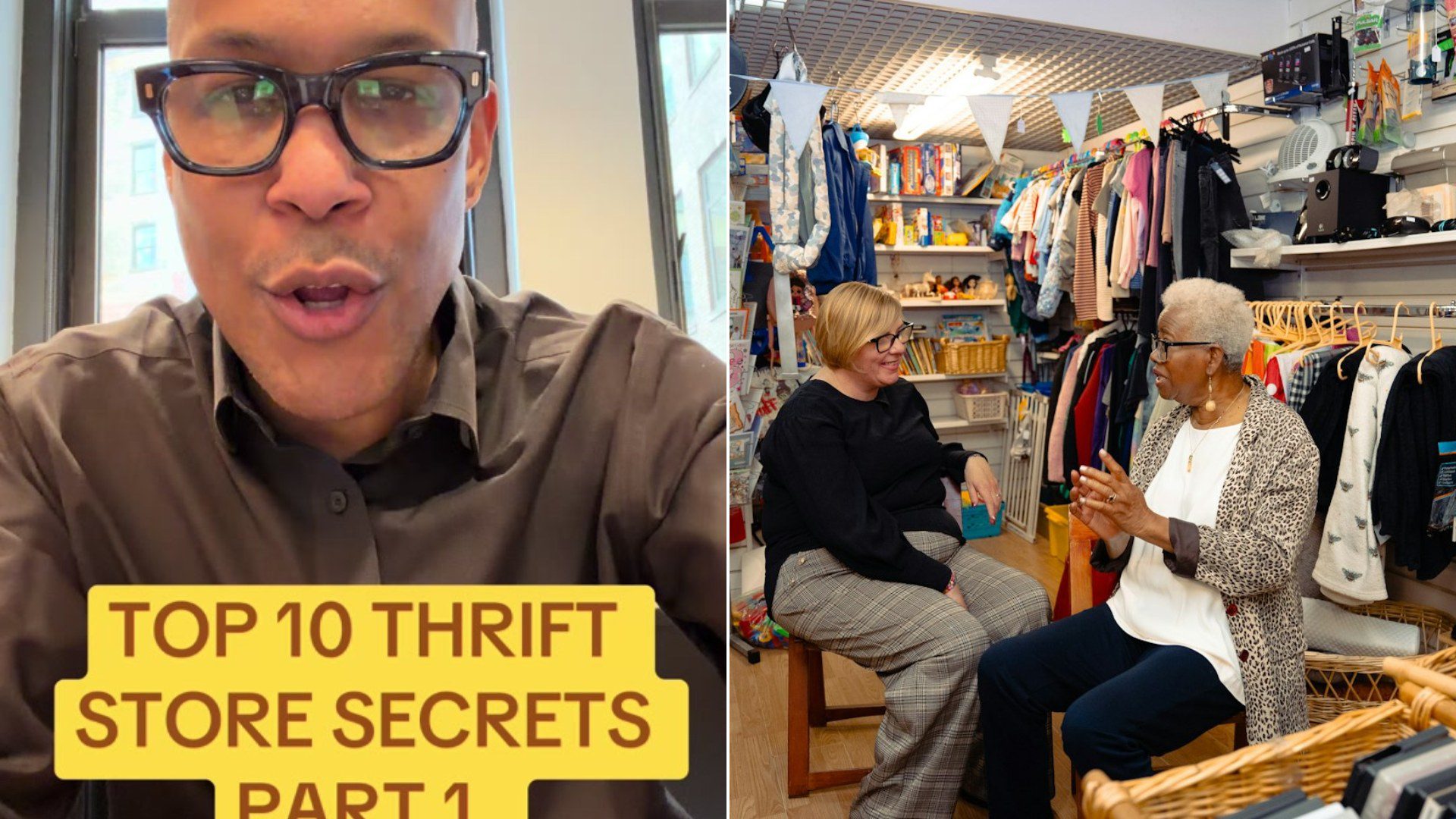
The creator behind @the.lazy.thrifter on TikTok ran down her top ten tips. Here they are, in plain English, along with some advice on putting them to use whether you shop for yourself or plan to sell what you find.
@the.lazy.thrifter
Start at the glass case
Her number one place to begin is the glass case, or whatever the store puts off to the side. Thrift stores make their biggest pricing mistakes there, she says. A store may price a Michael Kors bag at $50 because it seems elevated, and price a much more valuable designer bag, such as a Loewe, at about the same. That is a big gap in value for the same price tag.
Go to the blazers and coats
This is where she finds the most bang for the buck in quality and price. Well-made outerwear is expensive new, and secondhand it often costs a fraction.
Learn your Ralph Lauren labels
Stores usually recognize the Polo label, she says, but often do not know Purple Label, which is a higher-end line. You can often find a Purple Label piece priced like a Polo. A jacket for $20 that turns out to be Purple Label is a fantastic find.
Look for luxury brands the staff do not know
Names like Zegna, Loro Piana and Brunello Cucinelli may not ring a bell with the people pricing donations. Keep an eye out for them all over the store, in men’s, women’s and sweaters.
In dresses, look for “collection” lines
She points out that Calvin Klein Collection, Michael Kors Collection and Tommy Hilfiger Collection are not the same as the regular lines you know. They are the very elevated versions, and the staff often do not realize it. That is where she finds what she calls unbelievable deals.
Shop for yourself? Fabric and fit first
If you are buying for your own closet, she says to forget about the label and look at fabric and fit. Cashmere, silk, leather and wool, 100 percent, come first. The label is third on her list. Something that feels wonderful and fits well will serve you far better than a famous name that does not.
Be wary of diffusion lines
She calls diffusion lines almost always a scam. Often you can tell from the name. They are a way to make you think you are getting the higher brand when you are not. She usually skips them, except sometimes for coats.
For sweaters, check the content tag
Look for 100 percent cashmere or 100 percent wool. Again, it is the material, not the brand, that matters most.
Look up the unknown brands
If you do not recognize a label, search for it in the ThredUp search engine to see what that brand sells for. If items are going for $100 or more, she says, it is a good deal.
Do not shop with anxiety
Her final tip is a calming one: what is meant for you is meant for you. If you leave something behind, there will be another find next week.
A shopping plan you can use this weekend
Here is how to bring her list with you on your next trip.
- Go to the glass case first. Ask to see anything that catches your eye. Check the labels, weight and condition.
- Feel before you look. Run your hand over a sweater or coat. Wool, cashmere and silk feel different from synthetics. Then read the content tag to confirm.
- Check the inside tags. The brand and line name are often printed on a small label inside the collar or at the seam.
- Do a quick search on your phone. For anything unfamiliar, look up the brand name and see what similar items sell for. Search sold items, not asking prices.
- Check the condition. Look for stains, pilling, missing buttons, underarm discoloration and tears. Condition is the difference between a find and a bust.
- Try it on. A piece that does not fit is never a bargain.
If you plan to resell
These same tips apply to selling. Items like high-end outerwear, wool and cashmere sweaters, and elevated collection dresses tend to appeal to resale buyers because the quality shows. Set a budget before you go in. As a rule of thumb, many sellers aim to pay no more than a quarter to a third of what they expect an item to sell for, since fees and shipping come out of the sale. Write honest descriptions, take bright photos, and include measurements.
The lazy thrifter’s biggest lesson is that prices in a thrift store are set quickly by people who are sorting mountains of donations. That means the best deals are items that were not recognized. A little knowledge of fabric, labels and lines can turn a fifteen-dollar jacket into a treasure.
More Stories You May Like
- Reseller Says Used Clothes Are Not Worthless Because Cleaning Them Up, Taking Clear Photos, Listing Them On eBay And Shipping On Time Can Help Pay The Bills
- Thrift Flipper Paid Forty Dollars For An Italian Leather Couch At Goodwill And Says One Hour Of Work Means Five Hundred Sixty Dollars In Profit
- She Bought Eighteen Mismatched Nightstands For Five Hundred Sixty Nine Dollars And Refinished Them All At Once In An Assembly Line