


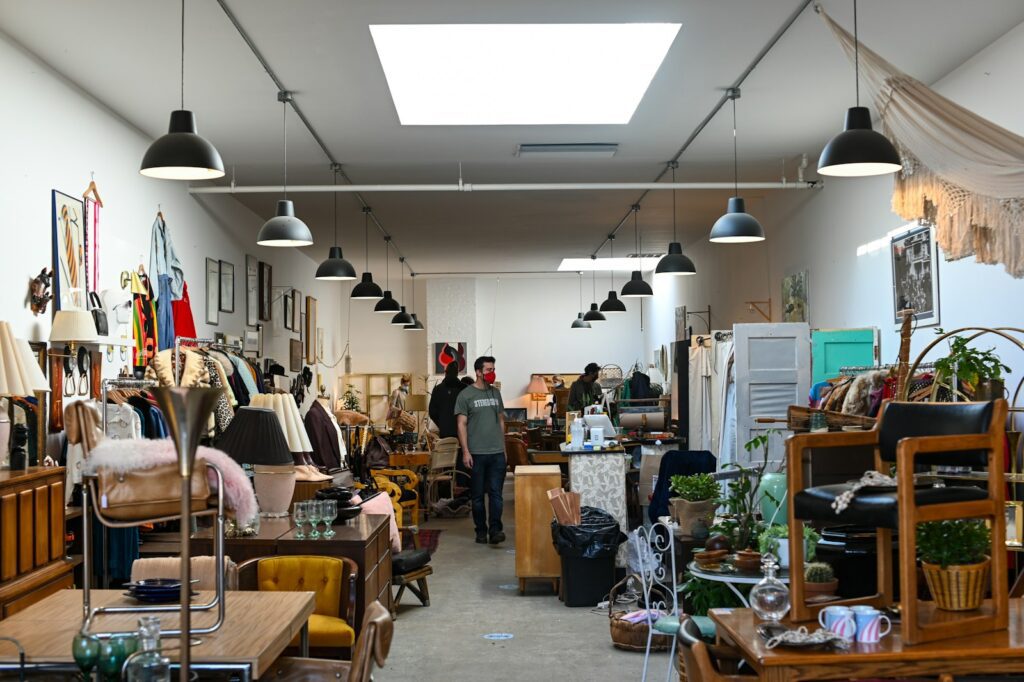
It was just another day at the thrift store when a customer strolled up to the register, arms full of colorful shirts, ready to take on what seemed like an average shopping trip. But as the cashier rang up the items, things took a turn that left the staff baffled. The cashier quoted the total, and she quickly challenged it in a way that caught everyone off guard.
A woman, clearly feeling confident, insisted that the total for five shirts – marked down to $2.50 each during a 50% off sale – should be just $5 for all. It was baffling. The math simply didn’t add up, but she was adamant. “But it’s $5! Why is everything so expensive?” she argued, completely missing the point of the sale.

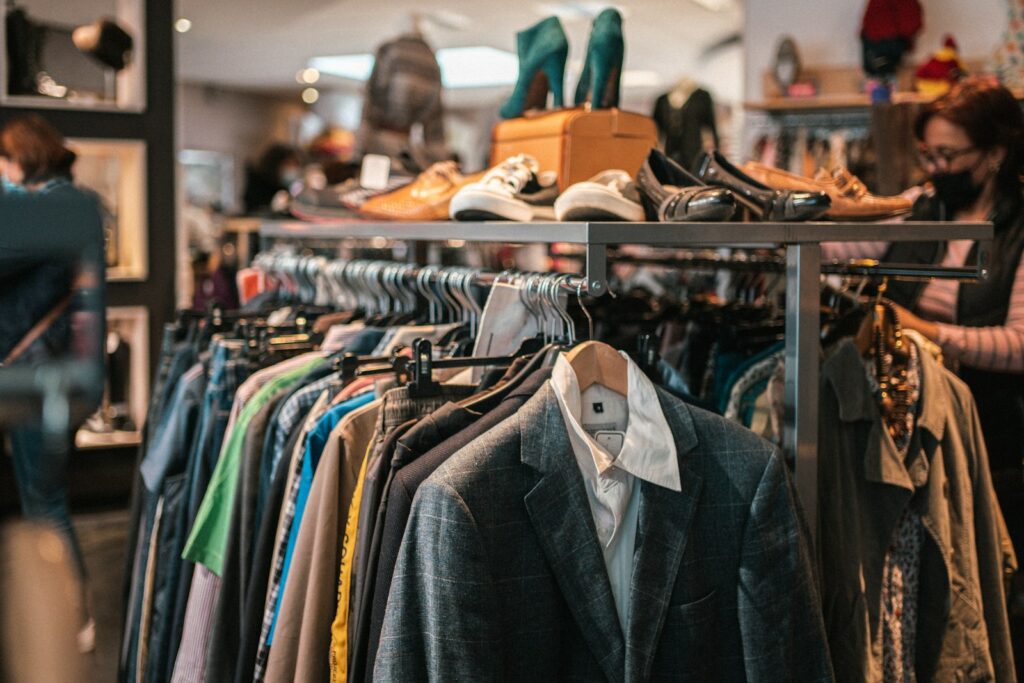
The cashier stood firm, explaining, “Shirts are normally $5, but right now, they’re half off, making them $2.50 each. That’s $12.50 for five shirts.” The woman’s friend must have sensed the rising tension because she glanced at the register, her expressions shifting from curiosity to disbelief. A second employee came over to clarify the total, confirming it was correct. Yet, the woman didn’t budge. “Can’t you make it $5?” she asked, her insistence growing. It seemed she was oblivious to simple math.
What followed next was a mixture of confusion and amusement. The woman ultimately settled for two shirts, a drastic change from her initial plan to snag five at a bargain price. Most surprising was her friend’s parting remark as they left: “If it was up to me, we would’ve paid nothing.” It seemed the absurdity of the situation had struck a nerve with her companion, stirring up thoughts that were just as strange as the negotiation itself.
People had very different reactions online. Some were simply bewildered by the woman’s insistence. “Did she actually think the cashier would just give her the shirts for nothing?” one commenter mused. There was a sense of collective disbelief shared among readers as they recounted their own strange shopping experiences.
Others pointed out the entitlement that often appears with some shoppers. “It’s crazy how some people just don’t accept that prices reflect the work put into these items,” one noted. It made sense given the context of thrift stores, where donations and labor mix to create the final price. These are places where people usually find unique items, and the effort behind it should be acknowledged, not dismissed.
Further comments reflected on the social dynamic of shopping trips, with some recalling their own experiences of being embarrassed by friends or family who tried to bargain inappropriately, making others around them uncomfortable. “Shopping with people like that is always a gamble,” another user shared, highlighting that no one wants to be associated with that kind of awkward energy.
As absurd as the whole encounter was, the story had an air of familiarity. Many found comfort in the shared experience of retail struggles, recalling instances where customers pushed limits or made unreasonable demands. The interaction left a lingering question about shopping etiquette and the lengths some will go to save a few bucks.
In the end, the exchange became more than just a simple trip to the thrift store. It sparked discussions on consumer behavior, what people expect when they shop, and how social interactions can shift drastically in public spaces. The bewildering back-and-forth felt oddly relatable, yet uncomfortable, encapsulating a moment that might leave anyone thinking twice the next time they step into a store.
More from Decluttering Mom: