

Some thrift store finds look like nothing until you do your homework. A crystal jar with a $7.99 price tag is a good example of why it pays to look closely.

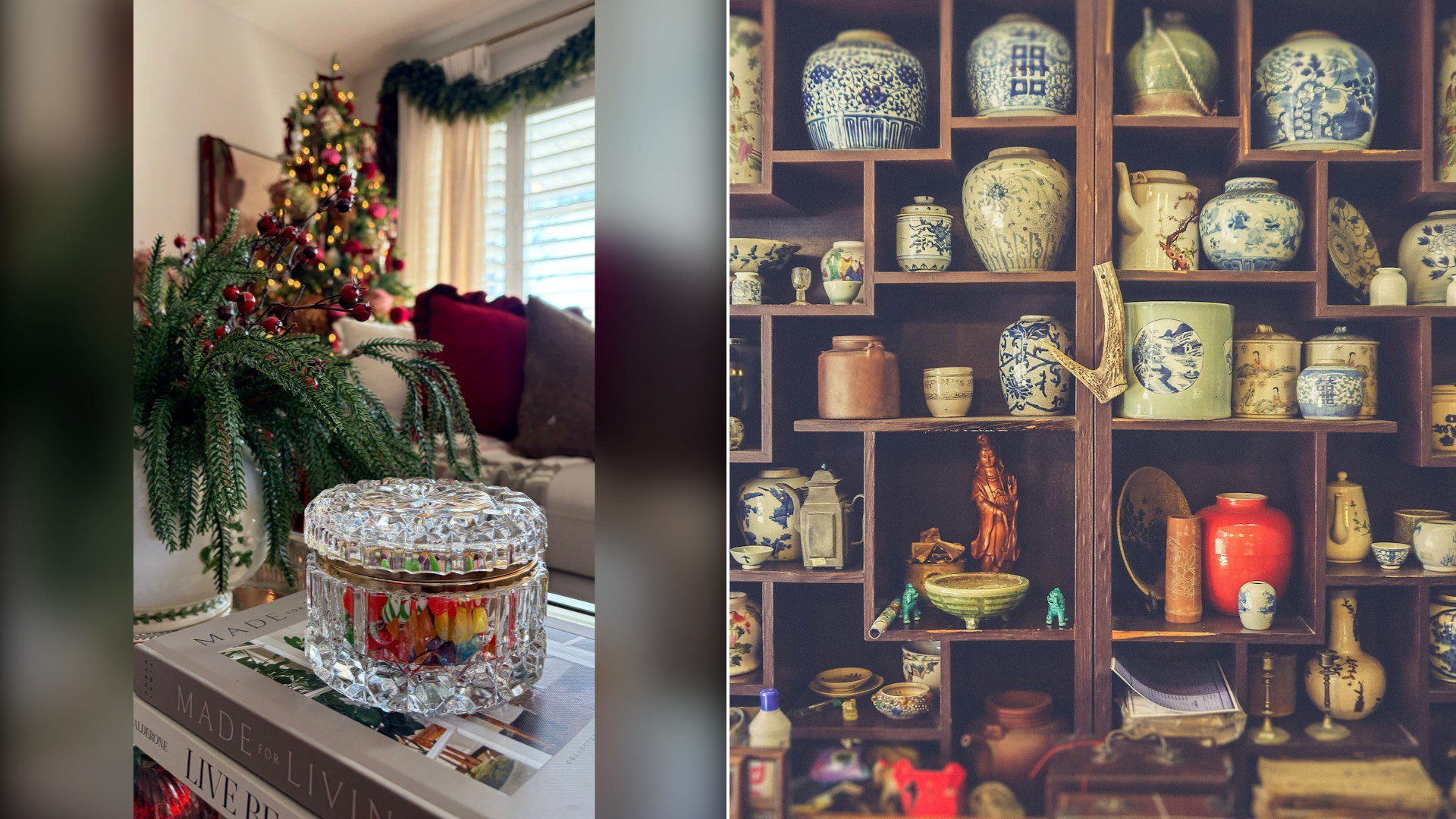
According to a reel from @elizabeth_cozyhome, a thrifter paid $7.99 for the crystal jar at the thrift store and listed it online for $857.
That is a gap of $849.01 between what was paid and the asking price. Whether or not it sells at that number, it is a story that sends shoppers straight to the glassware aisle.
$7.99 In The Cart And $857 On The Listing
The numbers are what grab you. A price tag under eight dollars on the shelf, and a listing price that would cover a month of groceries or a good chunk of a car payment.
Remember, though, that a listing price is an asking price. The real test is what a buyer eventually pays, and that is something every reseller learns to watch closely.
Why Crystal And Fine Glass Can Be Worth Real Money
Crystal has a long history as a status piece. Lead crystal from well-known makers has been prized for its weight, clarity, and the sparkle of hand-cut patterns. Pieces from respected brands, older patterns, or limited runs can draw serious collectors.
Condition matters a great deal. Chips, cracks, cloudy spots, and missing lids can cut the value sharply, while an intact piece with its original lid can command a premium.
How To Spot A Valuable Piece In The Thrift Aisle
Start by turning the piece over. Look for etched marks, signatures, or labels near the base. Tap it gently and listen for a clear ring, which is often a sign of quality crystal. Run a finger around rims and edges to check for chips.
Next, hold it up to the light. Fine cutting should look sharp and crisp, and the glass should feel heavy for its size. Take a quick photo of any marks so you can research them.
- Check the base for signatures, etchings, or foil labels.
- Feel for weight and sharp cut edges.
- Look closely for chips, cracks, and haze.
- Make sure lids and stoppers match and fit properly.
- Photograph every mark before you leave the store.
Do The Homework Before You Dream Of A Big Payday
Search for the same piece in sold listings. Completed sales tell you what people actually paid, which is far more useful than an optimistic asking price. If you cannot find sold examples, treat the number with caution.
A rare piece may sit for months before the right buyer shows up. Some sellers list high and accept offers, while others price closer to recent sales to move things faster.
Photography And Listing Tips That Help Glass Sell
Glass is tricky to photograph. Use a plain background, soft natural light, and avoid direct flash that creates glare. Show the piece from several angles and include a close-up of any marks.
Describe the piece honestly, with measurements in inches and a note on condition. Buyers of fine glassware want details, and good descriptions earn trust.
Pack It Like It Is Made Of, Well, Crystal
Shipping glass is where many sellers lose money. Wrap the piece in several layers of bubble wrap, fill the box with padding, and use the double-box method for fragile or high-value items.
Add insurance, especially on a listing priced at hundreds of dollars. If something breaks in transit, you will be glad you did.
Know The Difference Between Cut Crystal, Pressed Glass, And Plain Glass
Not everything that sparkles is crystal. Pressed glass is made in molds and has softer, smoother edges. Cut crystal is shaped by hand or machine and has sharp, crisp facets you can feel with a fingertip.
Learning the difference helps you avoid overpaying for look-alikes and spot the real thing at a bargain price. Handling pieces at antique malls is a free way to train your eye.
Use Free Tools To Narrow Down A Maker
A phone camera can do a lot of research for you. Reverse image search can match a photo to similar listings, and collector forums often help identify patterns and marks. Library books on glassware are another good source, and many are free to borrow.
The more you know about makers and patterns, the more confident you will be when you spot something unusual on a thrift shelf.
Be Patient When You List High
Listing at a high price can pay off, but it takes patience. Watchers and offers are early signs of interest. If nobody bites after a few weeks, try a modest reduction instead of dropping the price all at once.
Keep your cost in mind, too. With a $7.99 purchase, there is plenty of room to wait for the right buyer without losing money.
The Real Lesson From A $7.99 Crystal Jar
The takeaway is not that every thrift store item is hiding a fortune. It is that a quick look, a little research, and patience can turn a small purchase into a nice return.
Next time you are at the thrift store, slow down in the glassware section. Pick things up, check the marks, and do a fast search on your phone. You may not find a $857 jar, but you might find something that pays for your whole afternoon.
More Stories You May Like
- Thrift Reseller Teases A $5 Score From A Las Vegas Salvation Army And Says Reselling Means Being The Buyer, Photographer, Researcher, Shipper And Customer Service All In One
- Trader Joe’s $2.99 Mystery Bag Packs Are So Hard To Find That Unopened Ones Are Reselling For $25 On Ebay, And Shoppers Say Call Ahead Before You Go
- Woman Is Accused Of Stealing Her Own Disney Sweatshirt At Walmart Self Checkout, Then Staff Demand A Back Room Check And Threaten To Call The Cops