

Tomatoes have different needs than most garden plants, and treating them the same as your flowers or peppers often causes more harm than good. You’ll save time and harvest more fruit when you adjust watering depth, timing, and consistency specifically for tomato roots.
Water tomatoes deeply and at the soil level on a consistent schedule rather than frequent light sprays, because shallow or irregular watering causes root stress, cracking, and blossom end rot. Pay attention to soil type and container size so you can match frequency to how fast the root zone dries.
Keep morning watering, deep soak methods like drip or soaker hoses, and a simple finger test in your routine — those small changes prevent common water-related problems and let your tomato plants thrive.

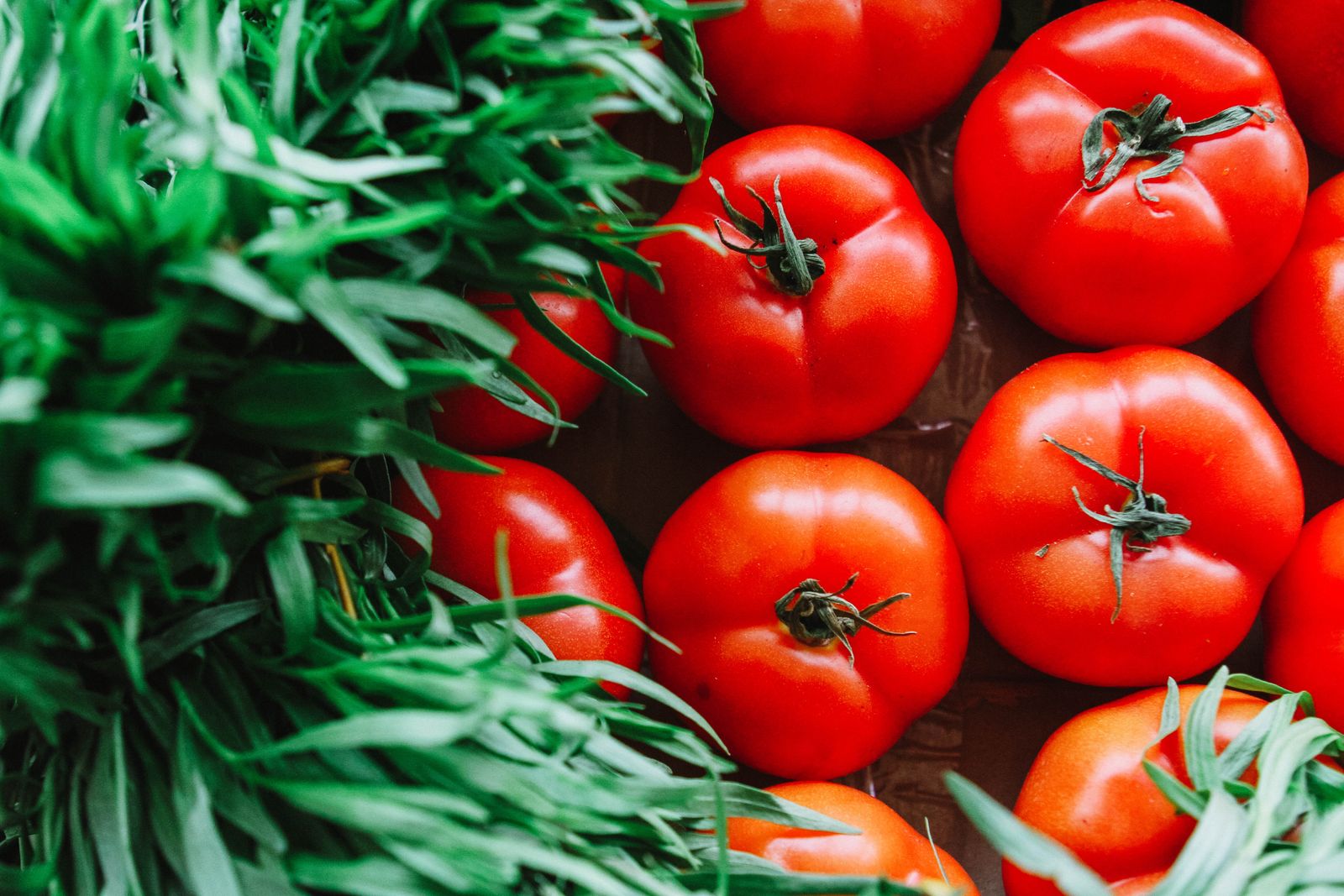
The Crucial Differences in Tomato Watering vs. Other Garden Plants
Tomatoes demand steadier moisture, deeper wetting, and wetter/drier cycles different from most flowers and many vegetables. Water placement, frequency, and method determine root depth, disease risk, and fruit quality.
Why Tomatoes Need Consistent and Deep Watering
Tomatoes develop fruiting tissues that require steady water to move calcium and other nutrients into the fruit; uneven moisture causes blossom end rot and misshapen fruit. You should aim to wet the soil to about 6–8 inches so roots grow downward instead of staying shallow near the surface.
Consistency matters more than daily small amounts. Deep but less frequent waterings encourage a stronger root system that tolerates short dry spells and heat. In sandy soils you’ll need more frequent deep watering than in clay or amended raised beds. Mulch reduces evaporation and helps maintain even moisture around the root zone.
Signs your watering is inconsistent include intermittent wilting, cracked fruit, or blossom-end rot. Measure moisture by poking a trowel or using a probe rather than guessing by plant appearance alone.
The Risks of Overwatering and Underwatering Tomatoes
Overwatering keeps roots oxygen-starved and promotes root rot; symptoms include yellowing lower leaves, stunted growth, and soggy stems. If you keep soil saturated you also increase fungal diseases because wet foliage and compacted soil let pathogens thrive.
Underwatering stresses plants during fruit set and ripening, causing small, bitter, or split tomatoes and increased blossom-end rot due to poor calcium translocation. Repeated cycles of drought then heavy watering cause nutrient leaching and irregular uptake, which shows as patchy ripening and blossom problems.
Balance reduces both risks: check soil moisture and avoid surface-only wetting that encourages shallow roots. If soil drains slowly, reduce frequency and increase duration; in fast-draining beds, water more often but still deeply.
Optimal Watering Methods: Drip Irrigation and Soaker Hoses
Drip irrigation and soaker hoses deliver water directly to the root zone while keeping leaves dry, cutting disease risk and saving water compared with overhead watering. Install drip lines near the base of each plant and run them under mulch for best efficiency.
Set drip systems on a timer for slow, deep cycles—e.g., 20–40 minutes depending on emitter flow and soil type—rather than short bursts that only wet the surface. Soaker hoses work similarly; lay them in loops close to stems and cover lightly with mulch to prevent evaporation.
Hand-watering with a wand or watering can works for few plants but keep the flow at the base and soak to the same 6–8 inch depth. Avoid frequent shallow watering; it causes shallow roots and increases vulnerability to drought and nutrient leaching.
Common Water-Related Tomato Problems and How to Prevent Them
Water management affects fruit quality, disease risk, nutrient uptake, and blossom development. Small changes—consistent soil moisture, correct irrigation method, and mulch—prevent most water-driven problems.
Blossom End Rot and Calcium Uptake Issues
Blossom end rot shows as a sunken, dark patch at the tomato’s blossom end. It results from localized calcium deficiency in the fruit, but the usual cause is uneven soil moisture that disrupts calcium movement, not lack of calcium in the soil.
Prevent it by keeping soil evenly moist. Water deeply and regularly so the top 6–8 inches stay consistently damp; avoid cycles of drought then heavy soaking. Mulch 2–3 inches around plants to slow evaporation and reduce surface temperature swings. Use drip irrigation or soaker hoses rather than overhead watering to target roots. If your soil pH is far from neutral, correct it—extreme pH limits calcium uptake. Apply a calcium amendment only when soil tests indicate low calcium; foliar calcium sprays are a short-term supplement, not a cure. Remove affected fruit to conserve plant energy.
Cracked and Splitting Tomatoes
Cracked fruit forms when rapid water uptake follows a dry spell; skin can split either radially or concentrically. Wide swings between drought and heavy watering, or heavy rains after a dry period, cause most cracking.
Prevent cracking by maintaining steady moisture with drip irrigation and mulch. If forecast calls for heavy rain after dry weather, water lightly in the days before to reduce the hygric shock to fruit. Choose crack-tolerant varieties if you regularly face uneven precipitation. Harvest when fruit reach mature green to avoid splitting on the vine during unpredictable rains. If cracks appear, harvest promptly; small cracks may heal but open cracks invite rot and pests.
Fungal Diseases: Early Blight, Late Blight, and Septoria Leaf Spot
Wet leaves and high humidity encourage foliar fungal diseases. Early blight produces concentric rings on older leaves and stems, septoria leaf spot makes small circular spots with pale centers, and late blight causes large brown lesions on leaves and fruit and can destroy plants quickly.
Reduce disease pressure by keeping foliage dry—use drip irrigation, water early in the day so any wet leaves dry quickly, and avoid overhead sprinkling at night. Space plants for good airflow and prune lower leaves to limit soil splash. Remove and destroy infected leaves; don’t compost heavily diseased material. Apply preventive fungicide treatments when conditions favor disease, using products labeled for tomatoes. Rotate crops and avoid planting tomatoes where potatoes or other solanaceous crops recently grew to reduce build-up of pathogens like Phytophthora and Pythium in soil. Consider raised beds with well-draining soil to keep roots healthy.
Poor Fruit Set and Other Growth Challenges
Irregular watering stresses plants and disrupts flower pollination and fruit development, causing blossom drop and poor fruit set. High daytime heat paired with inconsistent moisture makes pollen nonviable and reduces fruit set.
Keep soil moist and root-zone temperatures steady with mulch and consistent irrigation. Hand-pollinate or shake plants gently during cool, calm mornings if you notice few fruit set and temperatures are marginal for bees. Avoid excessive nitrogen late in the season; lush foliage from overfertilizing combined with water stress reduces flowers and fruit. Using compost or slow-release balanced fertilizer supports steady growth; avoid raw compost teas or untested manures that might introduce herbicide residues or pathogens. If poor set persists, check for viral symptoms or whitefly populations that can spread tomato yellow leaf curl and other viruses affecting fruiting.