

You probably stash fresh towels in a closed linen closet or cabinet because it feels tidy and convenient. But putting even slightly damp towels into that confined space traps moisture and gives mildew everything it needs to grow, so the smell shows up fast. Keep towels completely dry before you fold and store them to prevent musty odors and mold growth.
This post will explain why towels pick up that sour smell, how your drying and washing habits make it worse, and easy changes you can make to stop it. You’ll learn practical steps for drying, laundering, and storing towels so they stay fresh between uses.

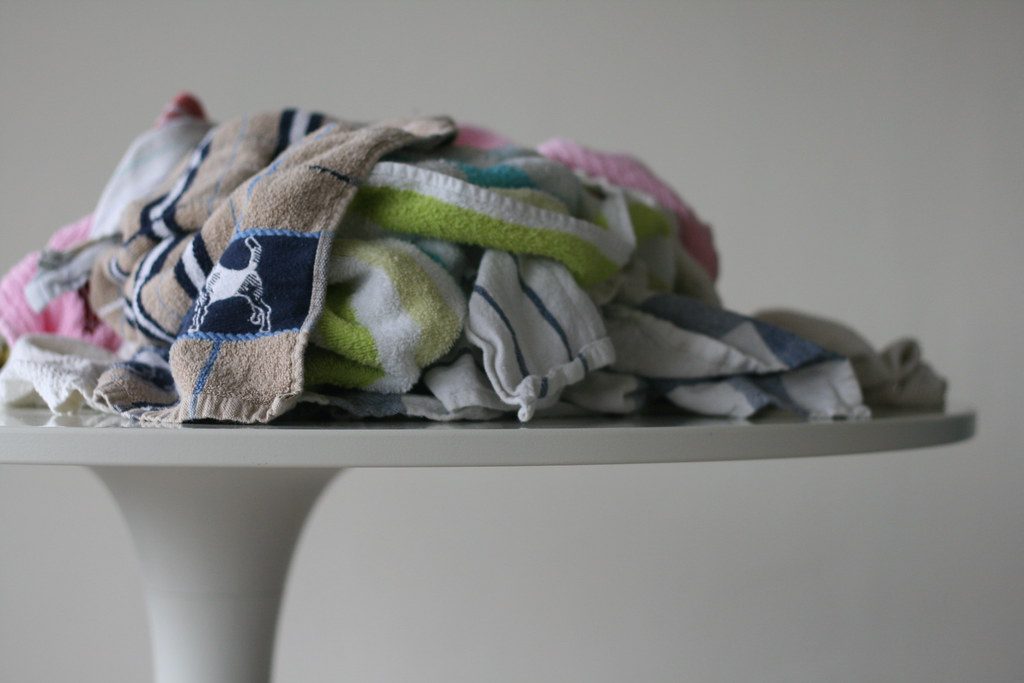
Why Towels Develop a Musty Smell
Towels trap water in their fibers and can hold detergent or skin oils that feed microbial growth. When they don’t dry quickly or sit in a humid space, bacteria and mildew multiply and produce that damp, musty towel smell you notice.
The Role of Moisture and Poor Ventilation
When you hang a towel in a cramped, humid spot it can stay damp for hours or days. Terry cloth loops absorb lots of water, and without airflow those fibers remain wet enough for mold and bacteria to grow.
Bathrooms without exhaust fans or with the door closed increase ambient humidity. Even clean towels put back into a humid linen closet will reabsorb moisture from the air and develop a musty odor over time. Sunlight and moving air both help evaporate trapped water; their absence speeds up mildew formation.
Common Triggers for Mildew and Odors
Leaving towels balled up in a hamper or on the floor creates dark, moist pockets ideal for fungal growth. Overloading the washer prevents effective rinsing, leaving detergent residue that traps moisture and feeds microbes.
Using fabric softener reduces absorbency and encourages buildup. Storing towels before they’re fully dry, washing infrequently, and keeping them in a damp cabinet are the main, repeatable mistakes that lead to a persistent musty towel smell. Regular deep cleans using baking soda, white vinegar, or oxygen bleach can remove buildup and reduce odors; experts recommend doing this monthly for frequently used towels (see how to avoid mildew in towels for more tips: https://towelpicks.com/how-to-avoid-mildew-in-towels/).
Health Risks of Reusing Musty Towels
Using a towel with a persistent musty smell exposes your skin to higher levels of bacteria and fungal spores. For people with eczema, acne, or compromised immunity, this can worsen irritation or cause minor skin infections.
Inhaling spores from moldy towels can irritate mucous membranes and trigger allergy symptoms in sensitive individuals. Even if immediate infection is unlikely for healthy adults, repeated use transfers microbes across your skin and can prolong healing of minor cuts or rashes. Replace or sanitize any towel that smells strongly musty rather than relying on a quick rinse.
Best Practices for Storing and Washing Towels
Keep towels fully dry between uses, store them in a well-ventilated place, and clean both towels and the washing machine regularly to avoid musty odors and mildew.
Proper Towel Storage to Prevent Mildew
Store towels folded loosely on open shelving or hung on horizontal bars so air circulates around each towel. Avoid folding damp towels into a linen closet; that traps moisture and encourages mildew growth. If you must use a closed cabinet, leave the door ajar or add a small moisture-absorbing packet (silica gel or baking soda sachet) to reduce humidity.
Organize by frequency of use: keep daily towels where they dry fastest and reserve deep shelves for spare sets that stay dry. Don’t overcrowd shelves — allow at least one inch of space between stacks for airflow. For travel or seasonal storage, put fully dry towels in breathable cotton bags rather than plastic bins.
Essential Steps for Thorough Drying
Shake and spread towels out immediately after use to loosen fibers and speed evaporation. Hang each towel on a wide, horizontal bar or over two hooks so the surface area exposes to air; avoid bunched-up door hooks. Turn on the bathroom exhaust fan or open a window while towels dry to lower humidity.
If you machine-dry, set medium-high heat and avoid dryer sheets, which leave a coating that reduces absorbency. Add wool dryer balls to separate layers and shorten drying time. For thick or high-pile towels, run an extra spin cycle in the washer to remove more water before drying.
Benefits of Heated Towel Racks and Airflow Solutions
A heated towel rack reduces drying time and keeps towels warm, which cuts mildew risk by lowering the amount of time towels stay damp. Choose a wall-mounted rack with horizontal bars spaced at least 2–3 inches apart to maximize airflow and drying surface. Hardwired or plug-in models work; prioritize racks with consistent, moderate heat rather than high heat that can damage fibers.
Supplement racks with room ventilation: an exhaust fan with a timer or a small dehumidifier in the bathroom prevents condensation buildup. Even simple changes—moving towel storage away from showers or installing a vented linen closet—improve airflow and slow microbial growth.
Cleaning Tips for Fresher Towels and Washing Machines
Wash towels every 3–4 uses for bath towels and after each use for beach towels. Use hot water when fabric care allows (check labels) and a measured, phosphate-free detergent to remove oils and grime. Skip fabric softener and dryer sheets; instead, add 1/2 cup white vinegar to the rinse cycle once a month to remove residue and restore absorbency.
Keep your washer clean: run a monthly empty cycle at high temperature with a washing machine cleaner or 2 cups white vinegar plus 1/4 cup baking soda to dissolve soap scum and kill odor-causing bacteria. After each wash, leave the door and detergent drawer open to air the drum. Wipe seals and gasket folds weekly to remove trapped moisture and grime.