


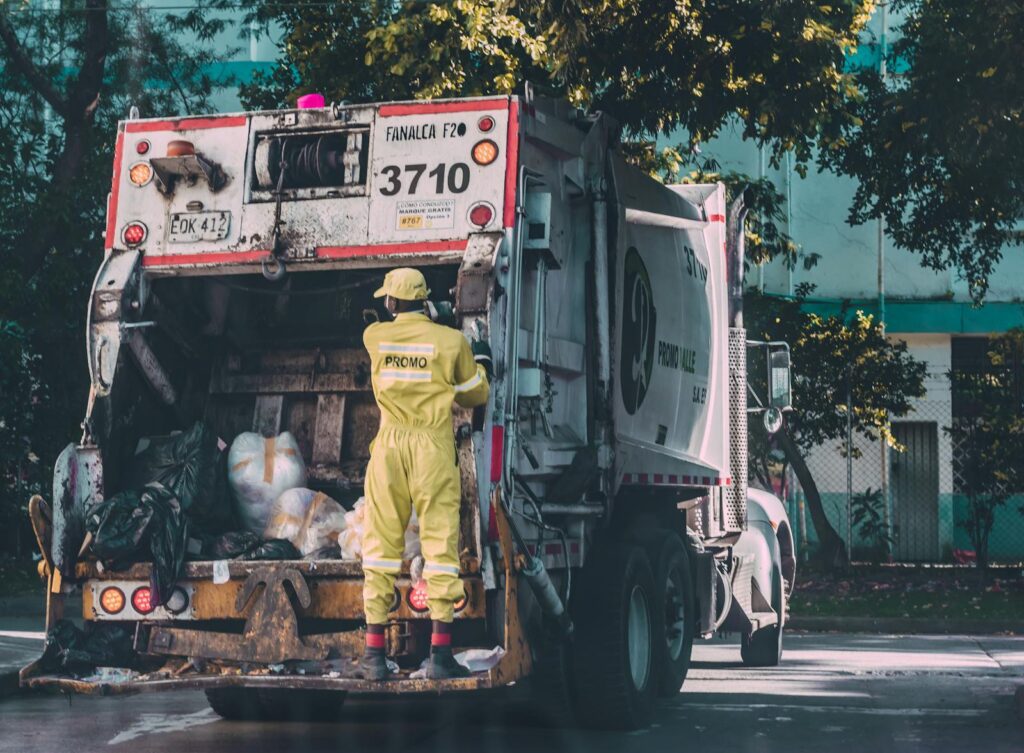
They wake up to scheduled trash day and find their cans unemptied, with no clear notice from the hauler. That disruption wastes time, creates mess, and raises real questions about billing and communication when pickups vanish without explanation. If your service missed a collection, confirm the schedule with your provider, document the missed pickup, and report it promptly to get a same-week make-up or a clear timeline for resolution.
Unclear updates and repeated errors leave people scrambling to secure overflowing bins or pay for extra pickups. The article explains common causes, what to expect from municipalities and private companies, and practical steps to prevent future missed pickups so they can stop worrying about trash day.

Trash Collection Errors and Their Impact on Homeowners
Errors in routing, scheduling, or communication can leave trash at the curb for days, force extra time spent calling providers, and create health or pest concerns for homeowners. The subsections below explain why missed pickups happen, how wrong calendars cause overflow, and what to expect when dealing with local waste management teams.
Missed Trash Pickups and Confusing Service Updates
Missed trash pickup often shows up as a single bin still on the curb after collection day. Residents notice the truck passed their street but skipped their address, or they receive an automated alert saying “service completed” with no pickup.
When a waste management company changes routes without clear notice, homeowners get conflicting calendars or emails. That confusion increases calls to municipal offices and slows resolution. People report delays in getting a next-day pick up or a credit, and sometimes streets go two or three days without service.
Practical steps that help immediately: check the provider’s online localized schedule, photograph the bin at the curb, and save any automated messages. Those items make it easier to prove a missed garbage pickup when filing a complaint.
Common Causes of Missed Pickups
Missed pickups result from a handful of consistent problems. Early-route shifts mean trucks run before expected; overfilled or unbagged cans can be bypassed; and blocked access — parked cars or snow — stops mechanical arms from reaching the bin.
Administrative mistakes also occur. Misclassified properties, billing errors, or an incorrect start date after signup can pause service without clear notice. Human error during route mapping causes certain addresses to be assigned the wrong day.
Weather and safety concerns play a role too. Heavy storms, flooded roads, and icy streets prompt drivers to skip routes. When that happens, providers usually post alerts, but homeowners don’t always see them.
How Incorrect Schedules Lead to Overflowing Bins
Wrong calendars and inconsistent pickup days create fast buildups at the curb. If a homeowner expects weekly pickup but their block shifts to biweekly, trash volume doubles and bins overflow within a few collection cycles.
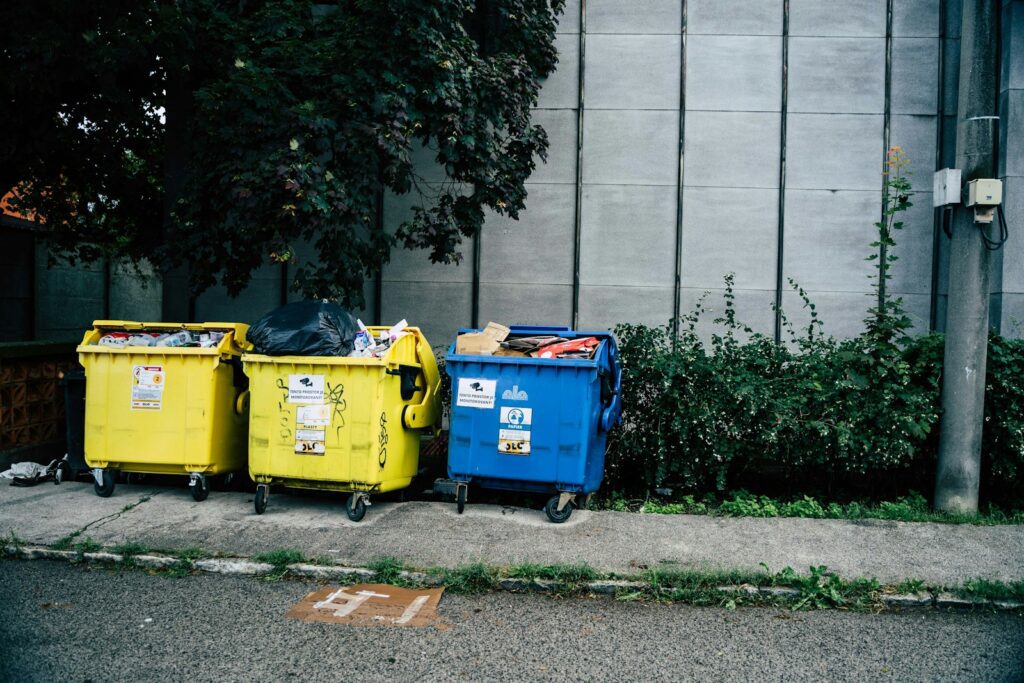
Overflowing trash bins attract pests, produce odors, and create litter in public spaces. Neighbors may place extra bags beside cans, which many waste management companies won’t remove during routine pickups. That forces homeowners to pay for special pickups or dumpster rentals.
To avoid overflow, homeowners should confirm their route online, subscribe to provider alerts, and use temporary measures like sealed yard-waste bags or secure outdoor storage until collection resumes.
Dealing with Local Waste Management Communication Issues
When communication breaks down, persistence matters. Homeowners should first check the municipality’s or hauler’s localized calendar online and keep a record of missed pickup dates. If online info conflicts with printed calendars, prioritize the localized digital schedule and save screenshots.
Next, contact customer service by phone and follow up with email or a portal ticket that references the date, address, and photos. If the waste management company does not respond within two business days, escalate to the county or city public works department and provide the same documentation.
For recurring problems, attend a local council or HOA meeting to request route clarification and demand better automated alerts. Linking to the county’s corrected calendar can help neighbors find the right schedule quickly (see Baltimore County’s corrected collection calendar).
Preventing Missed Trash Pickups and Resolving Issues
Clear, practical steps reduce missed pickups and make follow-up faster. They cover how to place bins for collection, what to do with prohibited or hazardous items, and short-term disposal options when service fails.
Correct Bin Placement and Accessibility
Place bins at the curb with wheels facing the street and lids closed by 6:30 a.m. on collection day. Keep containers at least 3 feet away from parked cars, mailboxes, shrubs, or other bins so automated arms and crews can access them.
Make the path to the curb level and free of ice, gravel, or debris. If a driveway slope or gate blocks access, move the bin to a clearly visible, accessible spot before pickup day. Label bins with the house number and secure lids with bungee cords if animals are an issue.
Confirm size and weight limits with the local sanitation department to avoid rejection. If bins are consistently overweight, split refuse into additional bags, use recycling and composting to reduce volume, or request a larger container from waste management services.
Handling Prohibited and Hazardous Waste
Household hazardous waste (HHW) like paint, motor oil, batteries, pesticides, and electronics can’t go in regular bins. Check municipal guidelines for HHW drop-off events or permanent collection sites; many towns publish schedules online or via email alerts.
Contain liquids in sealed, labeled containers and never mix chemicals. For batteries and electronics, use designated recycling programs or retailers that accept them. If unsure, call the local sanitation department before collection day to avoid fines or missed pickup due to a rejected load.
For sharps or medical waste, use approved disposal kits or pharmacy take-back programs. Document any special removal requests and follow instructions from hazardous waste coordinators to ensure safe handling and pickup.
Alternative Disposal Solutions and Next Steps
If pickup is missed, first contact the waste management company or municipal hotline and provide your address, collection day, and a photo of the bin. Many services will schedule a same-day return or place a priority ticket; note the ticket number and expected timeframe.
Short-term options include placing a small amount in community dumpsters (with permission), asking a neighbor to include excess with theirs, or renting a temporary dumpster for larger cleanups. Compare local dumpster rental rates and permit needs before placing one on the street.
For repeated service problems, file formal complaints with the sanitation department and keep records of missed dates, correspondence, and photos. They may adjust routes, provide different pickup instructions, or offer service credits through waste management services. Consider increasing recycling and composting to lower household volume and reduce reliance on extra pickups.
More from Decluttering Mom: