

A tree branch from a neighbor’s yard knocked out power for several homes, and the aftermath quickly turned bizarre. One neighbor found himself facing accusations that his earlier maintenance of a nearby tree somehow led to this unexpected power outage. It was unsettling to realize that while he was simply trying to keep things tidy, he was now being blamed for something completely out of his control.
The trouble began when a recent storm caused a branch from a tree on a neighboring property to snap and take down some power lines. The fallen branch landed on the neighbor’s yard, leaving several houses, including his, without power. When tree removal crews arrived to clean up the mess, things took a strange turn. Neighbors approached the workers with a theory: the neighbor’s decision to trim lower branches months earlier had led to the tree’s deterioration and eventual failure.

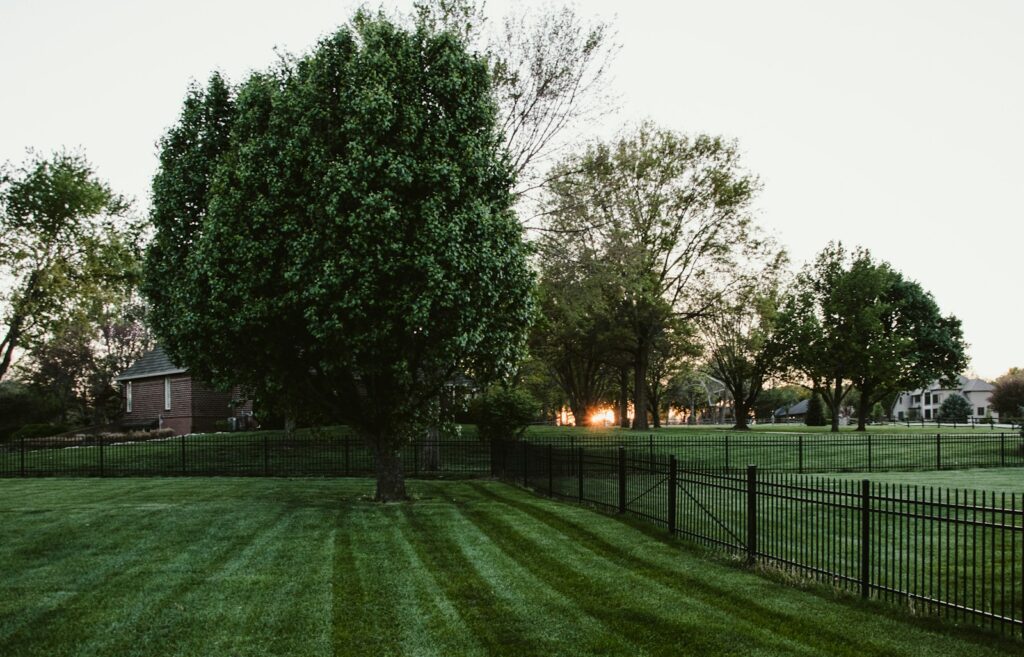
This theory, as it turned out, had no basis in reality. The neighbor took care to maintain the tree’s health for the safety of all involved. The idea that his proactive steps were to blame seemed illogical. Yet, a few neighbors, who predominantly worked from home, wasted no time sharing their newfound narrative that the homeowner’s earlier pruning was the root cause of the disaster.
People had very different reactions to the unfolding drama. Some sympathized with the neighbor, recognizing that blaming him for the incident made little sense. They pointed out that trees can be unpredictable, especially during severe weather. Others, however, seemed to take the neighbors’ word at face value, digging in their heels about the tree’s supposed decay being linked to the earlier trimming.
As the neighbor stood there, listening to theories swirl around him, it became clear that many weren’t interested in facts. Instead, they were eager to find a scapegoat and pin the blame on someone, even if the reasoning was tenuous at best. Hearing these accusations after he had tried to act responsibly felt frustrating. It was unsettling how quickly some neighbors jumped to conclusions, placing blame where it didn’t belong.
Others pointed out that the tree’s condition could have been affected by many factors outside anyone’s control, like weather conditions or root health. Trees are living things, and their outcomes can be unpredictable. But these observations didn’t seem to deter the chatter among neighbors; instead, they continued to spin their own narratives.
In a tight-knit community where everyone is close, gossip can spread quickly and easily. The neighbor realized that he might be facing more than just a power outage; he might also have to deal with lingering misunderstandings among neighbors. What should have been a straightforward cleanup of a fallen branch morphed into a puzzling blame game that could strain neighborly relationships.
The situation left many wondering how people can jump to conclusions based on assumptions rather than facts. The neighbor’s attempts to act responsibly were being twisted into a story that shifted the focus away from the real issue — a natural event causing the power outage. Was it really fair to place the blame on him for taking care of a tree that simply had a bad day?
As the days passed and power was restored, the neighbor contemplated how he would address the situation with those who seemed intent on blaming him. Would reaching out be worth it, or would that only fuel further rumors? How does one navigate a community that thrives on speculation rather than understanding?
More from Decluttering Mom: