

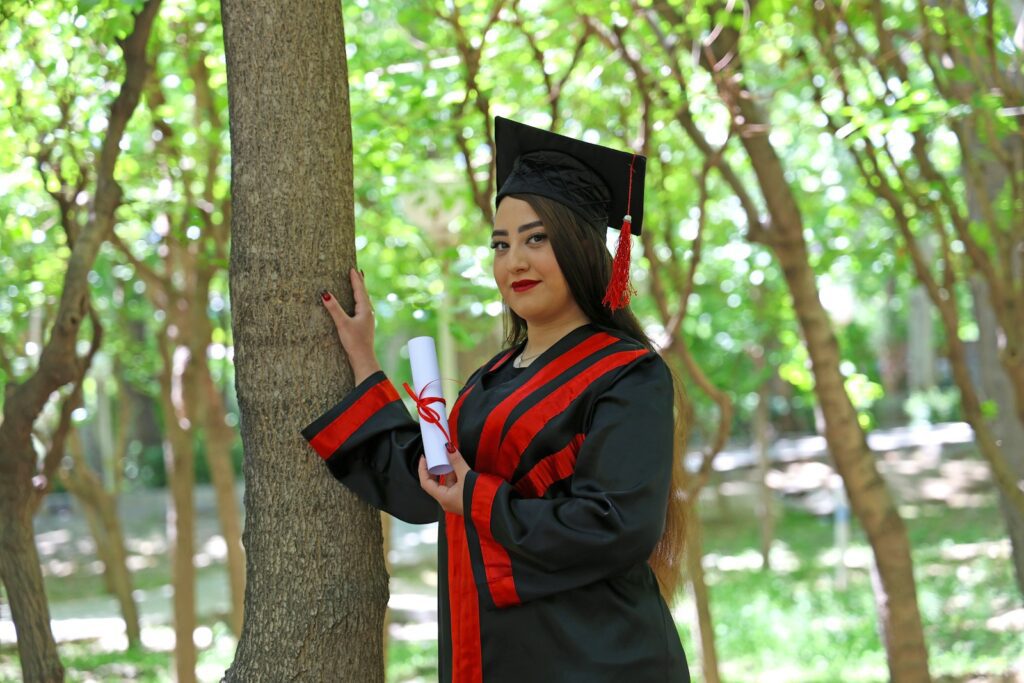
A 23-year-old woman found herself in a complicated situation when planning her graduation celebration. With limited tickets available, she faced a dilemma that many might find hard to navigate: whether to invite her estranged father, who she hasn’t seen in years. This was not just any father; this particular man had walked out on the family a decade ago, leaving behind a trail of resentment and hurt.
As preparations began, the young woman had made it clear that her primary guests would be her mother and two sisters. Her father, who had re-emerged in their lives seemingly to secure his retirement benefits, was not part of the plan. His absences and perceived negligence were fresh in her mind, making the thought of inviting him uncomfortable. She expressed her reluctance to have him at her graduation, stating explicitly that she didn’t want to deal with him on what should be a joyous day.

Despite her feelings, the family dynamics created tension. The mother and siblings pressured her to reconsider her stance, suggesting that if she did not invite their father, they would forfeit their tickets to him instead. This led to a confrontation, where emotions ran high. The young woman found herself in tears, asserting her right to choose who attended her graduation. Instead of backing down, her family insisted that if she didn’t extend the invitation, they would not attend either.
The mother’s religious beliefs complicated the situation further. She expressed concern that not reconciling with the father might lead to divine judgment on their family, which added another layer of pressure for the young woman. It appeared that the family held a belief that inviting him might mend broken fences, despite the painful history.
People had very different reactions to this family drama when shared on Reddit. Some users supported the young woman, reinforcing her right to select her guests. They argued that she shouldn’t have to compromise her comfort for someone who had caused so much pain. Others thought her family was wrong to prioritize the father over her wishes. They pointed out that the emotional weight of inviting someone who had been a poor parent was too much for any celebration.
Some even speculated that her family might be bluffing about not attending if he wasn’t invited. They suggested she ignore their threats and hold her ground. Yet, there were those who sympathized with the mother’s perspective, believing her desire for family unity, especially in a religious context, was valid. These commentators highlighted the complexities of family loyalty and forgiveness that often blur the lines in such situations.
With her family firmly divided, the young woman felt cornered. She loved her mother and siblings and wanted them to celebrate with her. But the thought of including her father filled her with dread. She felt as if she had to choose between her past and her future on what should have been a day filled with pride and joy.
This all left her grappling with difficult questions. Was it really worth sacrificing her happiness to keep the peace in the family? Would she regret not having a relationship with her father in the years to come? The discomfort of the situation hung in the air, and the resolution seemed far from clear.
Ultimately, the decision weighed heavily on her. The young woman was caught in a situation where no choice felt like the right one. With her graduation on the horizon, she needed to consider the implications of her choice, not just for herself, but for her family as a whole. A lasting impact was bound to emerge from this conflict, regardless of whether she chose to invite her father or not.
More from Decluttering Mom: