


Two teenagers lost their lives in storm-fueled sledding accidents in different parts of the country, turning what should have been snow-day fun into a pair of devastating stories. Both crashes unfolded as Winter Storm Fern pushed dangerous weather across multiple states, piling fresh powder on streets and fields that were never designed to be playgrounds. Together, the incidents highlight how quickly a familiar winter ritual can turn deadly when speed, ice and vehicles collide.
Investigators in each state are still piecing together the exact sequences of events, but the broad outlines are already clear enough to rattle parents and first responders. A 16-year-old girl in Texas died after a sled being towed by a vehicle slammed into a curb and then a tree, while another teen in a separate state was killed in a different sledding crash tied to the same sprawling storm system. Families, classmates and entire communities are now left trying to process how a simple ride in the snow could end in tragedy.
The storm behind the tragedies

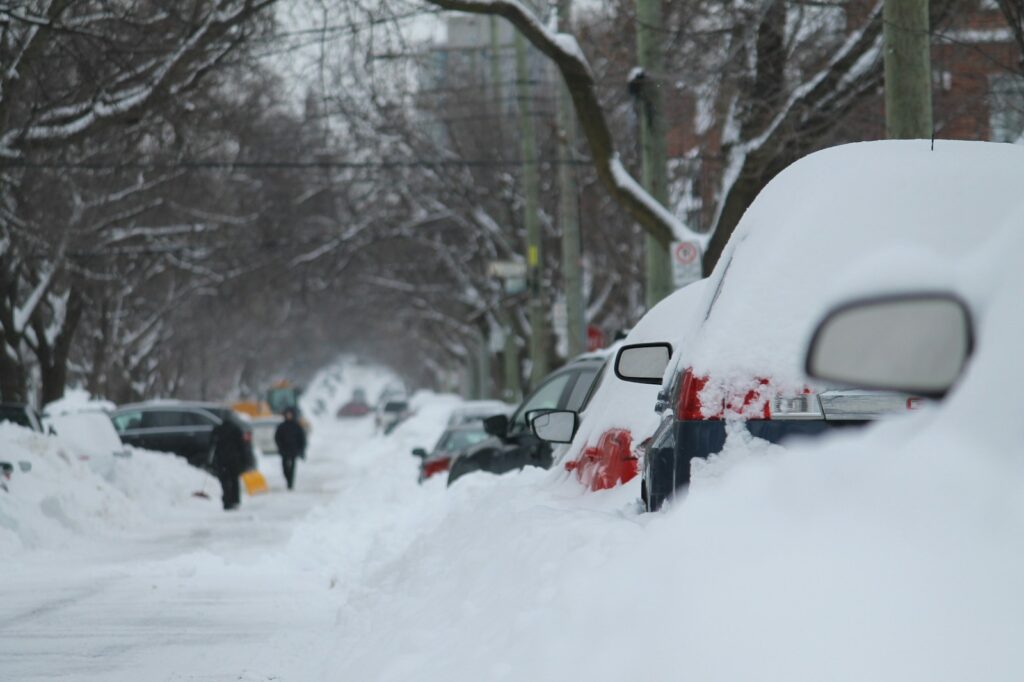
Winter Storm Fern did not just dust neighborhoods with postcard snow, it carved a deadly path across the country and left at least 18 people dead in its wake. Among those victims were the two teenagers whose sledding plans intersected with icy roads, limited visibility and the kind of unpredictable conditions that come with a powerful winter system. The storm’s reach stretched across multiple regions, turning everyday routines into risky ventures and making even short trips outside a calculated gamble, according to reporting that tallied at least 18 deaths.
Reporter Patrick Reilly detailed how Fern’s mix of snow, ice and brutal wind created the backdrop for a string of crashes, exposure cases and storm-related emergencies. In that broader list of casualties, the two sledding deaths stand out because they began as deliberate attempts to enjoy the weather rather than simply endure it. The same drifts that shut down roads and schools also tempted teenagers to improvise new ways to have fun, and in both fatal cases, the storm’s power outmatched their safety margins.
How the Texas sled-towing crash unfolded
In Texas, the fatal sledding accident started with what looked like a creative workaround in a state that is better known for heat than heavy snow. Police say two 16-year-old girls were riding on a sled that was being towed behind a vehicle when things went catastrophically wrong. Witnesses later told officers that the sled hit a curb, then careened into a tree with enough force to leave both teenagers badly hurt, a sequence that investigators described after interviewing the witnesses.
Both teens were rushed from the scene to a hospital, where one of the girls died from her injuries and the other remained in critical condition as officers continued their work. Local coverage identified the crash as part of the wider chaos tied to Winter Storm Fern and noted that the case is still under active investigation, with police examining how fast the vehicle was traveling and whether any charges might follow. Reporter Andrew Schnitker noted that officers are treating the sled-towing setup itself as a central factor, since the girls had no real protection once the sled left the roadway.
A second teen death in a separate sledding crash
While the Texas case has drawn intense attention, it was not the only sledding tragedy linked to Winter Storm Fern. In a separate incident in another state, a different teenager was killed in a storm-related sledding crash, adding another young victim to Fern’s already grim toll. Details of that second accident have not been fully spelled out in the available reporting, and the exact location and circumstances remain unverified based on available sources, but it has been counted among the storm’s fatalities alongside the Texas sled-towing death.
What is clear from the broader storm coverage is that Fern’s impact stretched across multiple states and that at least two of the 18 deaths involved teenagers on sleds rather than drivers in cars or people stranded outdoors. That pattern, flagged in the same reporting that tracked Fern’s overall casualty numbers, underscores how the storm’s dangers did not stop at highways or power lines. Even basic winter pastimes became high risk once the snow piled up on unfamiliar terrain and visibility dropped, a point that emerges in the summaries of Fern’s storm-related deaths.
Why sled-towing is so unforgiving
To anyone who has grown up in a snowy climate, the idea of hitching a sled to a truck or SUV might sound like a familiar, if questionable, winter hack. The Texas crash shows just how little margin for error that setup actually leaves. A sled has no brakes, no steering and almost no protection, so once it picks up speed behind a moving vehicle, any bump or turn can send riders flying. In the Texas case, the curb acted like a launch ramp, redirecting the sled into a tree and turning a neighborhood street into a deadly obstacle course, as described in the account that noted the girls hit a curb and then collided with a.
Investigators have already gathered what one broadcast described as an unusually large amount of evidence in just a few days, a sign of how seriously they are treating the mechanics of the crash and the choices that led up to it. In a segment about the case, a commentator noted that it was rare to see so much material compiled so quickly, a point made in a clip that highlighted how fast investigators compiled evidence. That level of scrutiny reflects a broader concern that sled-towing, which can look harmless on social media, is essentially a high-speed drag with no safety gear, especially on streets lined with curbs, mailboxes and trees.
Texas, snow and a culture not built for sleds
Part of what makes the Texas crash so jarring is that it happened in a state that is not culturally or physically built around snow. Residents of Texas are used to heat waves, thunderstorms and hurricanes, not the kind of sustained winter weather that invites sledding on every hill. When a rare storm like Fern rolls through, kids and teenagers often improvise with whatever gear and terrain they have, which can mean plastic sleds on streets, parking lots or drainage ditches instead of purpose-built hills with clear runouts.
That improvisation can be charming when it works and catastrophic when it does not. Neighborhoods that were designed around cars, with tight corners and hard landscaping, become unforgiving once they are coated in ice. In that context, the decision to tow a sled behind a vehicle is not just a risky stunt, it is a collision of car-centric infrastructure and a winter sport that assumes open space. The Texas crash, which unfolded on a city street rather than a ski slope, shows how quickly that mismatch can turn a snow day into an emergency call.
Inside the investigation and what police are weighing
Police in the Texas case have been careful not to rush to public conclusions, even as they confirm key details about what happened. They have said that both teenagers were 16 years old, that they were riding on a sled being pulled by a vehicle and that the sled struck a curb before hitting a tree, leaving one girl dead and the other critically injured. The driver’s role, including how fast the vehicle was moving and whether any alcohol or distraction was involved, remains under review, and officers have stressed that the case is still under active investigation, as noted in the coverage that said the crash remains under investigation.
Elsewhere, a separate broadcast segment on two teens killed in a sledding accident highlighted how quickly investigators can move when they have clear physical evidence, video and witness statements. Commentators in that piece remarked that it was unusual to see so much material assembled in just a couple of days, a comment that came in a discussion of how law enforcement handles high profile crashes involving young victims and was captured in a clip labeled with the name Mar. Together, those glimpses into the investigative process suggest that authorities are not treating these sledding deaths as freak accidents to be shrugged off, but as preventable tragedies that demand a closer look at behavior, infrastructure and weather.
What is known about the victims and their communities
The Texas crash centered on two 16-year-old girls whose names have not been widely shared in the available summaries, a reflection of both privacy concerns and the rawness of the loss. What has been reported is that one of the girls died at the hospital after the sled slammed into the tree, while the other remained in critical condition as of the latest updates. A brief social media post from Frisco Police referenced a 16-year-old girl who died and another 16-year-old who was critically injured after a sledding accident on a Sunday in Frisco, Texas, language that matches the basic outline of the Texas sled-towing crash and suggests that community’s officers were among those responding.
In the other storm-linked sledding death, details about the victim’s identity and hometown have not been fully spelled out in the reporting available here, which means much of that community’s grief is playing out offstage. What can be inferred from the way these cases are discussed is that both involved tight-knit local networks of classmates, neighbors and extended family who are now navigating vigils, counseling sessions and the awkward logistics that follow a sudden death. The fact that both victims were teenagers, with all the promise and unfinished plans that implies, has only deepened the sense of shock in the towns where they lived.
How families are rethinking “harmless” snow-day fun
For parents watching these stories unfold, the hardest part is that nothing about sledding feels inherently reckless at first glance. It is not drag racing or cliff diving, it is a plastic sled, a hill and a few inches of snow. Yet the combination of a powerful storm like Fern, improvised setups and hard urban infrastructure can turn that simple picture into something far more dangerous. The Texas crash, in particular, has prompted a wave of second guessing among families who might once have shrugged at the idea of kids being pulled behind a pickup for a few laps around the block.
Safety experts often warn that the most dangerous activities are the ones that feel familiar, because people underestimate the risks and skip basic precautions. In the wake of Fern, some communities are already talking about clearer rules around sled-towing, better communication from schools and police about safe sledding spots, and more direct conversations with teenagers about where the line sits between fun and reckless. The hope is that by treating these two teen deaths as wake-up calls rather than flukes, families can keep future snow days from ending in the same kind of heartbreak.
Lessons officials want riders to take into the next storm
Local officials and first responders rarely get to choose which tragedies become teachable moments, but the sledding deaths tied to Winter Storm Fern are already shaping how they talk about winter safety. Police in Texas have emphasized that using a vehicle to tow a sled on public streets is a recipe for disaster, especially when curbs, trees and parked cars are hidden under snow. Emergency managers looking at the broader storm have folded those warnings into a larger message about respecting road closures, avoiding unnecessary travel and recognizing that even short trips outside can carry hidden risks when a system as strong as Fern is in play.
More from Decluttering Mom: