


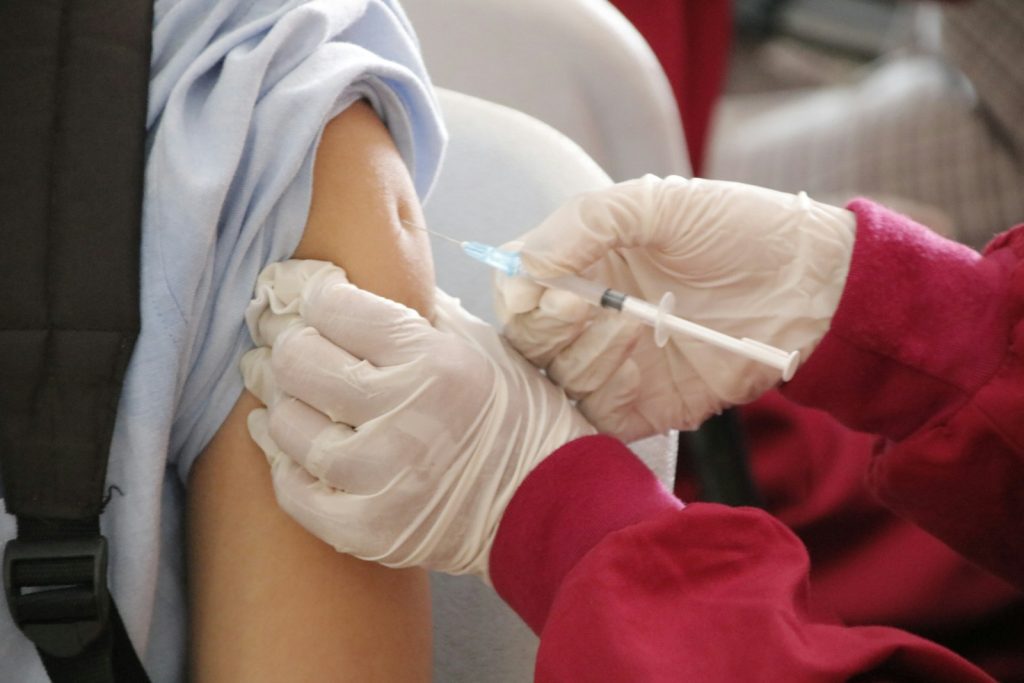
Parents across the country are waking up to a childhood vaccine schedule that looks very different from the one they have known for years. Federal health leaders have sharply reduced the number of shots they actively promote for every child and reorganized the rest into new categories that lean more on individual decisions with doctors. For families, the change raises urgent questions about what protection kids will still get automatically, what now requires extra effort, and how to navigate the politics swirling around the science.


The stakes are high. Vaccines have long been one of the most effective tools for keeping children out of hospitals, yet the new framework arrives at a time of pandemic fatigue, rising misinformation, and deep mistrust of institutions. Understanding what has changed, who made the call, and how it affects your child’s actual appointments is now essential homework for any parent or caregiver.
What exactly changed in the new schedule
The U.S. Department of Health and Human Services, often shortened to the Department of Health and Human Services, has approved a sweeping redesign of the routine immunization roadmap for children and adolescents. Instead of a long list of shots that every child is expected to receive on a fixed timetable, the federal blueprint now trims the core list and sorts vaccines into three distinct groups that determine how strongly they are promoted. Reporting by Sara Moniuszko for USA TODAY explains that the official guidance now walks parents through three types of vaccines, a structure meant to clarify which shots are considered essential and which are more conditional for your kids.
Under the new framework, spelled out in a formal decision memo, measles, mumps, rubella, diphtheria, tetanus, pertussis, polio, Hib, pneumococcal disease, HPV and several other long standing shots remain in a top tier of routine recommendations, while a second tier is based on shared clinical decision making and a third is reserved for special circumstances. The memo explicitly states, “Under the new framework, measles, mumps, rubella, diphtheria, tetanus, pertussis, polio, Hib, pneumococcal disease, HPV” and other vaccines are grouped according to how strongly federal officials want clinicians to promote them, which you can see in detail in the document titled Under the.
How many shots were cut, and why that matters
One of the most striking shifts is the sheer reduction in the number of vaccines that federal officials now actively recommend for every child. Earlier guidance encouraged a broad slate of immunizations as universal, but the revised schedule pares that down, a move that supporters frame as simplifying choices and critics see as a retreat from proven protections. Coverage of the new recommendations notes that the updated schedule now envisions 11 shots in early childhood instead of a more sprawling list, with reporter Helen Branswell detailing how the new vaccine schedule consolidates doses and, in some cases, moves from two shots to a single vaccine as opposed to two separate injections.
Federal officials describe this as an “unprecedented overhaul” of the U.S. childhood vaccine schedule, arguing that a leaner core list will be easier for families to follow and more closely aligned with practices in some European countries. In announcing the change, Federal leaders said they are paring the number of vaccines that are strongly pushed for every child and drawing inspiration from the schedule used by Denmark, which they present as a model of a more focused approach.
The new three tier system parents have to navigate
For you as a parent, the most practical change is the move to a three tier system that determines how strongly each vaccine is promoted. Instead of being universally recommended for almost all children at certain age cut offs, vaccines are now split into those that remain routine for everyone, those that depend on shared clinical decision making, and those reserved for specific high risk situations. As one detailed explanation puts it, instead of a single universal list, the Centers for Disease Control and Prevention has reorganized the schedule so that some vaccines are now framed as options to be weighed in conversation with a health care provider rather than automatic requirements, a shift described in depth in a report that begins, “Instead of being universally recommended for almost all children at certain age cut offs, vaccines are now split into” categories based on shared clinical decision making.
This structure is not just bureaucratic language, it changes the tone of the exam room. In a televised discussion of what the overhaul of U.S. vaccine guidance means for public health, host Geoff Bennett underscored that, in a major departure from past practice, the CDC is now explicitly encouraging parents to talk through certain shots with a health care provider instead of treating them as default. That conversation driven model, explained in the segment titled What the, is meant to personalize care but also risks widening gaps if families lack time, access, or trust to have those nuanced discussions.
Which vaccines moved into the “decision with your doctor” bucket
The most politically charged part of the overhaul is the list of vaccines that have been downgraded from universal recommendations into the shared decision making category. Vaccines impacted include COVID 19, influenza, Hepatitis A and B, meaning that shots that once sat squarely in the “every child should get this” column are now framed as choices to be weighed based on individual risk and preference. A breakdown of the policy notes that Vaccines impacted include COVID 19, influenza, Hepatitis A and B, and that the new schedule explicitly groups the vaccines into three groups, with COVID and flu now in the middle tier that depends heavily on what you and your pediatrician decide together.
For many families, that will feel like a step back from the urgency that surrounded these shots earlier in the pandemic era. A separate explainer aimed at parents, headlined with the reassurance “Here’s what it means for your kids,” emphasizes that you can still choose these vaccines even if they are no longer pushed as hard by federal guidance. It notes that Can you still get these vaccines for your kids is a central question, and answers that Insurance providers will continue covering immunizations that fall into the shared decision making category, since they remain recommended by providers, not an outright recommendation, as detailed in the piece available at Can.
What stays the same, from measles to pneumococcal shots
Not everything is changing, and that continuity matters for your child’s protection. Core childhood vaccines against long controlled diseases such as measles, mumps, rubella, diphtheria, tetanus, pertussis, polio, Hib and pneumococcal disease remain firmly in the top tier of routine recommendations. Federal summaries stress that these shots are still considered non negotiable for broad public health, and that the new framework is designed to preserve high coverage for these illnesses even as other vaccines move into more flexible categories, a point spelled out in the official memo that lists Hib and pneumococcal disease alongside HPV in the strongest recommendation group.
Local explainers echo that message, reassuring parents that the backbone of the schedule is intact. One overview of the unprecedented changes to child vaccine recommendations notes that Here, federal vaccine recommendations stayed the same for key shots like the PCV or pneumococcal conjugate vaccine, underscoring that the protections that have kept bacterial pneumonia and meningitis at bay for a generation are not being scaled back. That reassurance is laid out in a report that emphasizes which vaccines remain unchanged, including the PCV or pneumococcal conjugate vaccine, and can be seen in more detail at Here.
Who made the call, from HHS to CDC and the Trump administration
Understanding who is behind the new schedule helps explain both the content and the controversy. HHS, often referred to in official documents simply as HHS, announced the overhaul in coordination with the Centers for Disease Control and Prevention, which is responsible for the technical details of the immunization schedule. In a formal statement, HHS described the move as an unprecedented overhaul of the US childhood vaccine schedule, with Federal officials today announcing an unprecedented overhaul of the US childhood immunization schedule and highlighting that the effort was led by national health leaders including the current CDC director, Jim O’Neill, as described in the announcement available at Federal.
The Trump administration’s broader health agenda also shapes the context. A separate report on federal policy notes that Trump administration cuts number of vaccines it recommends for every child, describing how Health Jan 5, 2026 2:43 PM EST coverage from WASHINGTON detailed the decision to roll back the Hepatitis B vaccine at birth recommendation and reduce the overall number of shots promoted as universal. That account, which includes the precise figures and timing, is captured in a piece that highlights how the administration cut the number of vaccines it recommends for every child and can be read at Trump, which also notes the timestamp including the number 43 and the reference to EST.
How pediatric visits and insurance coverage will work now
For families, the next pressing question is what this means when you actually show up at the pediatrician’s office. The Centers for Disease Control and Prevention Jan update to the childhood vaccine schedule is being distributed to clinicians along with coding and billing guidance so that practices know which shots are still considered routine and which fall into the shared decision making category. An advisory to hospitals and clinics notes that The Centers for Disease Control and Prevention Jan 5 updated the childhood vaccine schedule and that the agency is working with insurers to clarify health coverage options for payment, a process described in more detail in the notice available at 35, which also includes the exact figure 35 in its timestamp.
On the insurance side, early indications suggest that most major plans will continue to cover vaccines that remain on the federal schedule, even if they are now categorized as shared decisions rather than blanket recommendations. A parent focused Q&A framed around the question “Can I still get these vaccines for my kids?” stresses that so far, the answer is yes, and that Insurance providers will continue covering immunizations that fall into the shared decision making category because they are still endorsed by providers, not an outright recommendation. That reassurance is spelled out in a piece that walks through what it means for your kids and can be accessed at Insurance.
Why officials say they did it, and what critics worry about
Federal leaders argue that the overhaul is about clarity, flexibility, and rebuilding trust. In their decision memo, they present the three tier framework as a way to distinguish long established, high benefit vaccines from newer or more situational shots, and to give parents more say in decisions that feel closer to personal risk tolerance. The Department of Health and Human Services frames the change as a response to public feedback and evolving evidence, with Sara Moniuszko reporting that the Department of Health and Human Services is positioning the revision as a way to guide parents through three types of vaccines without overwhelming them, a point she lays out in her explanation of what the new structure means for families at Sara Moniuszko.
Critics, however, warn that downgrading vaccines like COVID 19 and influenza from universal recommendations could send a signal that they are optional or less important, even though respiratory viruses still hospitalize and kill children each year. Local coverage that begins with the phrase Here’s what to know about the unprecedented changes to child vaccine recommendations notes that Here, WASHINGTON based health officials are already fielding questions from worried parents who fear that the new categories will widen disparities, since families with less access to pediatric care may be less likely to opt in to shared decision vaccines. That tension between flexibility and equity is captured in the explainer available at Here, which also notes that some of the groundwork for these changes was laid by a policy shift made in 2025.
How to talk with your child’s doctor and plan your next steps
In practical terms, your best move now is to treat upcoming well child visits as strategy sessions rather than quick box checking appointments. Before you go, it helps to review which vaccines your child has already received, which ones remain in the routine category, and which have moved into shared decision making so you can arrive with specific questions. A televised explainer on understanding CDC and HHS children vaccine recommendations suggests that parents ask directly about Vaccines impacted include COVID 19, influenza, Hepatitis A and B and how their child’s health history should shape choices, noting that the agencies have explicitly sorted the vaccines into three groups to prompt these conversations, a point you can see laid out in the segment at Vaccines, which also includes the words COVID and Hepatitis and the cue Close.
At the same time, it is worth remembering that the new schedule is still grounded in decades of data about what keeps children safe. Detailed coverage by Jan health reporter Helen Branswell notes that the new vaccine schedule is designed to maintain strong protection against diseases like measles and polio while consolidating some shots into fewer visits, for example by using a single combination vaccine as opposed to two separate injections. Her analysis, which walks through how the schedule now envisions 11 shots and how that compares with past practice, is available at Helen Branswell, and can serve as a useful reference as you weigh the benefits and trade offs with your child’s clinician.
More from Decluttering Mom: