Thirty-two percent of grandparents gave a grandchild under 18 direct financial help in the past year, and 90 percent regularly show up in some material way, whether that’s cash, groceries, or free babysitting, according to the University of Michigan’s National Poll on Healthy Aging. The poll, run out of the university’s Institute for Healthcare Policy and Innovation, surveyed 3,486 adults ages 50 to 94 in August 2024. What researchers found next is what makes the data worth a second look: the support isn’t running in just one direction, and grandparents are getting something back that shows up clearly in their own mental health numbers.

The Everyday Help Flowing From Grandparent to Grandchild
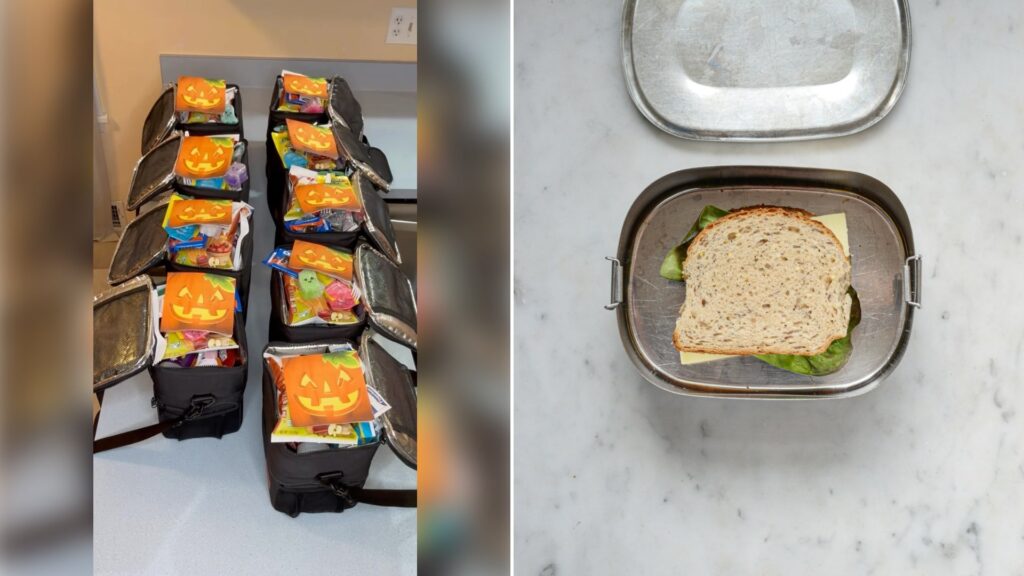
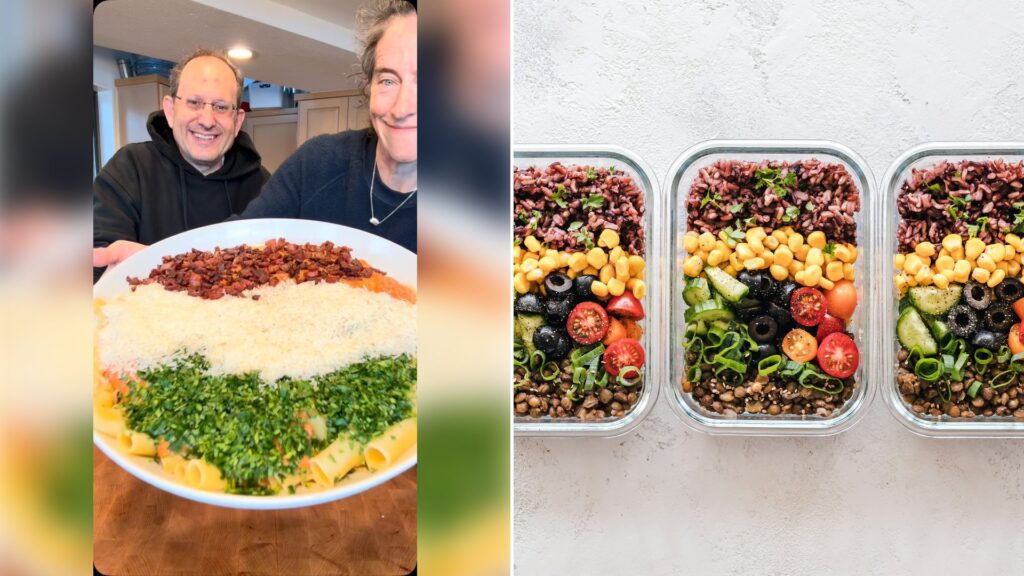
Twenty-three percent of grandparents in the poll helped with a grandchild’s day-to-day expenses over the past year, 10 percent paid for education costs, and another 10 percent covered bigger-ticket items like camps, sports, or daycare. Nearly half, 49 percent, provide childcare at least once every few months, 20 percent do it weekly, and 8 percent are in it almost daily. Food shows up constantly too: 61 percent shared a meal with a grandchild ages 1 to 17 in just the past month, 47 percent prepared food for them, and 36 percent baked or cooked alongside them. Kate Bauer, one of the researchers involved with the poll, noted that cooking together gives older adults a chance to pass along social and cultural connection, not just a meal.
Where the Reverse Direction Actually Shows Up
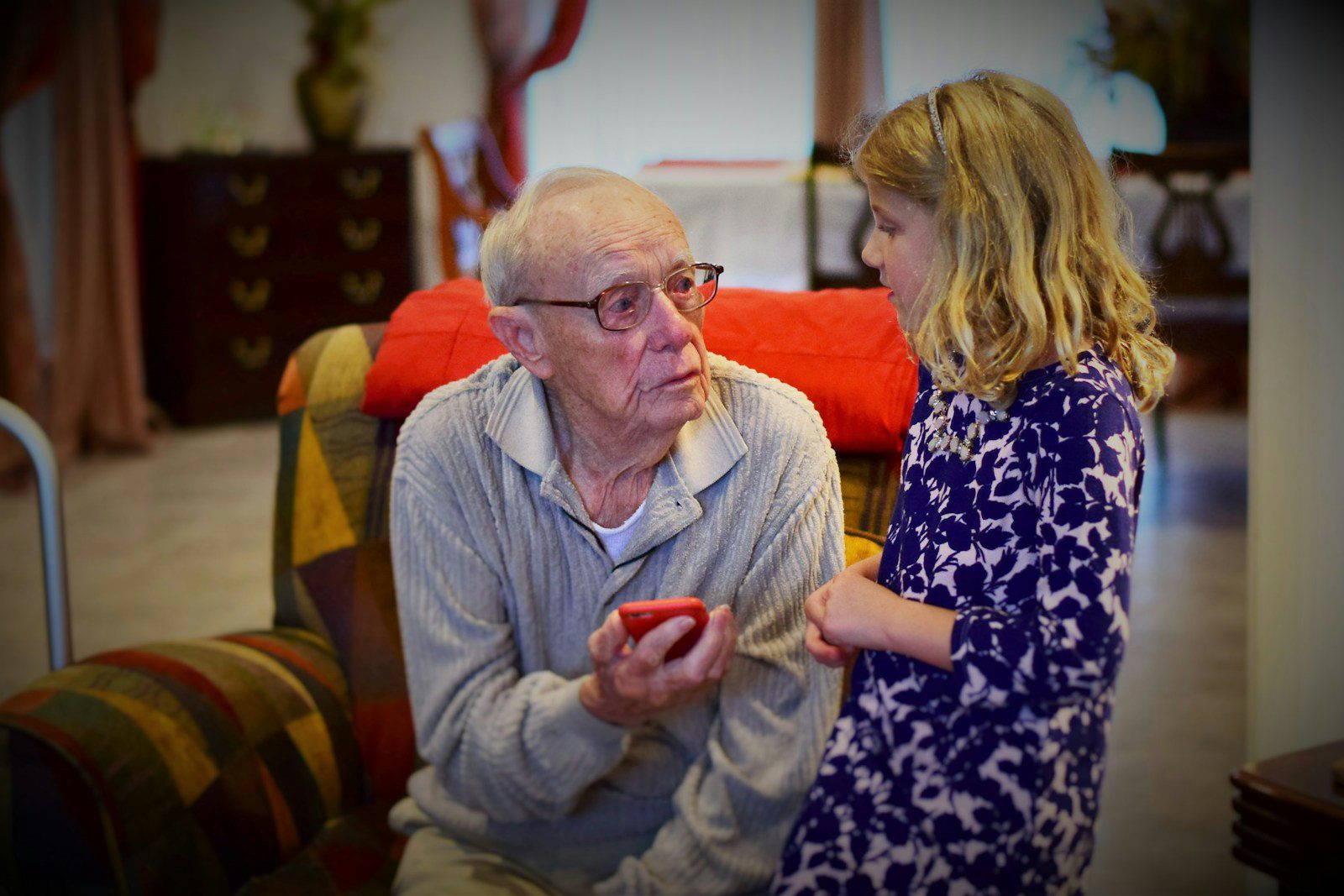
The headline finding isn’t that grandkids are handing money back or running errands, it’s that simply having grandchildren in their lives is doing something measurable for grandparents’ well-being. Seventy-two percent of grandparents with grandchildren said they hardly ever feel isolated, compared with 62 percent of those without grandchildren, according to a separate summary of the same poll published by the Massachusetts Healthy Aging Collaborative. Only 9 percent of grandparents with grandchildren reported fair or poor mental health, versus 13 percent of those without. That gap held up specifically because of the relationship itself, not because grandparents with grandchildren happened to be healthier or wealthier to begin with.
More Contact Means a Bigger Payoff
The frequency of contact tracked directly with how isolated grandparents felt. Among grandparents who see their grandchildren daily or nearly every day, 78 percent said they hardly ever feel isolated. That dropped to 73 percent for those who see grandchildren weekly to a couple times a month, and down to 65 percent among those who only see grandchildren every few months or less. Sixty percent of adults over 50 have at least one grandchild, and that share climbs to 76 percent among adults 65 and older, meaning this dynamic touches a large majority of older Americans, not a narrow slice of them.
When the Relationship Becomes the Household
For a smaller slice of families, this isn’t a weekend or after-school arrangement at all. Six percent of the grandparents surveyed live with at least one grandchild, and 3 percent have taken on primary custody or parental responsibility for a grandchild, per the same University of Michigan poll. Those households look nothing like the occasional-babysitting version of grandparenting most people picture, and they likely explain some of the heaviest end of the childcare numbers, the 8 percent providing near-daily care and the 20 percent doing it weekly. For those grandparents, the isolation and mental health benefits documented in the broader poll aren’t a bonus from occasional visits, they’re baked into daily life.
A Relationship That Pays Both Generations, Just Differently
Grandparents are writing checks, cooking dinners, and covering childcare hours their adult children couldn’t easily replace on their own. In return, grandchildren aren’t necessarily doing chores or running errands, but their presence alone is functioning as a documented buffer against loneliness and declining mental health for the older generation. That’s not a transaction either side is likely to tally consciously, which may be exactly why researchers had to go looking for it in poll data instead of hearing it described directly by families themselves.
The money and the meals move mostly one way, but the isolation numbers make clear that something real is moving back the other direction too, even if nobody in the family would think to call it a favor being returned.