



It all started with a sink full of dirty dishes. One mom, living in an older home without a dishwasher, faced a growing pile of pots, pans, and dinner plates at the end of each day. As she worked long hours from home, her husband, who had a physically demanding job and crazy hours, tried to keep up with the after-meal cleanup. But when he came home after a long shift to find the kitchen in disarray, frustration bubbled over. The tension was palpable.
Despite his efforts to keep the kitchen clean, their routine felt off-balance. He found himself waking up early, scrubbing dishes before heading off to work while his wife carried on with her work-from-home schedule. Yet each night, the sink seemed to refill with dirty dishes and half-empty beverage containers. This led him to question whether she was taking him for granted, expecting him to clean up after her. Each time he brought it up, she reacted defensively, launching into a list of her own contributions to their household. But he didn’t want to start a competition; he just wanted equal effort.

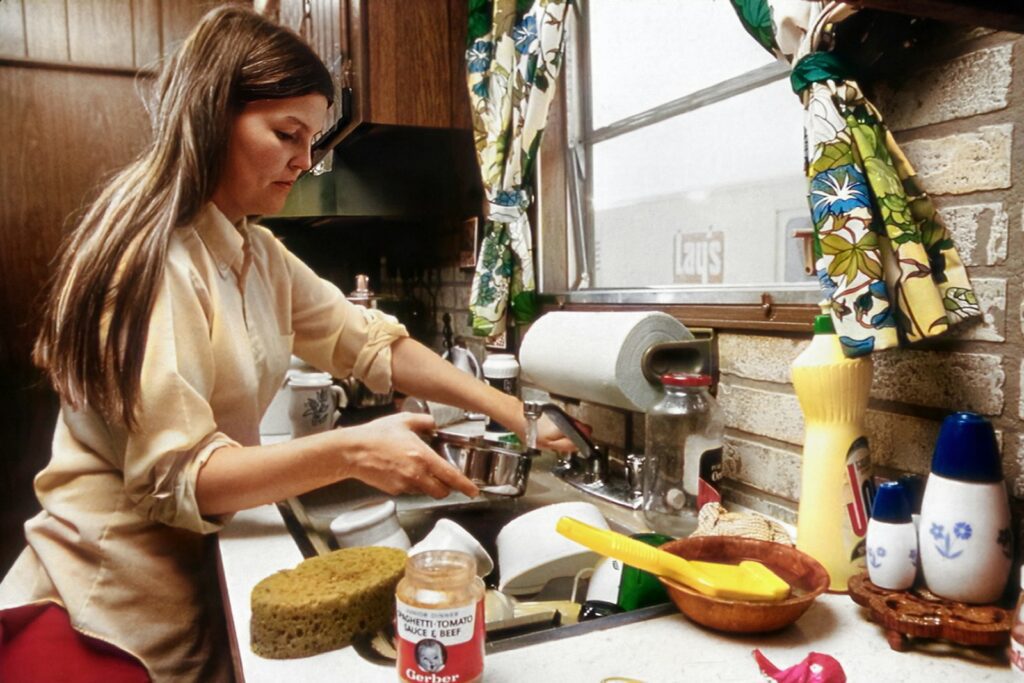
Many people on Reddit chimed in with their thoughts on this dispute. Some pointed out that household chores can easily become a point of contention in relationships, especially if both partners have different workloads. They emphasized how communication was key, suggesting that openly discussing expectations around chores might bring more clarity. Others mentioned how their own experiences echoed his, recalling moments where they struggled to find a balance in shared responsibilities.
However, not everyone was sympathetic to the husband’s plight. Some suggested he should simply let it go, arguing that he shouldn’t expect his wife to shoulder the same burden as he does, especially if her work is mentally taxing. They highlighted that working from home can be just as draining in its own way, implying that each had their unique challenges to contend with.
As the discussion progressed, it became clear that people’s backgrounds influenced their perspectives on the matter. For some, traditional gender roles were still significant, and they believed the mom should take on more household tasks. Others backed the idea of splitting tasks more equitably, regardless of who worked from where. This clash of viewpoints only fueled the debate, with users passionately defending their stances based on personal experiences.
The conversation continued to twist and turn as people weighed in on potential solutions. Suggestions ranged from creating a chore chart to having a monthly discussion about what’s working and what’s not. Some insisted that if one partner works long hours, the other should take on a larger share of home responsibilities, at least during those busy periods. Others cautioned against keeping score, insisting that teamwork rather than tallying efforts should be the focus.
With opinions flying back and forth, it was clear that no matter the side, everyone recognized the underlying tension of the situation. Relationships can hit these rough waters, especially when expectations are unspoken and chores pile up. It led to a broader question of how couples navigate their differing workloads while still maintaining a sense of fairness at home.
By the end of the thread, many were left in a contemplative state about household dynamics. Were they truly equitable? Do both partners feel heard and respected in their arrangements? As the original poster navigates this challenge, it leaves one wondering: can a simple conversation really change the game, or are some disputes just part of living together?
More from Decluttering Mom: