


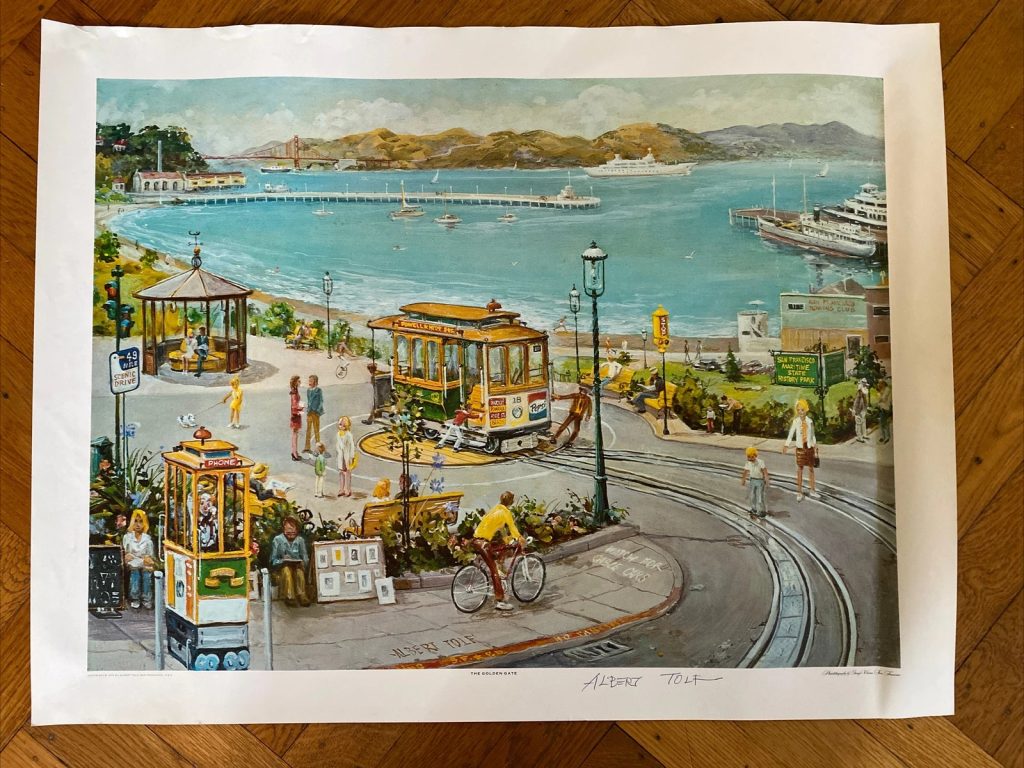
Who doesn’t love a vintage travel poster? Whether it’s the nostalgia of a seaside vacation, the allure of an exotic destination, or the charm of an old-fashioned locomotive, these pieces of art capture our imagination and transport us back in time. But when it comes to collecting and pricing these vintage treasures, the differences between original lithographs and reprints can make a world of difference.
Understanding these nuances is not only important for seasoned collectors but also for those who appreciate the aesthetics and cultural significance of vintage travel posters. This article, based on expert insights and market trends, will guide you through the key aspects of original lithographs and reprints, their pricing, and what to look for when starting or growing your collection.
1. Understanding Original Lithographs


An original lithograph is a type of print made using a particular process that dates back to the late 18th century. Lithography involves creating an image on a stone or metal plate, which is then inked and pressed onto paper. The resulting prints are known for their vibrant colors and distinct textures. The Museum of Modern Art has a great section on lithography if you’re interested in learning more. The value of original lithographs can vary widely based on factors such as the artist, rarity, condition, and historical significance.
2. Recognizing Reprints
Reprints are reproductions of original posters, usually created using modern printing techniques. While they can be visually appealing and less expensive than originals, they often lack the depth of color and texture that characterize original lithographs. As Swann Galleries explains, distinguishing between an original and a reprint involves examining factors like paper quality, printing method (look under a loupe), and condition cues such as wear and patina.
3. Pricing Original Lithographs
The price of vintage travel poster lithographs can range anywhere from a few hundred to several thousand dollars. Factors that impact the price include the condition of the poster, its rarity, the artist who created it, and its historical significance. Auction-house archives like Christie’s Results let you browse past sales to see what comparable posters have actually sold for.
4. Pricing Reprints
Reprints, on the other hand, are generally much more affordable. You can typically find them for under $100, and sometimes even less than $20. However, keep in mind that while they may be budget-friendly, they often lack the value and authenticity of original lithographs. Retailers like AllPosters offer a wide range of reprint options for various budgets.
In conclusion, whether you’re a seasoned collector or a novice enthusiast, understanding the differences between original lithographs and reprints can greatly enhance your appreciation of vintage travel posters and help you make informed decisions when adding to your collection. So, dive into this vibrant world of vintage travel art, and let your walls tell a story.