

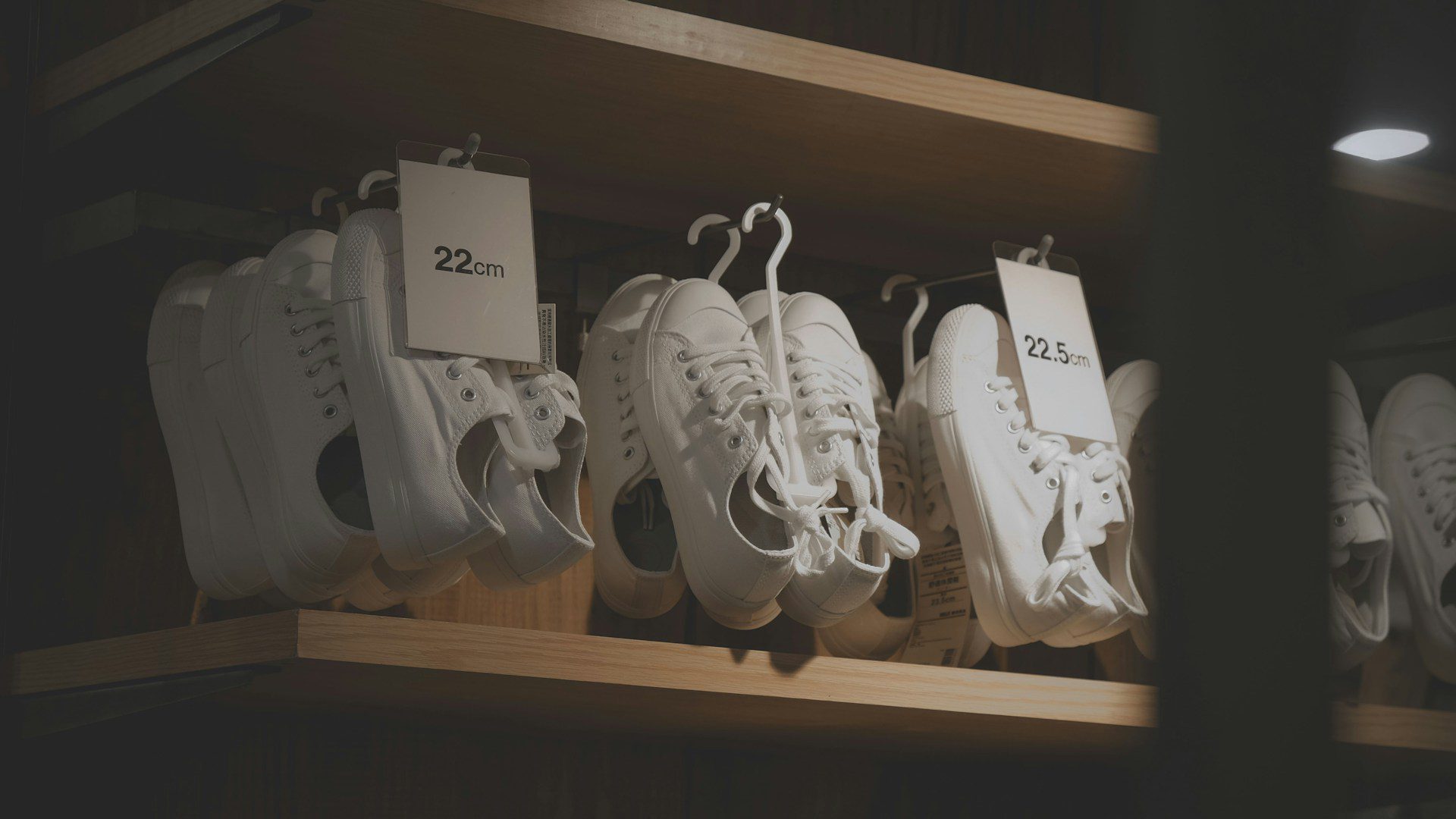
Picture a thrifter who spots a pair of Brooks shoes at Goodwill for $5, lists them on a popular resale app for $20 and goes home happy. According to reseller Wick of @FlippingJunk, that simple flip could cost you your entire Vinted account.

He says he looked into the rules after readers kept telling him that resellers are not allowed on the platform. He first figured the warnings were about wholesale sellers, but what he found surprised him.
In his words, “you cannot resell on Vinted.” At least, he says, you are not supposed to if you are making a profit on something.

Buy Shoes At Goodwill For $5, Sell Them For $20, And Vinted Can Ban You
Wick says he compiled the rules from Vinted’s own website. As of October 2026, he reports, Vinted does not allow commercial reselling on standard US accounts, and that includes buying secondhand items specifically to flip for profit.
The examples he read out are blunt. Buying clothes at Goodwill to resell is not allowed, and neither is picking things up at garage sales or estate sales to flip, or buying liquidation or wholesale merchandise.
The app does allow you to sell your old clothing, a hundred items from your own closet, household things you no longer need and unwanted gifts. The line is drawn at buying with the plan to resell.
Wick understands the wholesale rule. He compares it to how eBay and Amazon fill up with generic junk, and he says Vinted does not feel like that.
Europe Has A Paid “Vinted Pro” For Resellers, But Americans Can’t Sign Up Yet
What bothers him is the shoe scenario. He points out that if you buy a pair for $5 and sell them for $20, the buyer gets shoes, the seller makes a few bucks and everyone is happy.
Then he found the clue that made it click for him. In Europe, where Vinted started, eligible professional sellers can sign up for a paid account called Vinted Pro and run a secondhand business.
His theory is that Vinted does not want resellers on the app who are not paying it. Vinted Pro has not launched in the United States, which keeps American sellers from using it for a reselling business, and Wick predicts it may arrive here soon.
He mentions that some people argue the rule keeps prices low, but he says a paying Pro account ends in the same result for buyers.
So How Would Vinted Even Know? A Flag, A Review And Possibly A Ban
This is the question he keeps coming back to. He says Vinted looks at the nature and purpose of your selling, and it cannot know your original intentions just by looking at a single listing.
According to what he read, the company reviews accounts when activity is reported or when its systems spot behavior that may break the rules. An account full of newly sourced inventory, for example, might get extra attention.
Selling a lot is not a violation by itself. Wick notes that a Vinted senior director said someone selling 200 items from a personal wardrobe would not automatically count as a business.
His example of what could raise eyebrows is a buyer who snaps up 18 pairs of shoes in different sizes. Someone may look at it and decide it does not add up.
The Rules That Actually Trip People Up
Wick lists several other rules he found. Items on the US site are capped at $1,000 in value, so expensive collectibles will not qualify.
You must use your own photos, so a stock image from a shoe brand will not do. You cannot cross-list merchandise from other platforms, and you cannot buy items on Vinted to resell on eBay or elsewhere.
He adds that a lot of people complain that the app’s checker flags real items as fakes. Remove too many listings, he says, and you can be banned.
New items are allowed only if you bought them for yourself and never used them. Buying 10 discounted jackets at a store to resell is not, and passing off new business inventory as used personal stuff is also prohibited.
His Plan: Keep Flipping The Small Stuff And Take The Big Items Elsewhere
Wick does not think enforcement is heavy. He compares it to Amazon in the days when sellers were buying clearance items, a practice its rules frowned on, because there were more sellers bringing in business than the company itself.
In his view, platforms look the other way until a seller goes to extremes, then point to the terms. He says he even expects to get banned someday because he makes videos about reselling, and that he would not care.
For him, Vinted is a place to move slow inventory, like a garage sale. He says sellers pay no fees there, and a shirt bought for a dollar and sold for eight takes two or three minutes to list.
Anything worth real money still goes to eBay, he says, and he is looking at Depop, where he understands you pay a processing fee and things generally sell for more.
What To Do Before You Flip Anything On Vinted
- Read the seller terms for your country yourself, since they can change.
- Sell things you own and no longer need, which is clearly allowed.
- Take your own photos of every side of an item.
- Do not cross-list from other sites.
- Keep items under the $1,000 cap.
- Do not build your whole business on one app. Wick says you do not want to spend hundreds of hours on an account just to lose it.
Whether the rules get enforced on every bargain hunter or not, his advice is simple. Use the app for decluttering, and keep your serious selling where resellers are welcome.
More Stories You May Like
- 10 Treasures Parents Save For The Kids That Adult Children Often Say They Do Not Want, And What To Do With Them Instead
- Mom Hides A Secret For 45 Days While Strangers Help Wipe Out $66,676.60 In Family Debt, Then Tells Her Husband With A Letter That Opens ‘I Promise I’m Not Pregnant’
- 8 Things Boomers Are Told To Sell Before Retiring, And Why Some Financial Writers Say To Think It Through First