


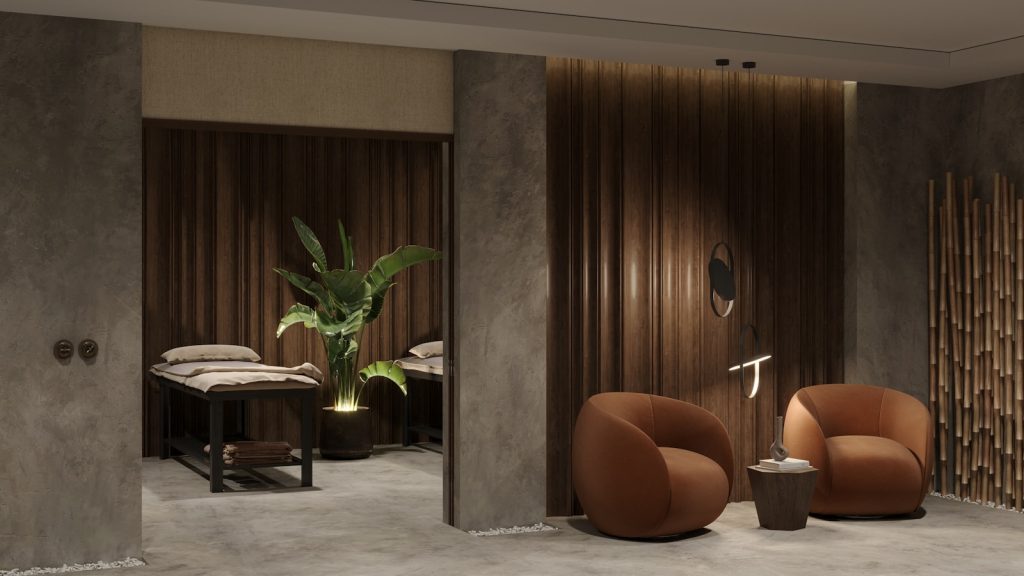
As society becomes increasingly fast-paced and chaotic, many of us are seeking ways to create a sense of calm and tranquility within our homes. One trend that’s gaining popularity is Wabi Sabi, a Japanese philosophy that embraces the beauty of imperfection and simplicity. It’s about finding peace in the natural and authentic, creating spaces that are serene and Zen-like.
In this article, we’ll explore six rules to help you implement Wabi Sabi style in your own home. From embracing natural materials to appreciating the beauty of aging, these principles will guide you in creating spaces that are not only aesthetically pleasing but also imbued with a sense of peace and tranquility.
Rule 1: Embrace Natural Materials

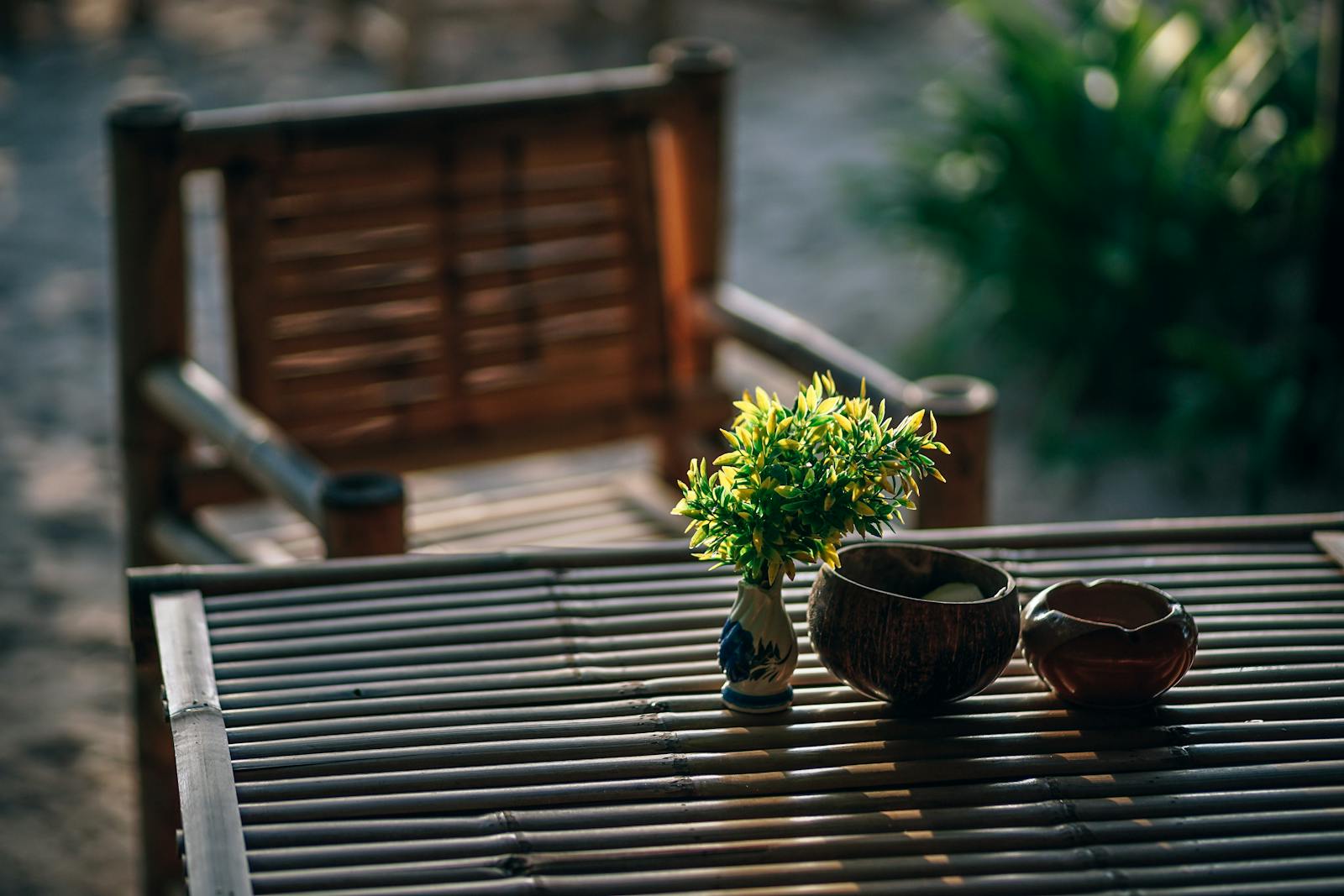
Wabi Sabi style is rooted in the appreciation of the natural world. This philosophy extends to the materials you use in your home. Instead of synthetic or mass-produced items, opt for natural materials like wood, stone, and bamboo. These elements, with their unique textures and patterns, bring warmth and authenticity to your space.
Furthermore, natural materials age beautifully, gradually developing a patina that adds depth and character. This appreciation of aging and imperfection is a key component of Wabi Sabi, imbuing your home with a sense of history and meaning.
Rule 2: Simplify Your Space
Wabi Sabi encourages a minimalist approach. It’s not about cramming your home with stuff, but about carefully curating items that bring you joy and have a purpose. This means decluttering your space, letting go of unnecessary items, and creating a sense of spaciousness and calm.
However, simplicity doesn’t mean sterility. A Wabi Sabi home is warm and inviting. It’s about striking a balance between minimalism and coziness, creating a space that’s both pared-back and comfortable.
Rule 3: Appreciate the Beauty of Aging
Unlike Western design philosophies that often prioritize newness and perfection, Wabi Sabi embraces the beauty of aging. This can manifest in various ways, from appreciating the patina on a leather couch to cherishing a cracked ceramic bowl. Aging, in the Wabi Sabi philosophy, is something to be celebrated, not hidden or replaced.
This mindset can be liberating, freeing you from the constant pursuit of perfection. It encourages you to appreciate the beauty of the old and the worn, finding joy in their stories and character.
Rule 4: Create Harmony with Nature
Wabi Sabi is deeply connected to the natural world. It encourages us to live in harmony with nature, reflecting this relationship in our homes. This can be achieved by incorporating elements of nature into your space, such as houseplants, natural fibers, or artwork depicting natural scenes.
Moreover, it’s about embracing natural light and fresh air, arranging your furniture to maximize these elements. This connection with nature can have a profound impact on your wellbeing, creating a space that’s not just beautiful, but also nurturing and restorative.
Rule 5: Incorporate Handmade Items
Handmade items, with their unique quirks and imperfections, embody the Wabi Sabi philosophy. These items are often made from natural materials and bear the marks of their maker. They add character and authenticity to your space, a stark contrast to mass-produced items.
Whether it’s a handwoven rug, a hand-thrown pottery vase, or a handcrafted wooden table, these pieces tell a story. They remind us of the human touch behind them, adding a layer of warmth and meaning to your home.
Rule 6: Celebrate Imperfection
The core principle of Wabi Sabi is the celebration of imperfection. It’s about finding beauty in the flawed and the irregular, rejecting the notion that beauty equates to perfection. This can be seen in a cracked teacup, a frayed rug, or a weathered wooden table. These items, with their imperfections, are considered beautiful because they’re real and authentic.
Embracing this mindset can have a profound impact on your wellbeing. It frees you from the pressure of perfection, allowing you to find joy in the imperfect and the authentic. It’s a philosophy that encourages you to find beauty in the everyday, creating a home that’s not just aesthetically pleasing, but also emotionally fulfilling.