


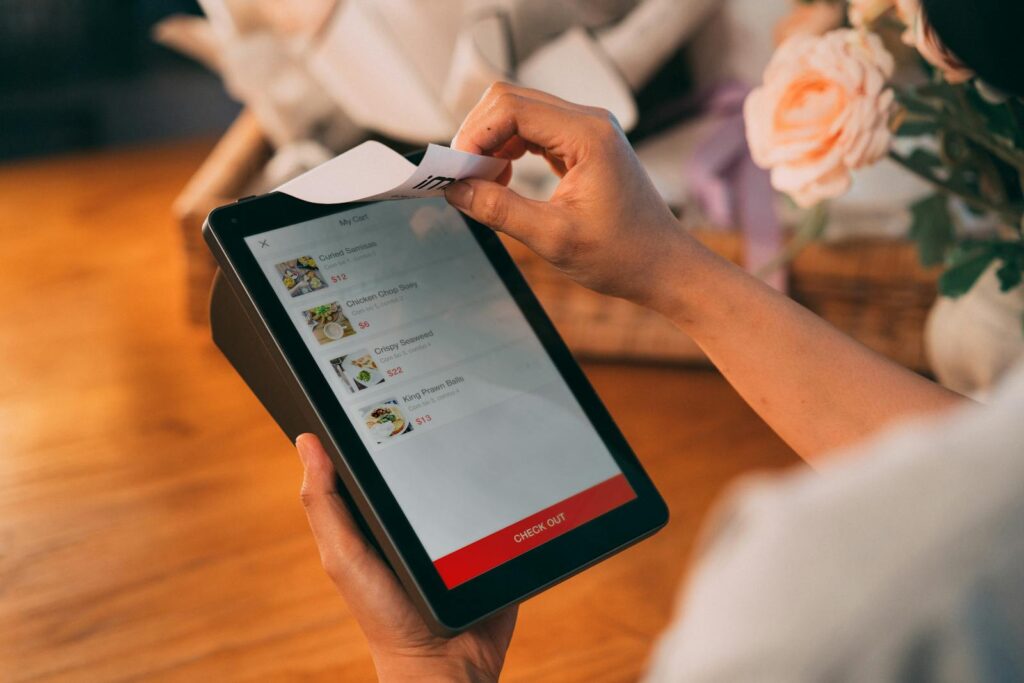
You walk into Walmart expecting a quick scan-and-go, but lately the experience feels riskier and slower. Theft, malfunctioning kiosks, and growing lines have pushed the chain to rethink self-checkout, and those changes will affect how you shop and how quickly you move through the store.
Walmart plans to reduce some self-checkout lanes and add more staffed registers and monitored kiosks to cut theft and ease customer frustration. This shift aims to speed up real transactions and lower losses, so you can spend less time troubleshooting machines and more time getting out the door.
The article explains why Walmart made the move, how stores will change day-to-day, and what shoppers can expect at the register next time they visit.

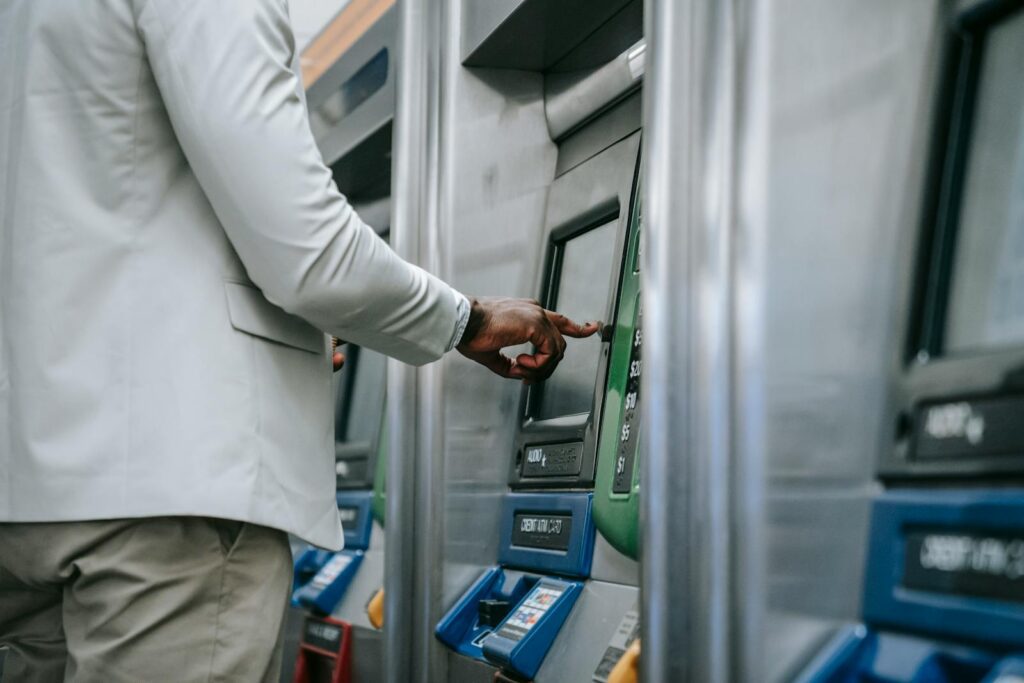
Why Walmart Is Changing Self-Checkout
Walmart now balances theft reduction, faster transactions for loyal members, and clearer customer satisfaction metrics. The company is targeting specific pain points—unscanned items, tech failures, and frequent complaints—to redesign where and how self-checkout works.
Theft and Scanning Errors Impact
Stores report higher shrink tied to self-checkout lanes, especially in urban locations where officials say incidents rose. Managers cite examples of unscanned items and weight-sensor bypasses that inflate loss rates and force more frequent inventory reconciliations. In at least one location, removing kiosks coincided with a large drop in theft-related police calls and arrests, showing immediate effect on local shrink numbers.
Walmart is testing tech fixes—AI item recognition, RFID trials, and enhanced cameras—to catch mismatches in real time. Those technologies aim to reduce false alarms and speed resolution when a scan fails. The retailer also limits items per transaction at some kiosks to cut opportunities for scanning mistakes and theft.
Rising Customer Frustration
Customers frequently report slow or glitchy kiosks that require staff intervention, increasing total time in line. Many shoppers post about unexpected item limits or being barred from certain lanes, which erodes trust and prompts complaints on social media and surveys. Walmart associates note repeated interactions where hosts must manually verify bags, undermining the fast-checkout promise.
Walmart responds by reserving some self-checkout access for Walmart+ members and delivery drivers in certain stores, which aims to deliver a more reliable, faster experience for frequent users. The company ties these changes to direct customer feedback and local manager discretion to address the most common frustrations quickly.
Effects on the Overall Shopping Experience
Removing or limiting kiosks shifts staff roles back to registers and floor support, increasing hands-on help for customers who need accessibility or onboarding assistance. Shoppers who prefer staffed lanes notice shorter resolution times for price checks and returns. Others miss the autonomy and speed of traditional self-checkout when the kiosks are reduced.
Operationally, stores gain more predictable transaction flows and can reassign associates to restocking or customer service during peak times. Walmart cites these trade-offs when piloting different configurations, aiming to preserve speed for routine trips while improving accuracy and reducing shrink on larger or more complex purchases.
Walmart’s New Self-Checkout Strategy
Walmart is shifting how customers check out by cutting some kiosks, adding more staffed lanes, and testing smarter technology to curb theft and reduce friction. These changes affect which lanes open, who gets priority access, and how stores deploy staff and cameras.
Reduction of Self-Checkout Kiosks
Walmart has removed or reduced traditional self-checkout kiosks at several stores after managers reported scanning errors and higher shrink. In affected locations, lanes were replaced with staffed registers or moved behind attendants to keep an eye on transactions.
Customers with small baskets may see fewer unattended kiosks, while high-traffic stores often keep a smaller number of monitored kiosks to handle quick purchases.
Key operational moves:
- Reallocating floor space from free-standing kiosks to staffed lanes.
- Reserving some self-checkout access for Walmart+ members or Spark Drivers in select stores.
- Using store-level metrics (shrink, queue length, theft incidents) to decide kiosk counts.
Staffed Checkout Lanes and Hybrid Models
Walmart is adding more staffed lanes and roaming associates to assist at remaining kiosks. Employees now help with scanning, bagging, and troubleshooting to speed throughput and reduce mis-scans. Stores report that having an attendant nearby both lowers theft and improves customer satisfaction on larger orders.
Hybrid setups mix staffed registers with assisted self-checkout:
- Attended kiosks where an employee verifies scans.
- Dedicated express lanes for small baskets plus full-service lanes for larger carts.
- Dynamic staffing that shifts associates to checkout during peak times to keep waits down.
Technological Upgrades and Retail Experiments
Walmart continues pilots of AI-powered self-checkout, RFID tags, and invisible barcode tech to automate scanning while improving security. Tests include camera-based computer vision systems at membership clubs and phone-based mobile self-checkout that pairs with in-store sensors. These experiments aim to detect unscanned items and cut false positives without returning to fully unattended kiosks.
Current tech focus:
- Computer-vision kiosks that flag mismatches between weight/scan and camera feeds.
- Invisible barcodes and RFID trials to speed multi-item scanning.
- Mobile and voice-assisted self-checkout pilots that let shoppers scan on their phone or use voice prompts while an AI layer verifies items.
Walmart balances these tools with more staff presence so technology and people work together to reduce shrink and friction.
More from Decluttering Mom: