



Families who treat Walmart as a weekly stop are about to shop in a very different store. By 2026, everything from how carts are filled to how prices change on the shelf is set to be reworked with automation and artificial intelligence, reshaping the basic grocery run. The changes are pitched as faster and more convenient, but they will also ask parents and kids to adjust long standing habits.
Smarter aisles, new checkouts, and a tech-heavy store trip

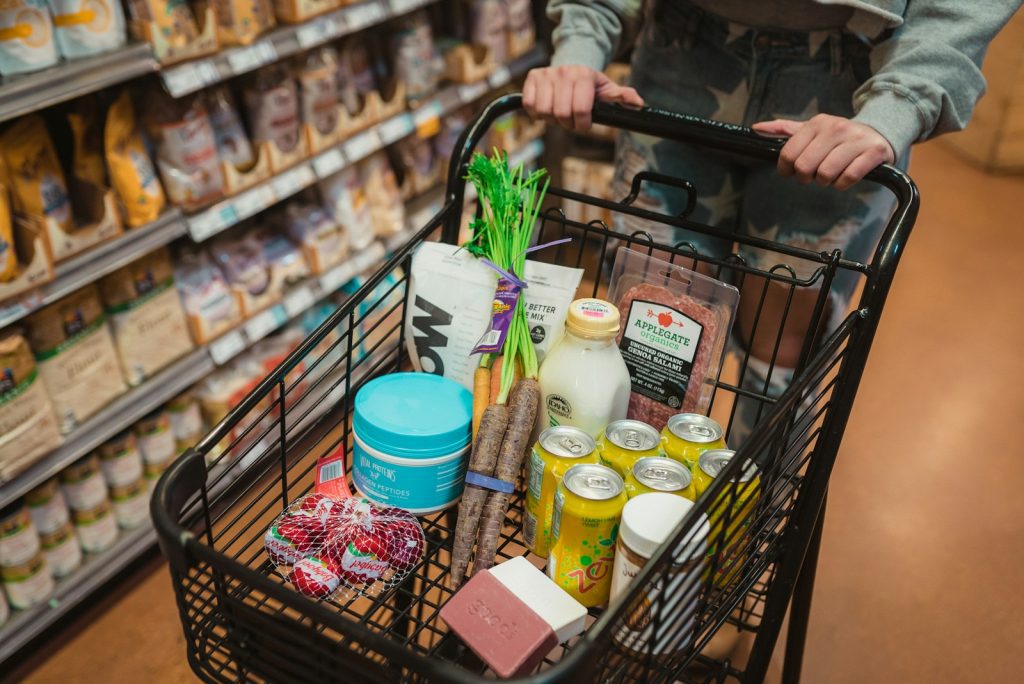
Inside the four walls, Walmart is leaning hard into automation and digital tools that quietly change how a Saturday stock up feels. The company is rolling out a GenAI assistant that learns how customers shop and then tailors recommendations as they move through the store, essentially turning a phone or kiosk into a roaming guide that remembers what a family bought before and suggests what they might need next, according to GenAI. That same push is expected to shrink the number of self checkout lanes and rework front end layouts so shoppers are nudged toward faster, more guided options instead of long, do it yourself lines.
On the shelves, prices themselves are getting a digital makeover that parents will notice even if they never open an app. Walmart is preparing to install digital shelf labels, or DSLs, in up to 2,300 stores by 2026, a system that lets workers change prices across entire departments in seconds instead of walking aisle by aisle with paper tags, a shift described in detail through Expanded automation. Separate reporting notes that these digital labels are part of three major checkout related upgrades Walmart is bringing in, promising greater levels of convenience for shoppers who are used to hunting for yellow rollback stickers, a change highlighted in coverage that urges readers to Find what is coming. For families, that could mean more frequent price tweaks, but also clearer, more accurate totals that match what rings up at the register.
Automation behind the scenes, drones overhead, and a changing footprint
The tech shift is not just happening where kids can see it, it is also reshaping the warehouses and delivery systems that feed local stores. Walmart has laid out a plan for 65 percent of its locations to be serviced by automated supply chains by 2026, a reengineering effort that, according to company statements, is meant to fulfill customer needs with a more intelligent and connected network and could improve unit cost averages by approximately 20 percent, a target described in detail starting with the phrase Through. In parallel, the company has been investing in new high tech distribution and fulfillment centers that are designed with more energy efficient equipment and lighting and lower impact refrigeration, part of a broader expansion of stores and jobs that was laid out in a corporate announcement that framed these facilities as better for Walmart shoppers and associates, a vision detailed in These new facilities. Another report notes that in addition to existing automated locations, Walmart will break ground on another fulfillment center in 2026 that leans on robotics to move goods and support in store navigation tools, a plan outlined in coverage of Walmart changes.
For families who would rather skip the store entirely, the skies are getting busier too. Walmart and drone delivery company Wing are expanding drone delivery services to 150 additional locations, a move that has already sparked local questions about whether the program is coming to Wisconsin and other states, as reported in a GROCERY focused story by Francesca Pica that notes how Walmart is expanding. At the same time, Walmart is stepping into 2026 with a dedicated emphasis on healthier options, surprising fans with a game changing move that ties nutrition focused offerings to new ways to pay, including the ability to use a Health Savings Account, Flexible Spending Account, Health Reimbursement Arrangement, Health Incentive Account, Health Reimbursement Arrangement Trust or as a Gift, a bundle of benefits spelled out in coverage that notes how Walmart is stepping. Together, those shifts mean a family might order pantry staples by drone, pick up fresh produce in person, and pay for wellness items with tax advantaged dollars, all inside the same ecosystem.
Leadership shifts, digital strategy, and what families should do now
More from Decluttering Mom: