


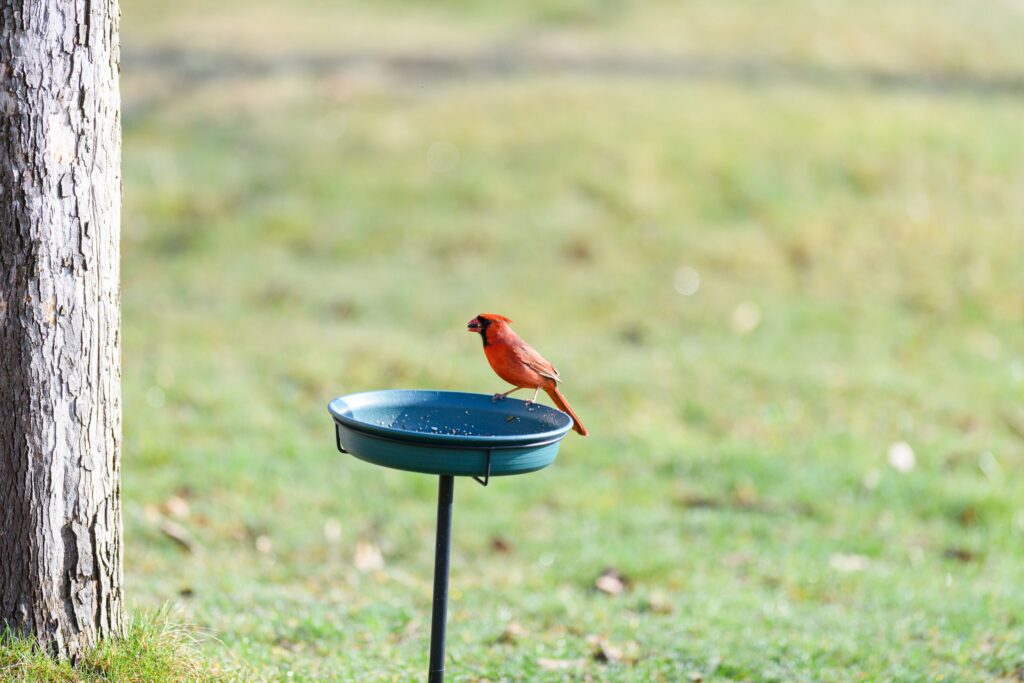
Something quietly remarkable happens in backyards across the country every winter: more than a million people, by the Cornell Lab of Ornithology’s own tally, pause what they’re doing to count the birds outside their window. In the most recent Great Backyard Bird Count, participants logged 8,257 species and filed 467,696 checklists from 216 countries and eBird subregions, with the event’s own results page estimating global participation at 1,146,284 people. Audubon, one of the count’s founding partners, reports that more than 450,000 people submitted observations online during a recent count — what the organization calls, on its community science page, “the largest instantaneous snapshot of global bird populations ever recorded.” None of these people needed a biology degree or specialized equipment. They needed a feeder, a few free minutes, and a bit of curiosity. If you’ve ever lingered at your kitchen window watching a cardinal work a suet cage, you’re already closer to this hobby than you might think, and it turns out that right now, as birds move through on their fall journeys, is one of the best times of year to actually begin.
A Backyard Hobby That Became the World’s Largest Bird Survey
The Great Backyard Bird Count started small. According to the program’s own history page, it launched in 1998 as a joint effort between the Cornell Lab of Ornithology and the National Audubon Society, and it was, in the project’s words, “the first online participatory-science project…to collect data on wild birds and to display results in near real time.” Birds Canada joined the partnership in 2009, and in 2013 the count began feeding its data directly into eBird, the massive global bird-sighting database Cornell Lab maintains. What began as a modest four-day February project is now genuinely global. The most recent count generated 1,239,329 bird identifications through the Merlin Bird ID app and 246,225 photos, videos, and audio recordings contributed to the Macaulay Library, alongside 435 organized community events held everywhere from nature centers to school classrooms. You do not need to travel anywhere or wake up before dawn to take part. The official format asks for as little as fifteen minutes of watching, from wherever you happen to be, over any of the four count days.
The Feeder Watchers Who’ve Been at This Since 1987
If the Great Backyard Bird Count is the flashy four-day event, Project FeederWatch is the steady, season-long backbone of backyard bird science. According to Project FeederWatch’s own program history, the effort began in the winter of 1987–88, when more than 4,000 people enrolled and, remarkably, ended up representing every U.S. state except Hawaii along with most Canadian provinces in that very first season. Nearly four decades later, the program still asks the same simple thing of participants: watch your feeders on a schedule that works for you, and report what shows up. FeederWatch tracks more than 100 species that winter across North America, and the counting season runs from November 1 through April 30 each year. What strikes you, once you sit with these numbers, is the sheer continuity. This is not a one-time viral moment. It is nearly forty years of ordinary people, in ordinary backyards, quietly building one of the longest-running wildlife datasets in existence.
What All Those Checklists Actually Tell Scientists
It is worth pausing on why any of this matters beyond the charm of it. A handful of professional ornithologists, however dedicated, could never physically visit enough backyards to track how bird populations shift season to season across an entire continent. That is precisely the gap citizen science fills. Cornell Lab notes on the Great Backyard Bird Count’s about page that the February timing is deliberate, explaining that these observations “help scientists better understand global bird populations before one of their annual migrations.” Every checklist a home feeder-watcher submits becomes a data point researchers can use to track where species are showing up, when they’re arriving, and how their numbers compare to years past. As Chad Wilsey, Audubon’s vice president and chief scientist, put it on the organization’s community science page, “This count is so fun because anyone can take part — whether you are an expert, novice, or feeder watcher.” That sentiment is really the whole engine of the thing. The scientific value depends entirely on volume, and volume depends on the count staying approachable enough for someone who can barely tell a finch from a sparrow.
Why Fall Is the Best Time to Set Up Your First Feeder
Late summer into fall is when North America’s migratory birds are on the move, passing through backyards in numbers and variety you simply will not see the rest of the year. Warblers, thrushes, and other travelers stop to refuel on their way south, which means a feeder or a water source put out now has a genuinely good chance of drawing visitors within days rather than weeks. It’s also, practically speaking, the smart lead-up to Project FeederWatch’s official season, which opens November 1. Getting your setup established in September or October gives local and wintering birds time to discover your feeder and build it into their routine before the coldest months arrive, when a reliable food source matters most to them. Birds that find a feeder early tend to keep returning to it, so starting now rather than waiting for the first snowfall genuinely does make a difference in what you’ll see this winter.
How to Start Watching the Birds in Your Own Yard

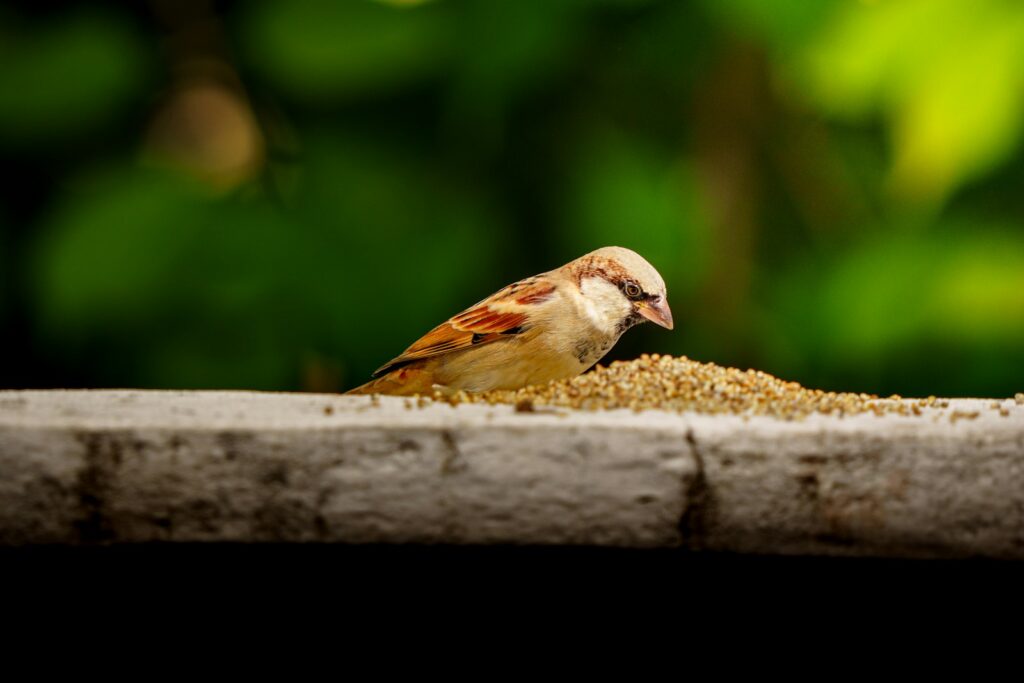
You don’t need much to begin. A single feeder stocked with black oil sunflower seed will attract the broadest range of visitors, from chickadees to cardinals, and a tube feeder filled with nyjer seed will draw finches specifically. Suet cages bring in woodpeckers and nuthatches, especially valuable once cold weather sets in and birds need denser fat and protein. Hang feeders near cover, such as a shrub or tree line, so birds have somewhere to retreat if a hawk passes overhead, and situate them where you can actually see them from a window you sit near often. A shallow dish of clean water can be just as effective a draw as food, particularly during dry stretches. Clean your feeders regularly with a diluted bleach solution to prevent the spread of disease among the birds sharing them, and be patient. It can take a new feeder a week or two to get discovered. Once you’re watching regularly, downloading the free Merlin Bird ID app makes identification almost effortless, and it’s a natural next step to submit what you see to either the Great Backyard Bird Count each February or Project FeederWatch through the winter, joining the community of watchers whose backyard observations quietly add up to something scientists actually rely on.
There is something worth sitting with in the idea that a five-minute pause at your window, multiplied across more than a million households, becomes real data that researchers use to understand how birds are faring on a continental scale. You are not just filling an idle moment when you watch a nuthatch work its way down a tree trunk. You are participating in one of the oldest, largest, and most quietly persistent scientific efforts in the country, one that asks nothing of you except attention. That is a rare kind of hobby: entirely relaxing, and genuinely useful, at the very same time.