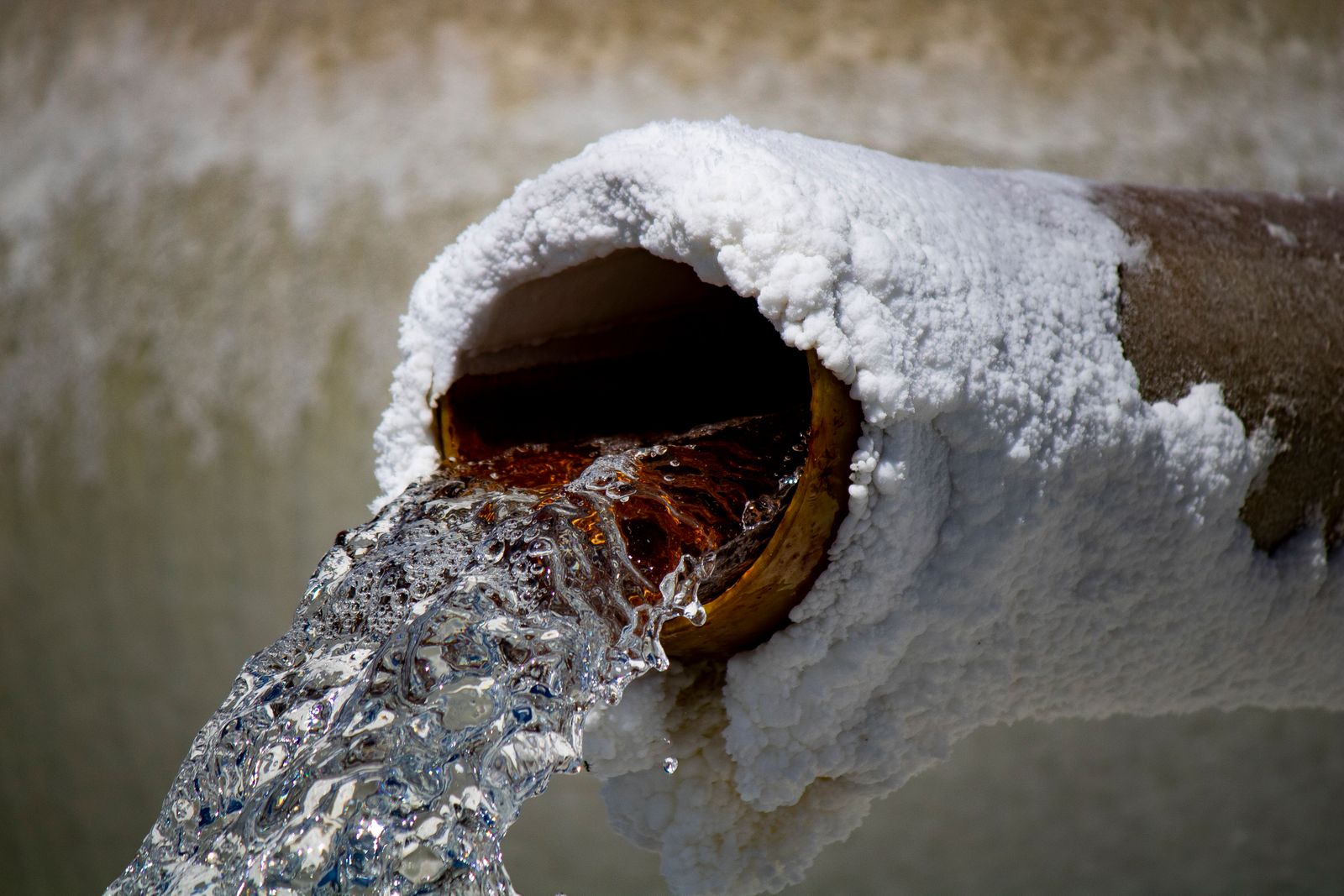
Water damage and freezing pipes have quietly become one of the most frequent and expensive reasons homeowners file an insurance claim, according to Insurance Information Institute claims data, now accounting for nearly three in ten property-damage claims industry-wide.
Between 2018 and 2022, insured homes filed 1.61 water damage or freezing claims per 100 house-years, roughly one claim for every 60 insured homes each year, according to the data. The average payout on those claims ran $13,954, which is more than the average payout on a wind or hail claim, even though wind and hail is filed more often overall.
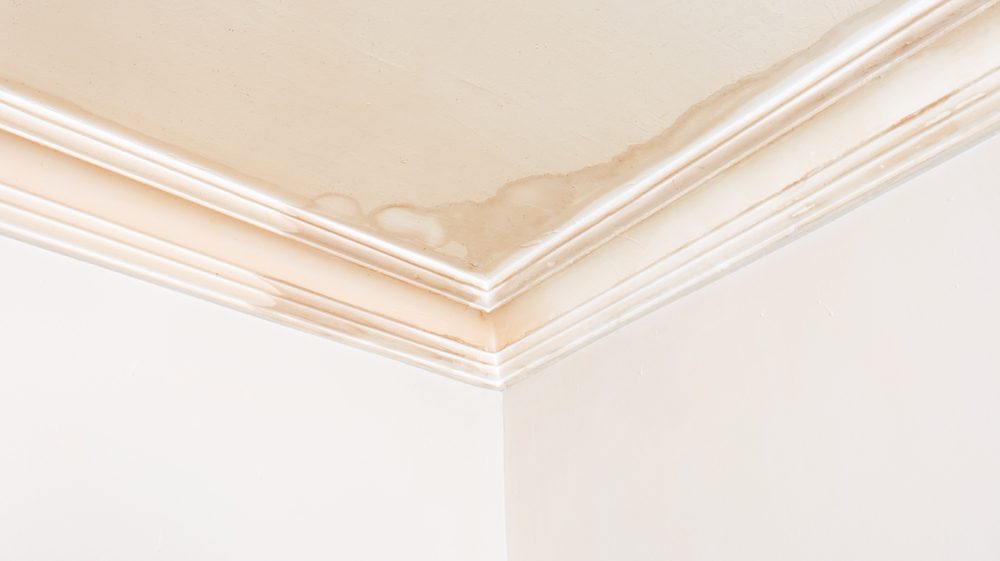
Key Points
- Water damage and freezing made up about 27.6% of all homeowner property-damage claims in 2022, more than fire, lightning and theft claims combined at 22.6%, according to the Insurance Information Institute.
- Wind and hail remains the single most frequent claim category at roughly 40.7% of property-damage claims, but water damage ranks second and costs insurers more per claim on average.
- The average water damage or freezing claim costs $13,954, compared with $13,511 for wind and hail and $5,024 for theft.
- Burst pipes, failed appliance hoses, slow leaks behind walls and frozen plumbing are among the most common causes insurers cite for the claims.
What Homeowners Should Do
Most standard homeowners policies cover sudden water damage, like a pipe that bursts without warning, but typically exclude damage from a leak that went on for weeks or months undetected, which is where a lot of the largest claims start.
- Install a battery-powered water leak sensor near washing machines, water heaters and under sinks. The devices run as little as $20 to $30 each and can flag a leak before it soaks through flooring or drywall.
- Know where the home’s main water shutoff valve is, and make sure every adult in the household does too, in case a pipe fails while someone is out.
- Disconnect and drain outdoor hoses before the first hard freeze, and let faucets on exterior walls drip during a cold snap to keep pipes from freezing solid.
- Review the policy’s water damage language directly with an agent, since coverage for gradual leaks, sewer backup and sump pump failure is often sold as a separate add-on rather than included automatically.
Insurers rarely lead with this data when selling a policy, in part because the fixes that prevent the biggest claims cost so little compared with what follows when they’re skipped.