



Parents send their kids off on the school bus assuming the adult behind the wheel is the safest driver on the road, not someone who can barely stand upright. In Nebraska, that trust was shattered when a driver allegedly completed an entire morning route with a blood alcohol level nearly three times the legal limit, only getting stopped after dozens of children were already at school. The case has turned into a gut check on how districts vet, monitor, and respond to the people they hand the keys to every weekday morning.
Investigators say the driver was not just a little buzzed but “extremely” drunk, with a 0.22 blood alcohol content, and that She had already transported preschoolers and elementary students before anyone intervened. The story could have ended with a mass casualty crash. Instead, it ended with a traffic stop, a failed breath test, and a community trying to figure out how close it came to disaster.

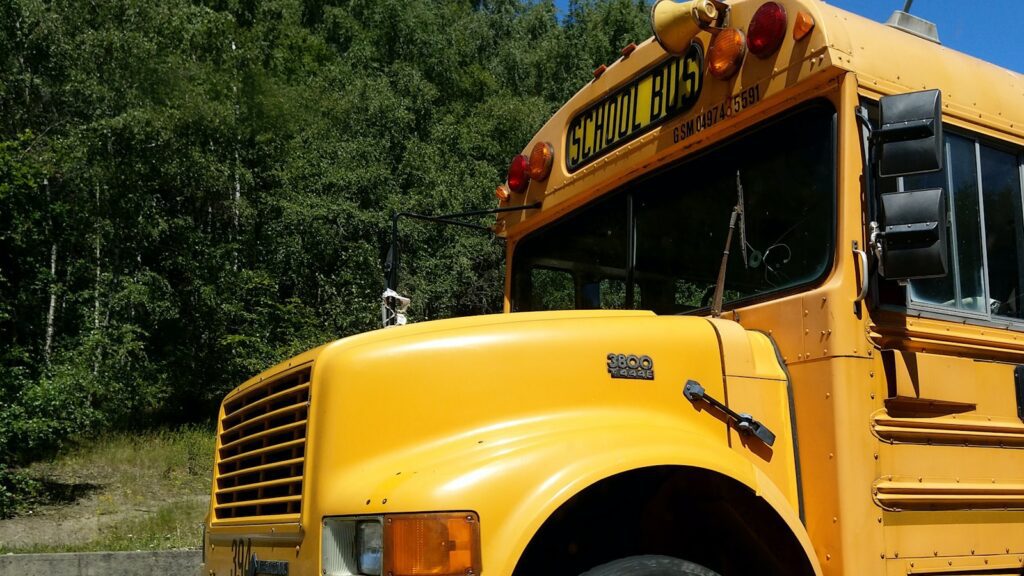
The Nebraska route that should have been a nightmare headline
In the Nebraska case that has grabbed national attention, authorities say the driver finished a full morning run before anyone realized something was very wrong. According to investigators, the woman drove a bus loaded with dozens of children, including preschoolers, to school while “extremely” intoxicated, then headed back out on the road before being pulled over. When deputies finally tested her, they reported a blood alcohol content of 0.22, nearly triple the standard legal limit for drivers.
Chief Deputy Ben Houchin did not sugarcoat what that meant. He said that in 32 years of law enforcement he had never seen a school bus driver this drunk on duty, and that the community was “lucky she got caught” before a crash turned the route into a crime scene. The driver, identified as Betty Johnson, was working for Norris Public Schools in Nebraska, and the sheer number of kids she had already dropped off is what has parents replaying that morning in their heads.
How the warning signs finally broke through
The obvious question is how someone that impaired made it through a pre-trip check, left the lot, and completed a route without being stopped. In the Norris district, it was not a supervisor who first raised the alarm but a school resource officer who noticed something off after the children were already inside the building. That officer’s concern triggered the traffic stop that ended with the failed breath test and the arrest. District leaders later acknowledged that the situation “could have had a tragic outcome,” a point underscored in their own internal account of what happened.
Local coverage from LINCOLN, Neb, has filled in more of the picture. The driver’s route included very young students, and the bus had already completed its morning run by the time law enforcement intervened, according to LINCOLN, Neb reporting. A separate description of the incident, labeled as Background, stressed that the district only learned the full extent of the driver’s condition after law enforcement testing, which raises uncomfortable questions about how much of the safety net is essentially outsourced to police and chance observations.
“EXTREMELY DRUNK” is not a one-off problem
As shocking as the Nebraska case is, it is not happening in a vacuum. The same driver has now been described in court records as EXTREMELY intoxicated, and the plea discussions around her case are a reminder that criminal charges are only one piece of the fallout. Parents are left wondering how someone in that condition ever cleared a hiring process, and whether the system is catching problems early or simply reacting once a driver is already on the road with a full load of kids.
Other districts have faced their own versions of the same nightmare. In one Indiana case, a driver was accused of being drunk with 38 k on the Bus, a situation the DCSO described as a close call after the vehicle was stopped and checked. In Kentucky, a Faget County driver named Carla Padet was arrested after allegedly hitting two vehicles in one morning while behind the wheel of a school bus, another reminder that impaired or reckless driving in this job does not stay hypothetical for long. Each case looks different on paper, but the pattern is the same: the system tends to notice only after something has already gone wrong.
Georgia’s open container and the struggle to brake
Georgia has supplied some of the most vivid recent examples of how bad this can get. In Bartow County, a School bus driver was arrested on suspicion of DUI with children on board, and investigators say they found an open alcohol container inside the vehicle. The route wound through the Burnt Hickory Connector in Cartersville, and the warrant described a driver who should never have been anywhere near a steering wheel, let alone a loaded bus, according to Bartow County records. Local coverage from WSB, Channel 2 in Atlanta, also noted that the driver was actively transporting students when officers intervened.
A separate Georgia incident, detailed in a national write-up, described an Accused drunk bus driver who allegedly struggled to use the brakes while carrying kids. The report, By Paloma Chavez, said the driver had trouble stopping the vehicle and that parents only learned the full story after their children made it home and started talking about what they had seen. The timestamp on that account, which included the figure 57, underscored how quickly these stories can spread once they hit social media, but the real issue is how slowly the warning signs seem to travel inside the systems that are supposed to keep kids safe.
What “lucky she was caught” should mean going forward
When law enforcement officials say a community is “lucky” a driver was caught, they are really saying the margin for error has been left to chance. In Nebraska, Chief Deputy Ben Houchin’s blunt assessment of the Norris case, and the description of the driver as “extremely” intoxicated in both charging documents and later plea discussions, show how far past the line things went before anyone stepped in. The fact that the district’s own Semi Transparent review used phrases like “could have had a tragic outcome” is a quiet admission that the safety net failed at multiple points.
Parents are not wrong to hear “we are very lucky that she got caught” as a warning rather than reassurance. The Nebraska case involving WKRC coverage, the Bartow County arrest documented by WSB, the DCSO case with 38 children, and the collisions tied to Carla Padet all point to the same uncomfortable truth: the system is catching some of the worst cases only after kids have already been put at risk. “Lucky she was caught” should not be the bar. The bar should be that someone that impaired never gets the keys in the first place.
More from Decluttering Mom: