



The penny has finally hit its official stop date at the Mint, but that does not mean every copper-colored coin in your junk drawer just vanished. Instead, the country is shifting into a long, messy afterlife for the cent, where old habits, new rules, and a lot of loose change collide. The end of production changes how businesses price things, how banks handle coins, and even how collectors hunt for value in what used to be the smallest everyday denomination.
For everyday shoppers, the big story is not a dramatic overnight ban but a slow fade from cash registers and Coinstar machines as existing pennies wear out or get hoarded. Behind that quiet transition sits a blunt economic reality: the government has been spending more to make the coin than it is worth, and officials finally decided the math no longer worked.
The money math behind killing the penny

Long before the last cent rolled off the presses, the economics of the penny had turned upside down. Producing a 1 cent coin was costing the government roughly 3.7 cents, a gap that added up to about $56 million in taxpayer money every year just to keep the smallest coin alive, according to 3.7. That mismatch showed up on the federal books as a seigniorage loss, and in 2024 the Treasury recorded a hit of $85.3 million tied specifically to penny production, a figure detailed by the $85.3 m estimate. When a coin costs more to make than it can ever buy, the sentimental argument starts losing ground fast.
Officials also had a practical problem: the country was drowning in idle cents. Analysts have estimated that there are roughly 700 pennies for every person in the United States, a mountain of metal that mostly sits in jars and car cup holders instead of circulating, as highlighted in the same $56 m breakdown. Earlier this year, the Mint struck what it described as the final 1 cent coin to be used as legal tender, a milestone that officials confirmed after the Mint wrapped up production on a Wednesday. The government’s own explanation has been straightforward: each penny costs nearly 4 cents to produce, and ending that practice is expected to save significant money over time, a point reinforced in government briefings.
How cash, banks, and prices adjust without new pennies
Ending production does not mean the penny suddenly stops being money. Treasury officials have been explicit that the penny will retain its status as legal tender, and retailers nationwide are expected to keep accepting the coin for as long as it remains in circulation, a point spelled out in Treasury guidance. Banks are taking the same line: Pennies remain legal tender, and You can still spend them or deposit them, with some institutions even encouraging customers to bring in their home coin stashes to help improve cash flow, as one Dec advisory put it. For larger hauls, some banks are asking that coins be rolled or wrapped before deposit, a practical step that the Dec Treasury FAQ notes as part of the transition.
What does change is the flow of fresh pennies into the system. Coin orders from banks may now include fewer or no pennies as the nationwide supply declines and the Federal Reserve distributes its remaining inventory, a shift flagged in guidance from Liberty National Bank. Over time, as pennies are lost, damaged, or pulled into collections, they will simply become harder to find in change, a dynamic described in a separate overview that noted how, After more than 230 years of minting, the Mint will stop making new cents and However, the existing coins will linger in circulation for years, according to Oct. Retailers that still price items at $9.99 or $4.97 will not have to rewrite every tag, but when cash is used, many are expected to round the final total to the nearest five cents, a practice Treasury has already outlined in its FAQs.
What happens to the pennies people already have
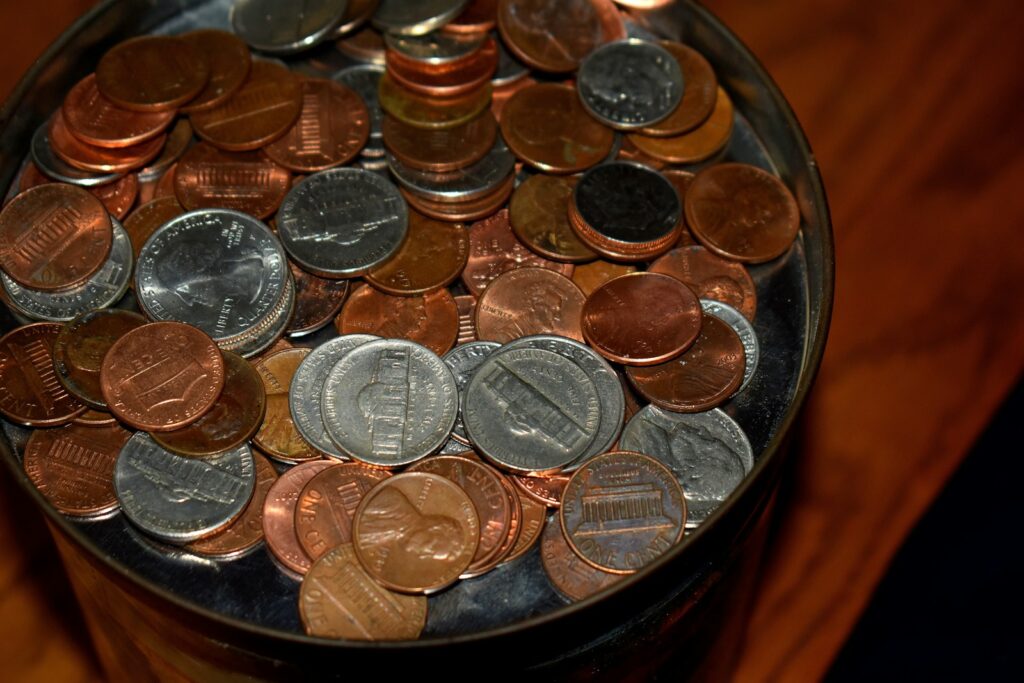
For households, the end of production turns that coffee can of coins into a small decision point rather than a crisis. The U.S. Treasury Department has been clear that the penny will remain legal tender and will still be accepted at retailers nationwide, even as officials describe the coin as severely underutilized in explaining the long term phaseout, according to a Nov briefing. Banks are reminding customers that Pennies will remain legal currency, so You can still use them for purchases or bring them in for deposit, and that rolling them into collection boxes for charities is still an option, as one Fremont explainer put it. For people who never liked carrying coins in the first place, this is a convenient excuse to dump jars at the bank and walk out with a cleaner wallet.
More from Decluttering Mom: