

For many, the bright colors of Pyrex mixing bowls conjure memories of baking with Grandma or serving Sunday dinner. But those cheery bowls aren’t just sentimental—they’re valuable. Pyrex collectors are actively hunting down rare patterns and vintage sets, some of which are now worth hundreds of dollars.
If you’ve got a stack of these nesting bowls tucked in a cabinet, it might be time to take a second look. In this article, we’ll explore what makes vintage Pyrex so desirable and how to tell if your set is one of the valuable ones.
What Is Pyrex?


Pyrex was introduced in 1915 by Corning Glass Works as a line of durable, heat-resistant glass cookware. In the 1940s, the company began producing colorful, opalware mixing bowls and bakeware sets that quickly became staples in American kitchens. These pieces were often sold in sets of four nesting bowls and featured charming designs like Gooseberry, Butterprint, and Primary Colors. Learn more at Collectors Weekly.
Why Grandma Held Onto It


Pyrex was functional, beautiful, and built to last. It could go from oven to table, and the mixing bowls were both sturdy and easy to clean. Families passed them down through generations, often using them daily. Beyond their practicality, the bright patterns brought color into the postwar kitchen and made them feel special. Many women received Pyrex as wedding gifts or collected new patterns as they were released.
What It’s Worth Today

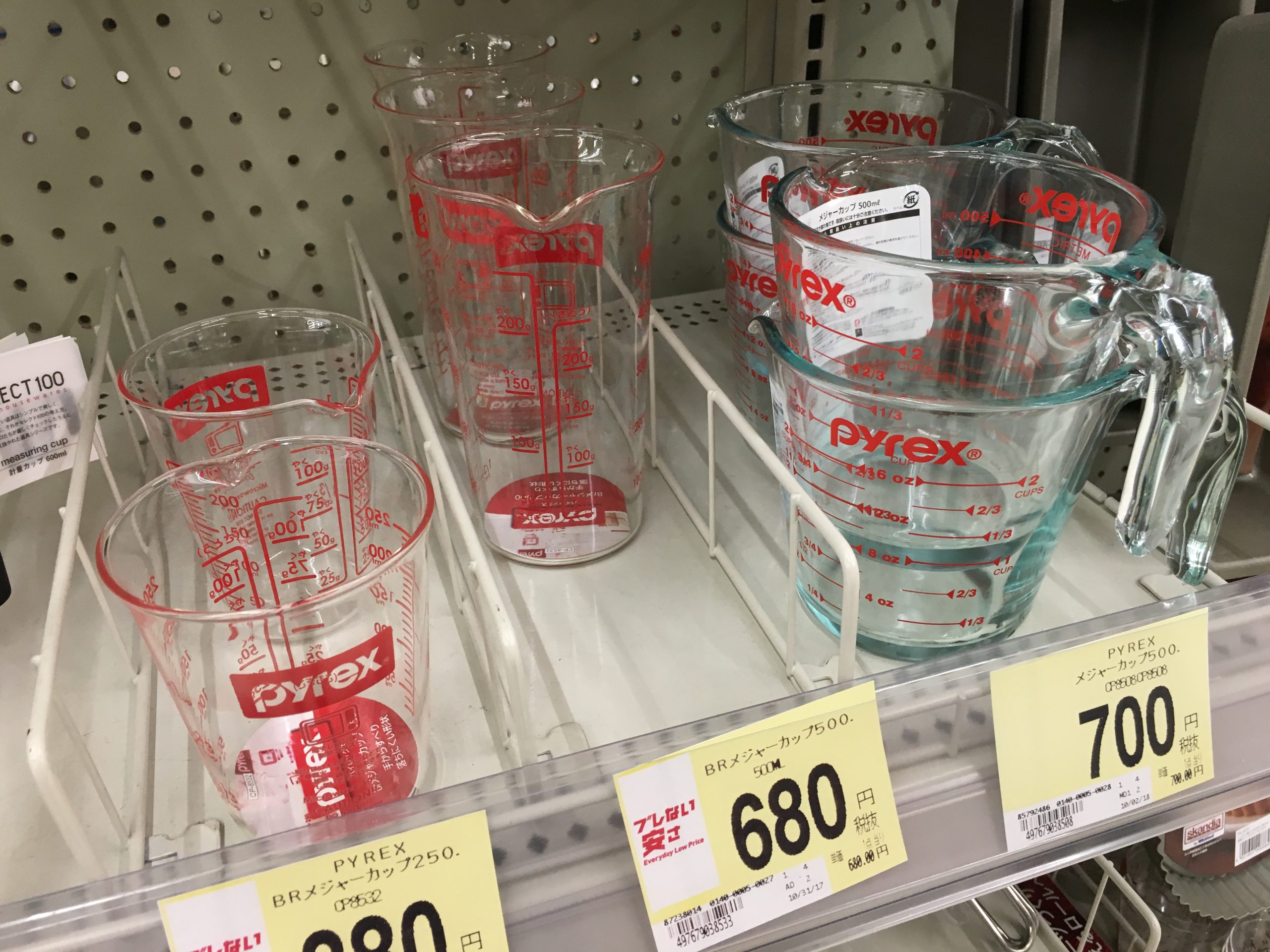
Common Pyrex bowls in well-used condition might fetch $15–$40, but rarer patterns in excellent shape can be worth $100–$500—or more. A full set of pink Gooseberry bowls, for example, can go for $300–$400. The extremely rare Lucky in Love pattern has sold for over $4,000. Condition matters greatly: chips, dishwasher fade, or missing pieces lower the value significantly. See real listings on eBay.
Popular Patterns Collectors Love


- Primary Colors: Red, blue, yellow, and green bowls that started it all—highly recognizable.
- Butterprint: Aqua and white design with Amish-style figures—very collectible.
- Gooseberry: Often pink or black on white—fetches higher prices in full sets.
- Snowflake Blue: A wintry pattern popular in the 1950s and 60s—easy to spot and loved by collectors.
- Lucky in Love: The rarest of all—features hearts, shamrocks, and is incredibly valuable if authentic.
How To Identify Authentic Vintage Pyrex

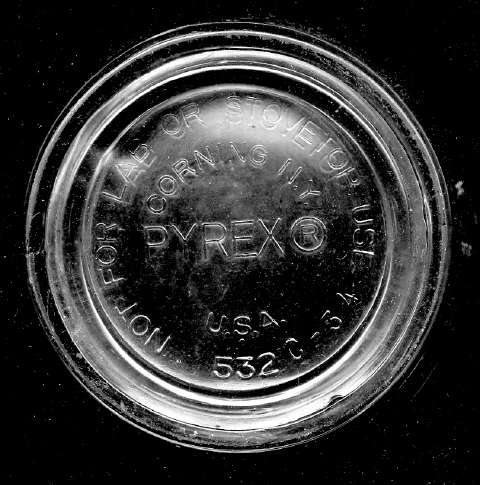
Check the bottom for embossed markings such as “Pyrex” or “Made in USA.” Early bowls have numbers and sizing codes. Avoid pieces that have been run through the dishwasher—vibrant patterns tend to fade with time and washing. Authentic bowls are typically heavier and have bright, smooth finishes. Learn to distinguish opalware (opaque colored glass) from modern clear-glass Pyrex.
Where To Find or Sell Pyrex


Estate sales, yard sales, and flea markets are goldmines for vintage Pyrex. Online platforms like Etsy and eBay offer thousands of listings, but prices can vary. Facebook Marketplace and collector groups are also good spots. If you’re selling, take clear, well-lit photos and be honest about wear. Buyers care about condition and pattern authenticity.
Caring for Vintage Pyrex

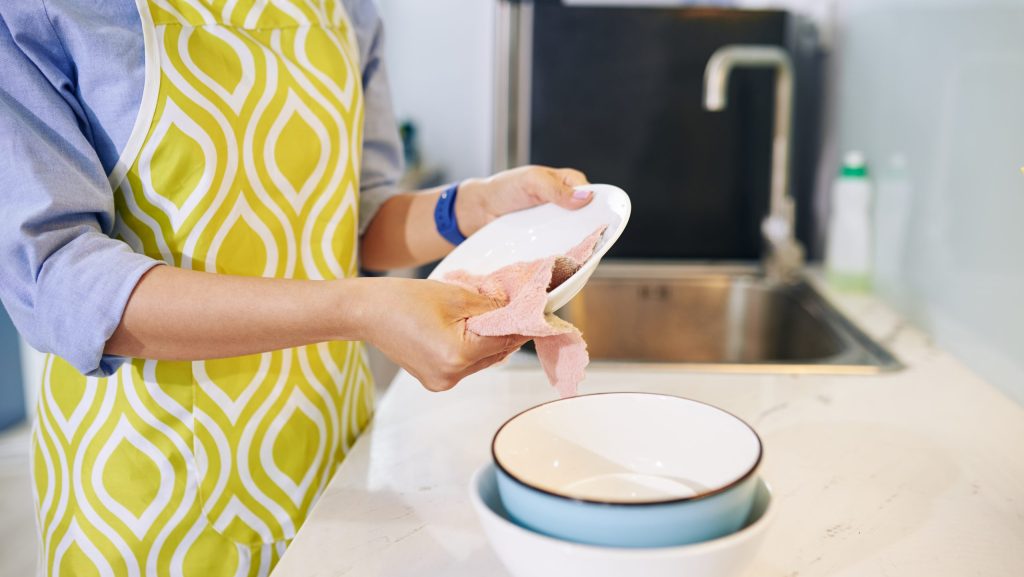
Hand wash only—modern dishwashers can erode the patterns. Avoid harsh abrasives and store with padding if stacking. Use rubber shelf liner between stacked bowls to prevent scratches. Keep out of direct sunlight to preserve color. With good care, these bowls can last for generations.
Should You Sell or Hold Onto It?


If you have a rare pattern or complete set, now is a good time to sell—especially with prices trending upward. On the other hand, Pyrex mixing bowls are beautiful and functional heirlooms that still serve their purpose in the kitchen. Many collectors choose to display them proudly or use them daily as a nod to the past.
The Future of Pyrex Collecting

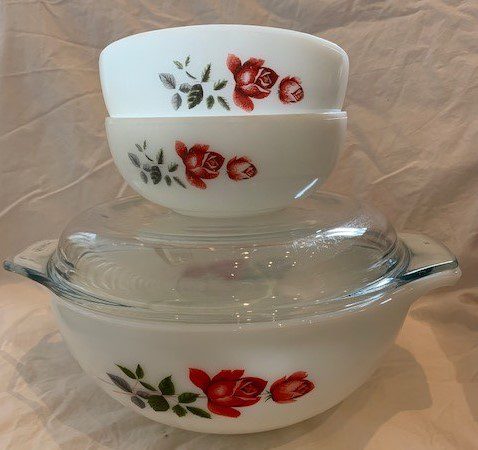
With the resurgence of retro decor and kitchen nostalgia, interest in vintage Pyrex continues to grow. Limited patterns and excellent condition pieces will likely appreciate over time. As younger collectors enter the market, demand remains strong, especially for well-documented, authentic bowls with original luster.
Vintage Pyrex isn’t just cookware—it’s a colorful slice of mid-century history. Whether tucked away in a cabinet or displayed on open shelves, these iconic mixing bowls blend nostalgia with real collector value. Before you donate or toss them, take a closer look—you might be holding onto something truly special.