

Smart speakers, cameras, locks, and plugs have quietly turned ordinary houses into sensor-packed data machines. They respond to voices, track routines, and even learn patterns, but that convenience comes with a basic question of control: who else gets to see and hear what is happening at home. The good news is that most of what these gadgets collect can be dialed back, if users understand what is actually being recorded and take a few deliberate steps to rein it in.
As smart homes spread from early adopters to the mainstream, the stakes are getting higher. With a growing share of daily life routed through connected devices, limiting what they share is less about paranoia and more about basic household hygiene, on par with locking the front door or shredding bank statements.

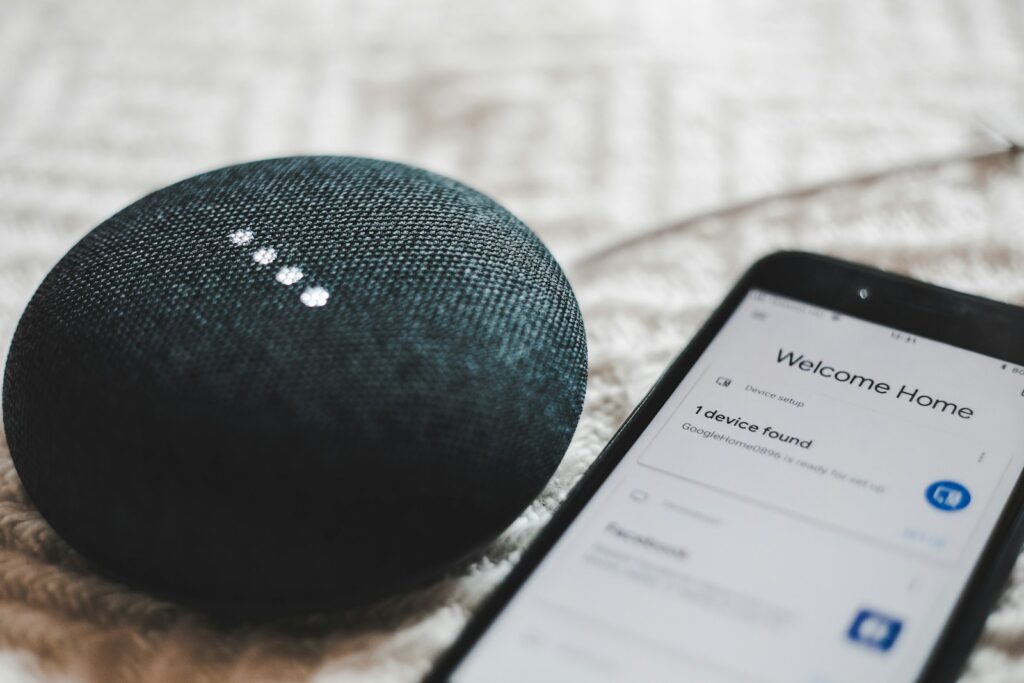
What “always listening” really means
Most people picture a smart speaker as a tiny eavesdropper, but the reality is a bit more technical and a lot more nuanced. Microphones in smart speakers and displays are typically on all the time, yet they are supposed to buffer short snippets of audio locally and only save or send anything after a wake phrase is detected. Reporting on smart device listening habits notes that the answer to “Do Smart Devices Listen 24/7?” is essentially “Yes, and no,” since the hardware is always primed but only certain clips are stored, which is why users sometimes find odd recordings in their history when the wake word was misheard as “Jan” or another stray sound that matched the trigger phrase Smart Devices Listen.
That same pattern extends to other voice-enabled gadgets, from TVs to thermostats. Smart home hubs from companies like Google, Amazon and are engineered to sit quietly until they hear a phrase such as “OK, Google” or “Alexa,” at which point they start sending audio to the cloud for processing. That design does not eliminate risk, but it does clarify it: the main privacy problem is not a live operator listening in all day, it is the pile of stored clips and transcripts that can be misinterpreted, hacked, or shared more widely than expected.
How much of the home is under watch
Listening is only one slice of the story, because smart homes are increasingly built on cameras, motion sensors, and detailed logs of daily behavior. Indoor cameras like the Arlo Essential Indoor can pan and tilt through a full “360” degrees, covering an entire room with a single lens, while doorbell cameras and outdoor models extend that coverage to the driveway and sidewalk. Smart locks, such as the Lockin V7 Max highlighted for its palm and finger vein recognition and Wireless charging, log every entry and exit, turning a front door into a detailed timeline of who came and went.
Even devices that seem harmless, like connected coffee makers or water monitors, quietly build a profile of the household. A recent roundup of Home Tech Gadgets at CES 2026 pointed to leak detectors that track water use and countertop brewers like The Ecoldbrew that log every batch. Robot cleaners are getting more ambitious too, with devices such as the Roborock Saros Rover using prototype climbing systems to map stairs and multiple floors. Each of these products adds another stream of data about when people are home, what rooms they use, and how they move through the space.
Why the next wave of smart homes raises the stakes
The first generation of smart homes mostly reacted to commands, but the next wave is built around prediction. Analysts tracking Key Smart Home 2026 point to Predictive AI and Automation as the big shift, with systems that learn routines and adjust lighting, temperature, and security without being asked. One scenario describes a home that does not simply follow a preset schedule but recognizes a pattern and treats a cluster of actions as a single interpreted event, a vision echoed in coverage of how, Later, residents realize the system was not guessing but analyzing behavior.
That same predictive layer is creeping into wellness and energy tools. Reporting on Modern home tech trends notes that Intelligent systems now monitor air quality and sleep patterns as part of a broader approach to home health monitoring, while smart thermostats increasingly rely on occupancy and weather data to trim bills and reduce carbon footprints automatically. At CES, smart thermostats were described as almost exclusively focused on efficiency, with new Clean Energy Guidance features that nudge users toward lower impact choices. All of that requires more sensors, more logs, and more cross-linking of data, which is why privacy advocates warn that the real risk is not a single gadget but the combined picture that dozens of them can paint.
Who actually sees the data
Once information leaves a device, it typically flows through a manufacturer’s servers, cloud providers, and sometimes third party analytics tools. Privacy specialists stress that Chooseing a trustworthy manufacturer is the first line of defense, since that company sets the default retention rules and decides whether to monetize usage patterns. Some services allow users to opt out of “Viewing Data” collection, but guidance on how to stop smart home devices from spying notes that these options are often buried deep in submenus, and that turning off such tracking is a conscious act, not the default Turn.
Beyond the companies themselves, there is the question of how much data is shared with apps and other services layered on top of the hardware. Privacy advocates who urge people to Ditch Three Apps argue that Mobile apps are often surveillance tools disguised as convenience, and that accessing smart home dashboards through a browser can reduce some tracking. A broader look at IoT data practices notes that Another critical step is customizing privacy settings, since Many devices ship with data sharing toggled on by default. Without those adjustments, voice clips, video thumbnails, and behavioral logs can be used to train algorithms or target ads in ways that feel far removed from the original purpose of turning on a light.
How to dial back what smart devices share
Limiting what smart gadgets share starts with the basics: passwords, networks, and physical controls. Security checklists for connected homes repeatedly emphasize that users should Additionally change default passwords and choose strong, unique credentials for each device, which prevents attackers from walking in through manufacturer-set logins. One guide on how to Protect Your Smart puts “Change Default Passwords” at the top of the list and advises users to Immediately update credentials on every new gadget. Network hygiene matters just as much, with cybersecurity experts reminding people that Your home Wi‑Fi router should have a strong password and that users should Also consider setting up a separate network for smart devices so a compromise does not spill over into laptops and phones.
On the audio side, smart speaker owners have more control than they might think. Privacy guides focused on voice assistants explain that users who Take Control of can mute microphones with a hardware switch, delete stored recordings, or set assistants to stop saving new clips altogether. Video tutorials on how to Nov protect smart home device data privacy walk through similar steps for cameras and sensors, from disabling remote viewing when it is not needed to tightening access controls on shared accounts. For those shopping for new gear, checking the fine print on any product before buying can reveal whether the manufacturer offers granular privacy controls or treats data collection as non‑negotiable.
More from Decluttering Mom: