

Mom and Dad are downsizing, and they would like to hand a few things to the kids now instead of leaving everything for later. It is a generous idea, and it can also start a family feud. The surprising part is that the fight is rarely about money. It is about who got what, and who was asked first.

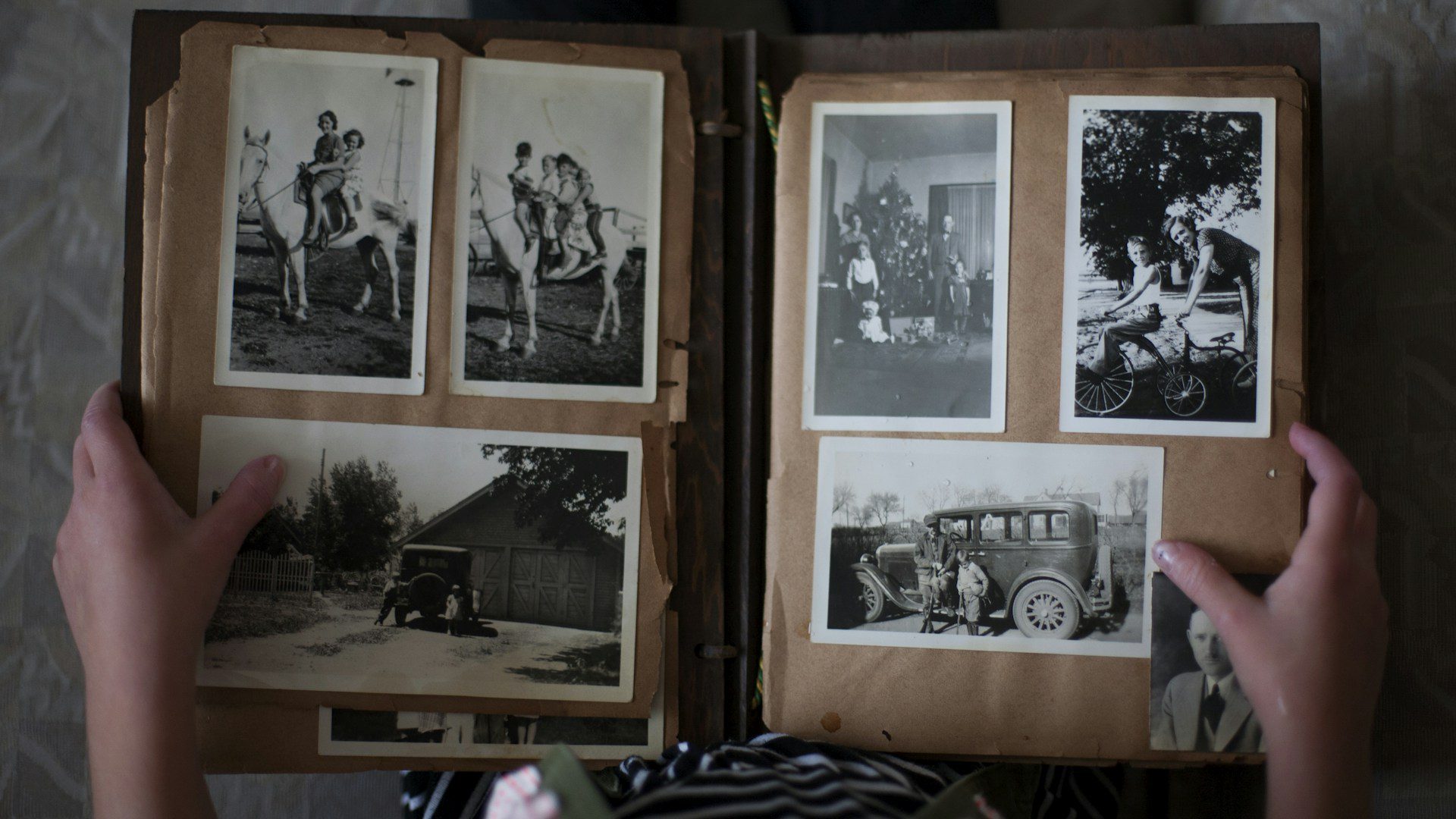
The best protection is not a price tag. It is a written list of who got what, kept from the first day.
Fairness Is About Process, Not Price
Parents often worry about making every gift equal in dollar value. That is hard to do, and it misses what most children care about. Adult kids tend to remember whether they were included, whether they were asked, and whether the choices felt open.
A grandmother’s china may be worth little at resale and still mean the world to a daughter. A watch may sell for a lot and mean nothing to a son who never wore one. Value on paper and value in the heart are different things.
Start A Written List On Day One
Take a notebook or a simple spreadsheet and record every item that moves. Write the item, the date, who received it and any note about why, such as “Mom wanted Anna to have this.” Keep it somewhere the parents and children can all see.
Memory fades fast, especially after years of passing things along. A list settles arguments years later, when someone swears they never received the piano bench or the quilt.
Ask Every Child What They Would Like
Before anything moves, ask each adult child to name the items they would truly love. You may be surprised. The thing you assumed was a family treasure might not interest anyone, and the item you almost donated might be the one a grandchild asks for.
Ask all the children at the same time, in the same way, so nobody feels like a second choice. If two people want the same item, you have a conversation to have, and it is far easier to have it now than after the parents are gone.
When Two Kids Want The Same Thing
Some families take turns choosing, one item at a time, with the order drawn at random. Others let the child with the strongest connection keep the item and offer the other something of similar meaning. Some set a rule that anything contested is put aside for a family talk.
Whatever approach you choose, explain it ahead of time and apply it to everyone. The method matters more than the outcome, because people accept results they helped design.
Do Not Forget The Kids Who Live Far Away
The child who lives nearby often ends up with more, simply because they are around when things are being cleared out. That is natural, and it can quietly cause hurt feelings.
Include distant children through photos and phone calls, and offer to ship what they choose. A list that shows they were asked and considered goes a long way.
Sentimental Items Cause More Fights Than Money
Families rarely fall out over the checking account. They fall out over a recipe box, a wedding ring, a hand-me-down quilt or Dad’s tools. These items carry stories, and everyone wants a piece of the story.
Consider writing a short note for the most meaningful items, saying where each came from and why it matters. A quilt with a note attached becomes a gift that holds a family history.
Check With A Lawyer About Bigger Gifts
Handing over household goods is one thing. Giving away larger assets, such as a car, jewelry of real value or property, can carry legal and tax consequences that depend on your state and your situation. Gifts made years before a long-term care need can also matter for Medicaid eligibility, which looks back over a period of years.
An estate planning or elder law attorney can explain what applies to you. Many states let you attach a written list of personal property to your will, but the rules differ, so ask a professional how to do it properly where you live.
To learn how Medicaid’s look-back rules work in general, start at Medicaid.gov, then confirm the details for your state with an attorney.
A Simple Plan For Fair Giving
- Start a written list and record every item as it moves.
- Ask each child what they would love, all at the same time.
- Agree on a method for items two people want.
- Include faraway children, and ship what they choose.
- Write short notes for the most meaningful pieces.
- Talk to an attorney before giving larger assets.
Giving while you are alive is a gift of its own. You get to see the joy on a child’s face, and you get to tell the stories behind each piece.
The List Is The Gift That Keeps The Peace
Downsizing is hard enough without a family quarrel at the end. A written record, an open conversation and a fair method protect both the belongings and the relationships.
When everyone can see who got what and why, nobody has to wonder. That is what fairness looks like in a family, and it takes a notebook, a pen and an honest talk at the kitchen table.
More Stories You May Like
- Comedian Plays A Kid Dropping Last Minute School Demands Like Decorating For A Narnia Dance And Parents Swear Their Own Kids Do It Too
- Mom Gives Her Kids Only Five Christmas Gifts Each, Want Need Wear Read And Learn, And Skips Gifts For Her 11 Week Old Altogether
- Mom Of Three Says Gentle Parenting Is For Gentle Children, Refuses To Get Down On Their Level, And Sends A Company Wide Email, Everybody Put Your Shoes On