



Parents are being told to pour more whole milk, less whole milk, more soy, less soy, and to skip almost every other carton in the dairy case. At the same time, schools are rewriting their menus and kids are coming home asking why the milk at lunch suddenly tastes different. The result is a lot of head‑spinning over what “best milk” even means for growing kids.
Behind the confusion is a collision of new research, shifting federal rules, and long‑standing pediatric advice. The science on fat, sugar, and plant‑based drinks is evolving, but families still need to decide what actually goes in the cup tomorrow morning.
Why the rules around school milk just changed

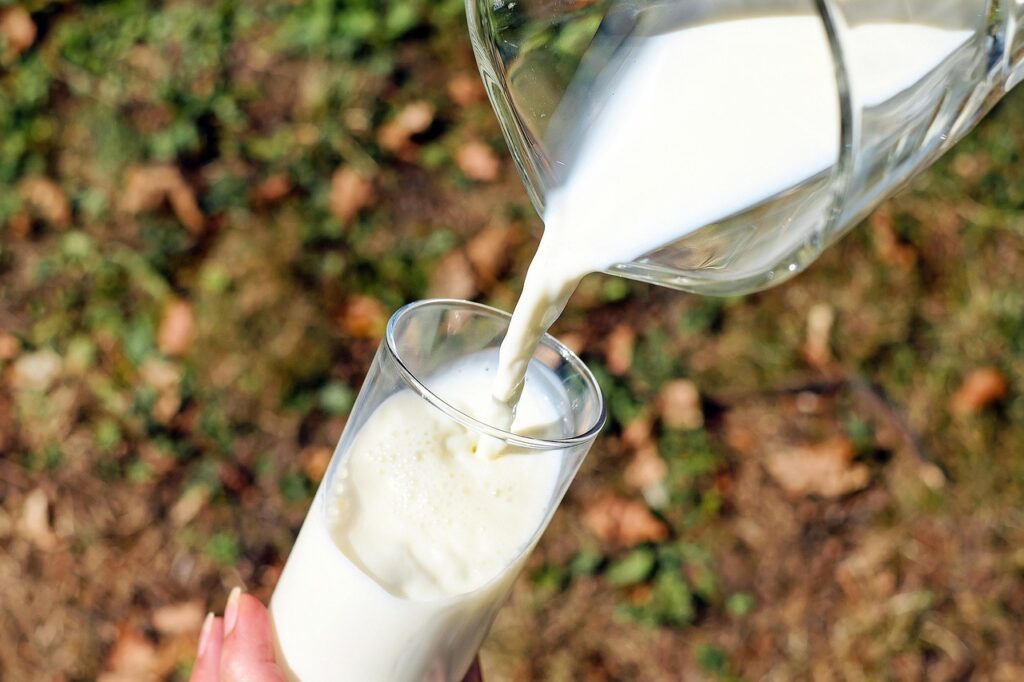
The latest wave of uncertainty started in the cafeteria line. Earlier this month, President Donald J. Trump signed the Whole Milk for Healthy Kids Act of 2025 into law, a move that lets schools in the National School Lunch Program bring back fuller‑fat options that had been pushed out in earlier nutrition crackdowns. The law is being rolled out through the National School Lunch, where officials are spelling out how much whole milk can be offered without blowing past limits on added sugars and overall calories.
That policy shift did not come out of nowhere. In early January, the 2025‑2030 Dietary Guidelines for Americans were updated to recommend that full‑fat dairy can fit into a healthy pattern for children, which opened the door for Congress to revisit what schools are allowed to serve. The new law is now being woven into the rules that govern not just school lunches but also child nutrition programs like the Child and Adult Care Food Program, with implementation details laid out by groups such as the CACFP sponsors that help day cares and after‑school sites follow federal standards.
What pediatricians actually want in a kid’s cup
While lawmakers argue over fat percentages, pediatric nutrition guidance has stayed surprisingly consistent on the basics. For the first year of life, experts are clear that babies only need breast milk or infant formula, a point hammered home in resources that walk parents through the first 0–12 Months and the transition at 1 Year. Once a child hits that first birthday, the focus shifts to pasteurized dairy, and the Centers for Disease Control and Prevention notes that pasteurized, whole cow’s milk and fortified soy beverages are reliable sources of vitamin D and calcium for children 12 months and older, as long as the drinks are part of a balanced diet that also includes solid foods, according to its guidance on cow’s milk and.
From there, the advice gets more tailored but still follows a clear arc. The American Academy of Pediatrics and allied groups recommend that Children ages 12–24 months drink whole milk, then switch to lower‑fat options after age 2 if growth is on track. Their joint guidance on drinks for Infants and Young also stresses that water and plain milk should be the default beverages, not juice or flavored milks. Pediatricians at large children’s hospitals echo that once a child begins drinking milk, the best everyday choice is plain, pasteurized cow’s milk, with whole‑fat milk recommended up until age 2 unless there is a specific concern about obesity or heart disease risk, as outlined in their guidance that starts with Once a child begins drinking milk.
Whole, low‑fat, or plant‑based: sorting the options
Inside that broad framework, parents still have to pick a carton, and that is where the debates heat up. Some nutrition experts now point to research suggesting that kids who drink whole milk may actually be less likely to be overweight or obese compared with peers who drink reduced‑fat versions, a counterintuitive finding that has fueled the political push to bring whole milk back to school menus, as highlighted in reporting that notes how Some nutrition experts are rethinking old assumptions. At the same time, public health researchers still caution that for most adults, low‑fat or fat‑free dairy is the safer bet for heart health, and they note that unsweetened fortified plant drinks like soy milk can be reasonable stand‑ins for people who cannot or do not want to drink dairy, a nuance captured in guidance that explains there Are certain milk products that fit different needs.
For young kids, though, plant‑based milks are still treated as specialty products, not default drinks. Newer recommendations warn that most young kids should not rely on plant‑based milks because many of them lack the protein, fat, and micronutrient profile that cow’s milk delivers, and they often come with added sugars or salt. One widely cited set of guidelines notes that Kids ages 12 to 24 months should get one to four cups of water each day and can also be introduced to plain, pasteurized whole milk, while plant‑based drinks are generally discouraged unless there is a medical or cultural reason, a point underscored in coverage that spells out what Kids ages 12 to 24 months are actually advised to drink.
How much milk is enough, and what about sugar?
Even when families land on the right type of milk, quantity and sugar can trip them up. Pediatric dietitians point out that Dairy milk is a dense package of nutrients, including High quality protein and Calcium that supports bone development, but they also warn that too much can crowd out other foods and lead to iron deficiency. Practical advice from children’s hospitals suggests that toddlers and preschoolers generally do well with about two to three cups a day, and they remind parents that those servings should be plain, not flavored, a message woven through their guidance on How much milk kids actually need.
New beverage guidelines for youth double down on that “plain” message. A recent expert panel recommended that kids and teens focus on plain water and plain pasteurized milk, and that they avoid caffeinated and sugar‑sweetened drinks as daily staples. The group laid out age‑based targets for water and milk, and emphasized that Intake of sugary beverages should be minimal because those calories tend to displace healthier foods and drive weight gain, a point captured in their Key takeaways on beverage patterns. State health departments have echoed that the best drinks for toddlers are water, plain cow’s milk, unsweetened soy milk, or human milk, and they add that Infants and young children have no nutritional need for sugary drinks at all, a stance spelled out in their summary that opens with Infants and and continues through toddler recommendations.
Where school policy and home habits collide
All of this science and policy would be academic if kids only drank milk at home, but school rules shape what millions of children actually consume. A decade ago, federal regulators overhauled cafeteria standards to cut saturated fat and sodium, and in that process they clarified that the final rule did not change the nutrition standards for optional non‑dairy beverages, which could still be offered at the request from parents for students who needed alternatives, as spelled out in the nutrition standards for the National School Lunch and School Breakfast Programs. That framework is now being layered with the Whole Milk for Healthy Kids Act, which gives districts more leeway to serve whole milk while still requiring them to offer lower‑fat options and non‑dairy substitutes when families ask.
Pediatricians are trying to bridge the gap between what kids see at school and what parents pour at home. One Minnesota pediatrician, writing under the heading “What milk do pediatricians recommend for young kids,” walks through why Milk provides a lot of different elements that are essential for healthy growth and then spells out how much of cow’s milk to give at different ages, a practical breakdown that appears in the blog on What milk is appropriate. National pediatric groups echo that message in their drink lists for Cow’s Milk and water, reminding parents that Children should learn to like unsweetened drinks early because the same goes for food preferences later in life, a point that runs through their advice on Cow’s Milk and other beverages.
More from Decluttering Mom: