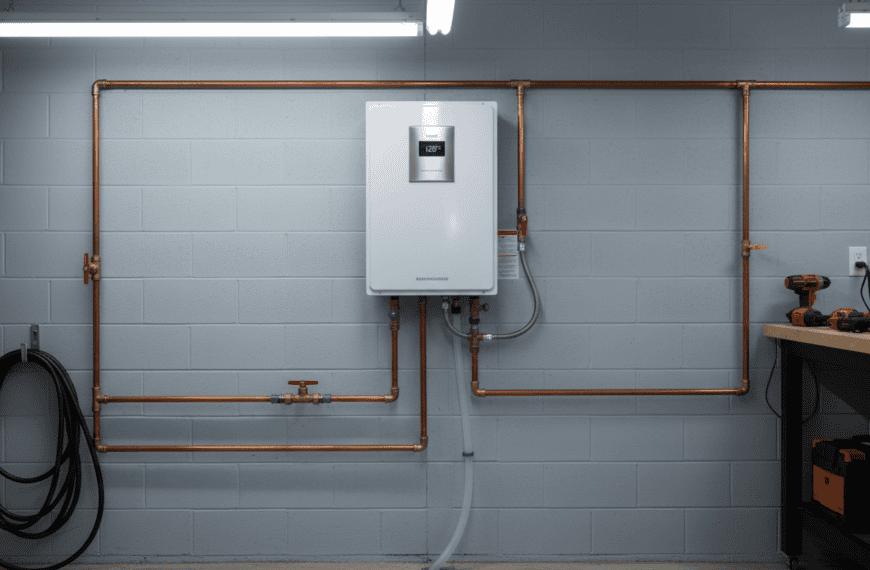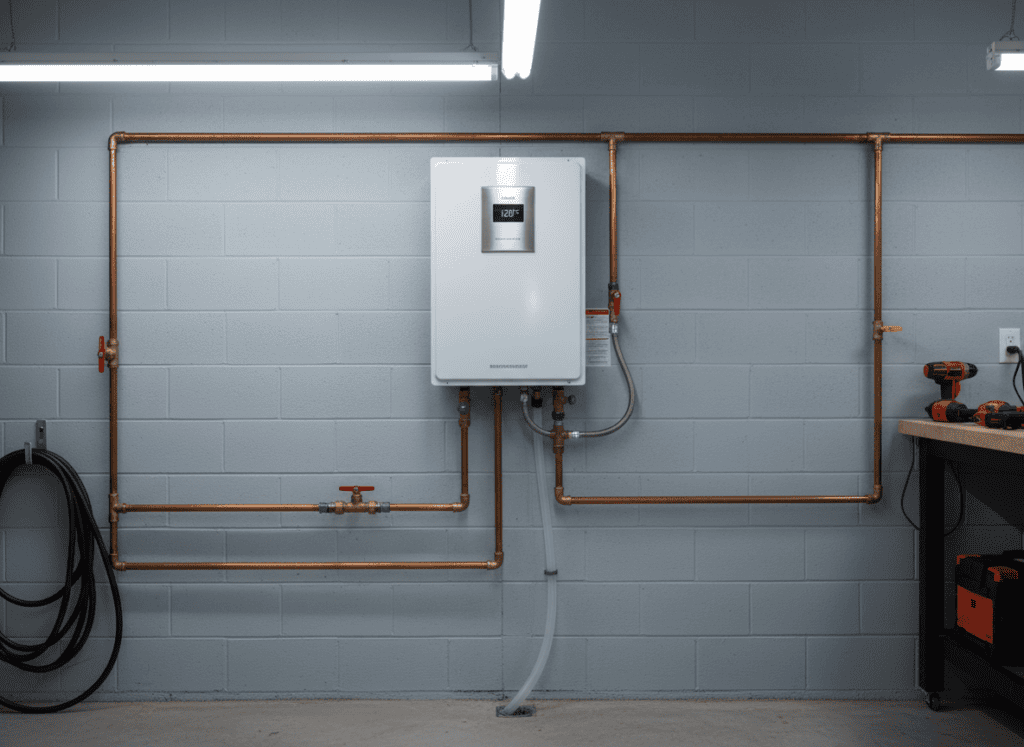
A whole-house standby generator costs about $5,160 installed on average, according to Angi’s contractor pricing data, while a portable generator typically runs somewhere between $500 and $2,000. That puts the real-world gap closer to two-and-a-half to ten times the price, depending on the size of the portable unit being compared, and it’s the reason so many homeowners default to the cheaper option after a bad storm. But the math misses the part that actually matters during a multi-day outage: only one of these two machines is built to keep a house fully running for as long as the power stays out.
What the Money Actually Buys
Angi’s data, echoed by HomeAdvisor’s cost guide, breaks the range down by capacity. Small portable units in the 1 to 6 kilowatt range run $500 to $1,800 and can keep a refrigerator, some lighting, and a phone charger going. Standby systems sized for a full home, generally 20 kilowatts and up, run $5,000 to $25,000 installed once labor, a concrete pad, an automatic transfer switch, and permits are factored in. HomeAdvisor’s breakdown shows installation labor alone typically adds $1,500 to $5,000 on top of equipment costs, which is often the part homeowners underestimate when comparing sticker prices online.
The Multi-Day Outage Is Where the Difference Shows Up
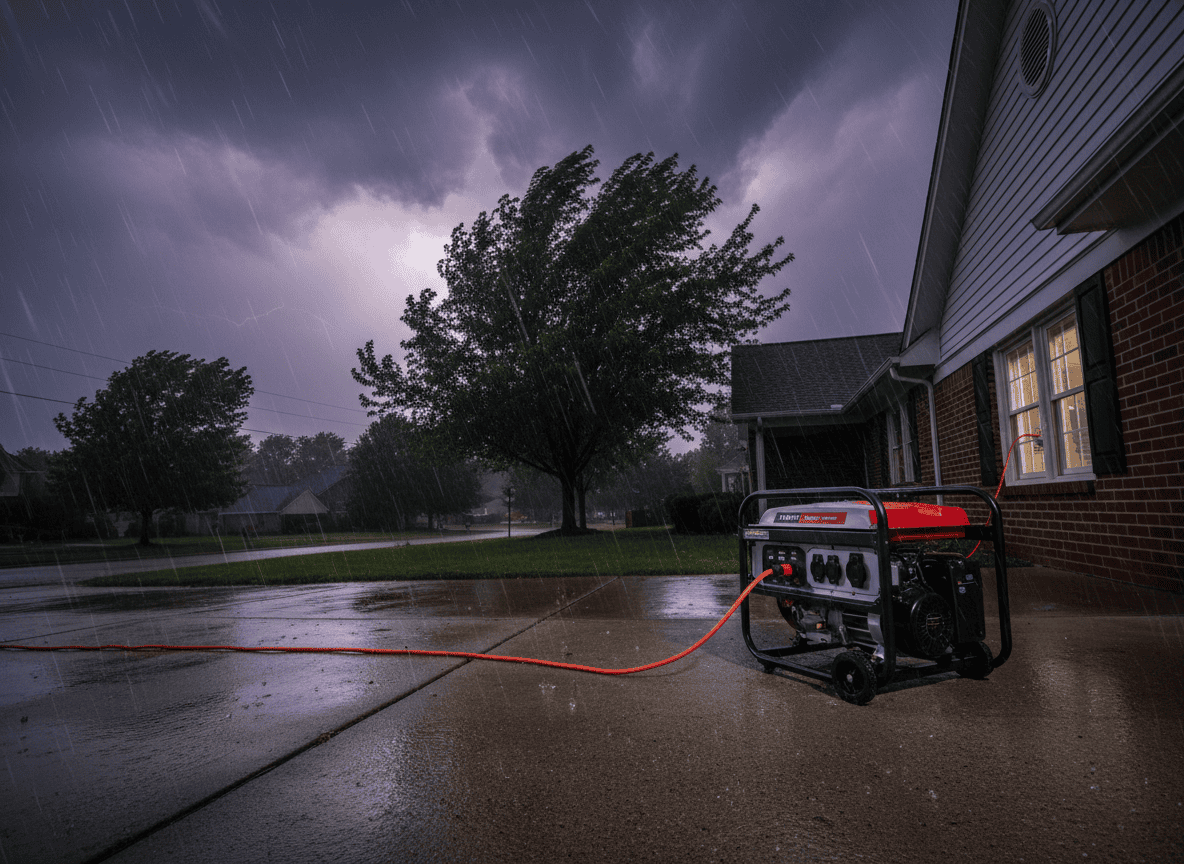
A portable generator can absolutely get a household through a few hours or even a full day without power, assuming someone is home to run it. That’s the catch. Portable units require manual startup, need to be refueled every several hours depending on load, and have to be positioned outdoors, away from windows and doors, to avoid carbon monoxide buildup indoors — a hazard that sends people to emergency rooms every hurricane season. None of that is manageable while a family sleeps, works, or leaves the house for supplies.
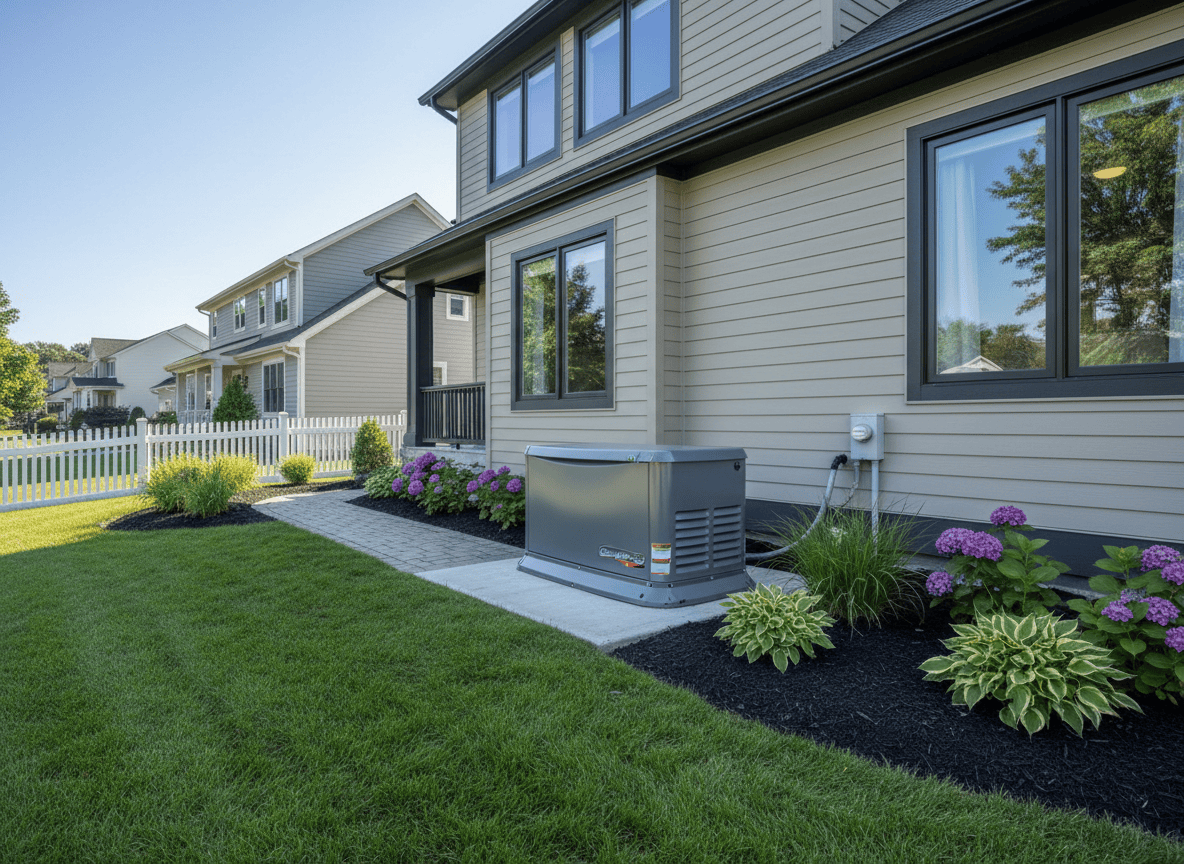
A standby generator solves all of that by design. It’s wired into the home’s electrical panel through an automatic transfer switch, runs on natural gas or a large propane tank instead of gas cans that need refilling, and switches on within seconds of an outage whether anyone is home or not. For a multi-day event — the kind that follows a hurricane, an ice storm, or a wide-area grid failure — that automation is the difference between a minor inconvenience and days of spoiled food, no heat or air conditioning, and, for anyone relying on medical equipment, a genuine safety risk.
Fuel Logistics Are the Hidden Cost Nobody Budgets For
Here’s where the portable option’s price advantage quietly erodes. A portable generator running a partial load can burn through 10 to 20 gallons of gasoline a day. During a widespread outage, gas stations are often closed or have hours-long lines, assuming their own pumps have power. Multiply that fuel demand across a three or four day outage, and a homeowner can end up spending significant time and money just keeping the unit fed, on top of the upfront purchase price. Standby units connected to a home’s existing natural gas line sidestep this entirely, drawing fuel from the same utility connection that heats the house, with propane-fed models needing only an occasional tank refill scheduled well before storm season.
Deciding Which One Actually Fits Your Situation
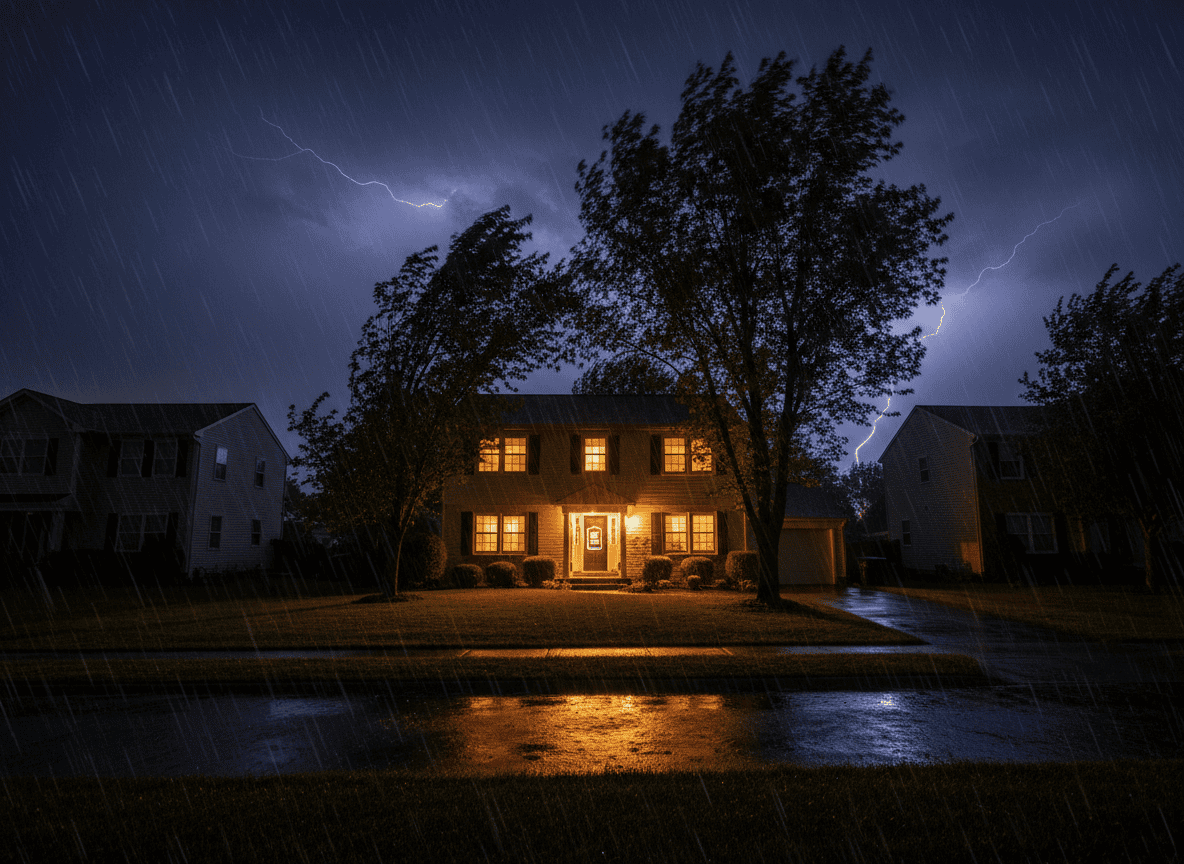
The right choice really does depend on what kind of outages a household actually experiences. In regions with occasional short outages — a downed line here, a brief grid hiccup there — a portable unit covering the essentials is often perfectly reasonable, and a fraction of the cost. In regions prone to hurricanes, ice storms, or wildfire-related grid shutoffs that can knock out power for three days or more, the calculus shifts. The upfront cost difference between $1,000 and $10,000-plus is real money, but so is a freezer full of spoiled food, a sump pump that fails during a flood, or a medically fragile family member going without climate control in July heat.
Homeowners weighing the purchase are best served by being honest about their region’s outage history rather than their region’s average weather. A single bad storm season can make the case for a standby system faster than any brochure, and by then, installation crews are typically booked out for weeks.