

For most of the summer, grocery prices barely moved, and some months they even slipped a little. Then October came.

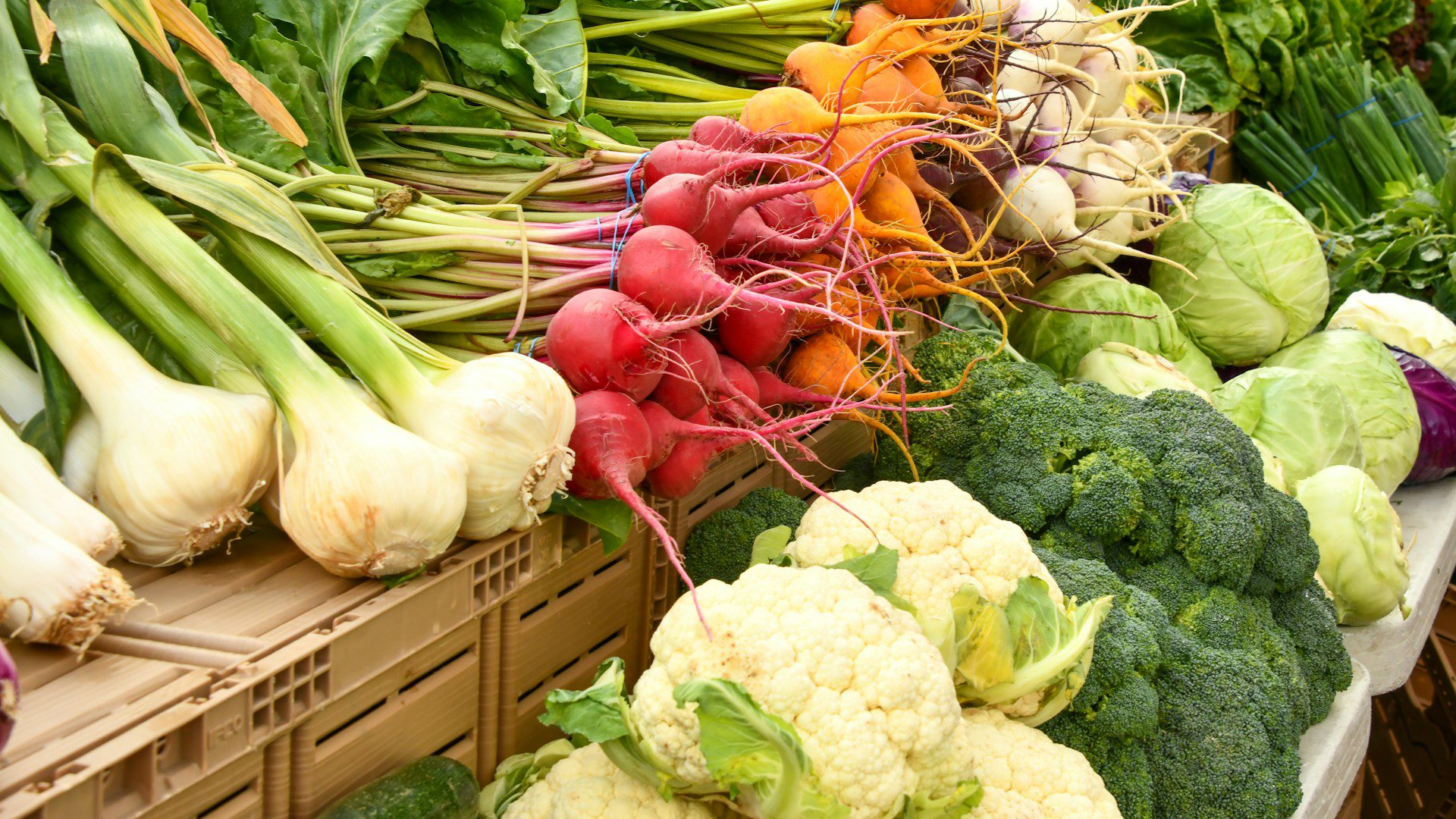
According to @SuttonsDaze, a pantry preparedness channel run by a woman named Lisa, wholesale vegetable prices jumped almost 27% in October, on top of a jump of almost 31% in September. Fresh and dry vegetables are now about 36% higher than they were a year ago.
The reasons she gives are crop disease in California, warm weather, insect trouble, and the higher cost of fuel and fertilizer.

Wholesale Food Prices Had Their Fastest Monthly Rise Since July 2022
The Bureau of Labor Statistics report for October showed grocery prices up 4/10 of 1% in a single month, right after a small drop in September. On a $100 trip that is about 40 cents, but an economist did the math: at that pace every month for a year, it adds up to about 5%.
Snack foods rose a full 1%, the biggest mover. Beef was up 9/10 of a percent, with steak up nearly 2%. Dairy rose 6/10 of a percent, and fruits and vegetables rose 6/10 of a percent, with fresh vegetables up more than 2% on their own.
Three days later came the wholesale report, which measures what farmers, processors and truckers charge before food reaches the store. Wholesale food rose 1 and 3/10 of a percent in October, the fastest monthly increase since July of 2022. Wholesale processed chicken jumped nearly 11%, while wholesale pork fell almost 6%. Trucking freight rose nearly 4% in the month and is up almost 25% in a year.
Why does the wholesale number matter at the register? Price increases at the front of the supply line take weeks, sometimes months, to reach the shelf. She compares the wholesale report to weather radar: it cannot tell you the rain has reached your house, but it shows the storm headed your way. Stores also do not pass along every penny.
An Economist Says Grocery Prices Keep Climbing Into Early 2027, And He Gave Four Reasons
This week a professor of agribusiness at Cal Poly who studies food prices told a grocery industry briefing that he expects prices to rise faster than average at least into early 2027. It would surprise him to see food prices flatten or fall over the next 4 to 5 months, he said, and he named rice, coffee, cocoa and palm oil, which hides in baked goods, crackers and cereal.
Reason one is diesel, which hit a record national average of about $6 a gallon in September. It has fallen three weeks in a row to about $5.94, still more than $2 a gallon above last year. Reason two is the freight cost jump. Reason three is El Nino, which NOAA said on November 12th is still strengthening, with about a 60% chance of becoming the strongest in records going back to 1950. Reason four is fertilizer and fuel costs pushed up by the conflict in the Middle East.
The World Bank expects world food commodity prices to finish the year up about 10% and rise another 7%, though she stresses that is the raw ingredient market and not the grocery bill. A United Nations food agency flagged rice, sugar and vegetable oil as getting tighter.
There is another side. The USDA’s October forecast calls for grocery prices to rise about 2.3% in 2026 and only about 1% in 2027, but it was built on September’s small increase before October’s jump arrived. Meanwhile the Farm Bureau says its Thanksgiving dinner for 10 costs $58.63 this year, up 6% and about 8% below the 2022 record.
Not Everything Is Going Up, And The Bargains Are Where The Opportunity Is
Wholesale pork is down almost 6%, wholesale cheese runs about 15% below last year, butter is very cheap, wholesale eggs are less than half of last year, and wheat and corn have drifted lower. In her words, a smart pantry gets ahead of what is climbing and stocks up on bargains while they last.
Her plan is simple. Take one food your household eats, figure out what you really use in a month, and multiply by five, since the economist’s window is four or five months. If you go through 4 pounds of rice a month, a 20 pound bag covers it.
She adds two rules. Only buy what you already eat, and never go into debt for groceries going on a shelf, because credit card interest eats every penny you saved.
Her Eight Foods To Stock Before January, And Three To Wait On
Rice tops her list. Since NOAA declared this El Nino in June, she says the price of rice on the US market is up about 50%, and white rice stored airtight with oxygen absorbers keeps 25 years or more. Brown rice goes rancid, so plan on about 6 months unless frozen.
Beef is next. Ground beef has run about $6.75 a pound after a record $6.92 this summer, yet wholesale boxed beef has dropped five weeks in a row, so she says to buy sales for the freezer and stretch it with cooked lentils. Then comes canned and frozen vegetables, since corn, green beans and peas are as low as 50 or 60 cents a can this Thanksgiving week and keep 2 to 5 years on the shelf.
Chicken and turkey follow. Some shoppers found turkey for as low as 69 cents a pound, and a frozen turkey stays safe as long as it stays frozen. After that, crackers and cereal, where store brands now make up almost 24% of sales, then flour, sugar and shortening at their best prices of the year, then pork before Christmas, and finally butter and cheese, which freeze for a year and about 6 months.
The three she would wait on are coffee, which is at a 4 month low on the world market, chocolate, with supplies at a two and a half year high, and eggs, which are still a bargain. She says to watch the day after Christmas for chocolate clearance.
What To Watch Next
The USDA updates its food price forecast on November 24th, the first to include October, and the November grocery numbers arrive in mid December. She also asked viewers to share what jumped in price at their store this month.
More Stories You May Like
- Grocery Bills Rose 0.4% In October, Beef Jumped 0.9% And Gas Climbed 1.0%, While Rent Barely Moved With A 0.2% Increase
- Family Of 14 Spends Its Whole Monthly Grocery Budget In One Week, A $3,650 Haul Split Between Costco, Sam’s Club And Aldi, Then Tries To Stretch It All November
- Grocery Prices Rose 0.4% In One Month, The Biggest Jump Since April, With Lettuce Up Almost 8% And Fresh Vegetables Up Over 2% While Coffee Dropped About 3.5%