


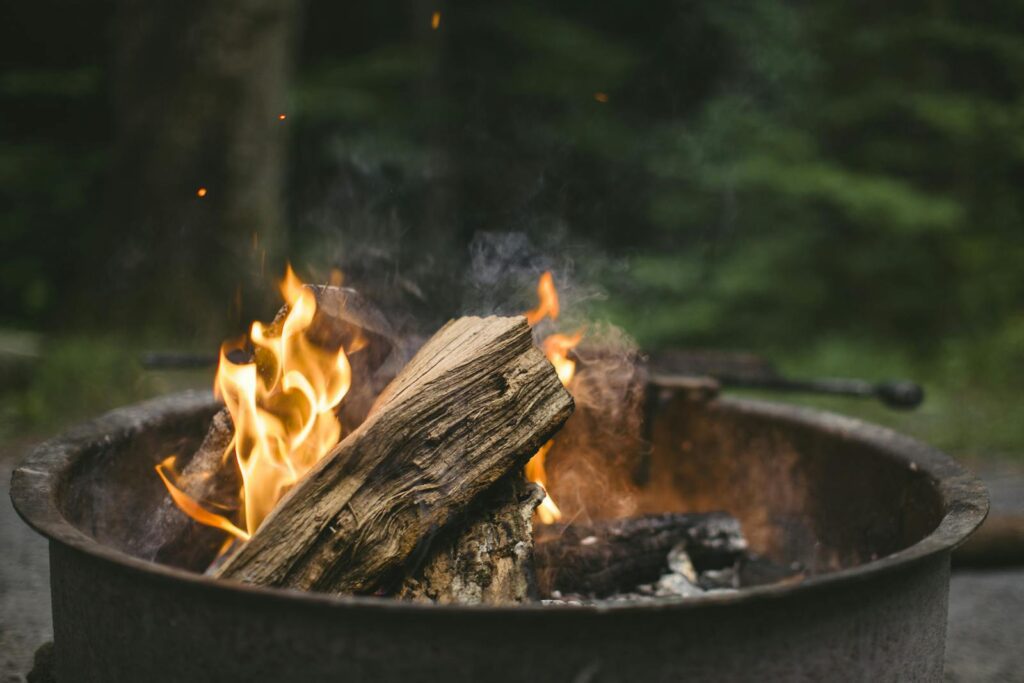
You might enjoy backyard fires, but many cities are tightening rules because smoke worsens air quality and raises health and safety risks for neighbors. Local governments are acting to limit backyard burning to protect public health, reduce wildfire risk, and enforce air-quality laws.
They’ll cover how ordinances and air-quality concerns drive these changes and what that means for typical homeowners. Expect clear steps for staying legal and safer, plus alternatives that keep outdoor gatherings without the smoke.

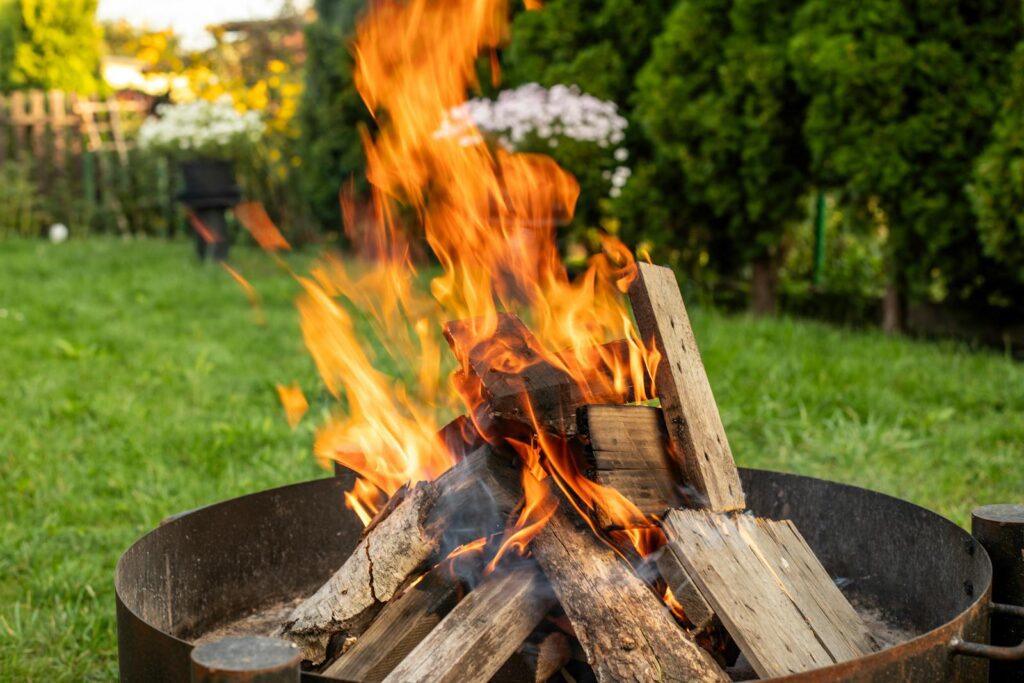
Why Are Cities Increasing Restrictions on Backyard Burning?
Cities face mounting pressure from measurable air pollution, direct health impacts, frequent neighbor complaints, and shifting local policies that tighten permits and ban certain open burns. Officials now weigh data on particulate matter, ozone precursors, and toxic byproducts against public-safety and nuisance concerns.
Rising Air Quality Concerns
Local air monitors show spikes in fine particulate matter (PM2.5) and smoke-related pollution on days when many residents burn yard waste or use burn barrels. These particles travel beyond property lines and can push neighborhoods into an air quality alert, prompting short-term restrictions from agencies that track regional ozone and particulate levels.
Wood smoke from backyard burning also emits nitrogen oxides (NOx) and carbon monoxide (CO), which contribute to ozone formation and worsen urban smog on warm days. Cities use these measurements to justify seasonal or permanent limits on recreational burning and open burning that were once allowed.
Public Health Risks of Particle Pollution
Health departments point to fine particles (PM2.5) as the main reason for stricter rules; these particles penetrate deep into lungs and enter the bloodstream. Short-term exposure increases asthma attacks, hospital visits for heart and lung conditions, and aggravates chronic illnesses, while repeated exposure raises long-term cardiovascular risks.
Combustion of mixed household waste and treated wood can release dioxins and other toxic compounds, increasing cancer and developmental concerns, so officials often treat backyard burning differently than clean recreational fires. That distinction drives bans on burning trash and limits on what can be smoked or burned outdoors.
Growing Complaints and Environmental Impact
Fire departments and city planners receive rising numbers of neighbor complaints about nuisance smoke, odor, and reduced visibility. Those complaints often cite smoke infiltration into homes, triggering allergic and respiratory symptoms for children and older adults.
Beyond local nuisance, cumulative backyard burning contributes to regional air-pollution loads and degrades visibility in parks and scenic areas. Municipalities increasingly view small-scale burns as avoidable sources of pollution compared with composting, municipal yard-waste programs, or chipping.
Policy Shifts and Permit Requirements
Municipalities and states have tightened regulations by expanding Urban Growth Area bans, requiring an open burn permit for agricultural or land-clearing fires, and prohibiting backyard trash burning outright. Some jurisdictions now link permit approval to current air quality conditions, revoking permissions during air quality alerts.
Cities also differentiate recreational fires—carefully built fire pits for cooking or ceremony—from uncontrolled burn barrels or bonfires. Authorities may allow recreational burning under specific equipment, setback, and fuel rules while outlawing burn barrels and mixed-waste fires to reduce dioxin and particulate emissions.
What Residents Need to Know and Do
Residents should prioritize smoke-free options, follow local rules on open burning and permits, and keep records (photos, dates) for disputes or complaints. Practical steps include replacing burn barrels with covered compost or municipal yard-waste services, and checking whether front yard vegetable gardens need documentation to avoid enforcement.
Safer and Cleaner Alternatives to Backyard Burning
They should stop using burn barrels for leaves, brush, or garden waste when possible. Covered compost systems break down yard waste without smoke and produce usable soil for a front yard vegetable garden or frugal gardening projects.
If composting isn’t feasible, many cities offer curbside yard-waste pickup or municipal drop-off sites that accept branches and leaves. Renting a chipper or hiring a certified mulch service turns prunings into usable mulch instead of wood smoke.
For occasional large removals, a licensed green-waste hauler or a special municipal cleanup day avoids the need for an open burn permit. They should also check local fire-safe rules before using any outdoor fire appliance.
How Burning Impacts Neighborhoods and Gardens
Wood smoke contains fine particles that can travel and settle on nearby front yard vegetable gardens, affecting air and plant surfaces. People with asthma, COPD, or allergies often feel immediate effects; sensitive plants and pollinators can suffer too.
Smoke complaints often trigger inspections and enforcement actions, so frequent backyard burning can strain neighbor relations. Neighbors who document smoke incidents with photos, timestamps, and wind direction help authorities evaluate complaints.
Avoiding backyard fires reduces nuisance odor, lowers the chance of escaped embers starting a wildfire, and prevents ash or char from contaminating garden soil.
Navigating Local Ordinances and Staying Compliant
They must learn the exact wording of local open-burning rules and whether an open burn permit is required for yard debris. City websites or the local fire department usually publish ordinances; some towns ban burn barrels outright.
When rules are unclear, residents should call the municipal code office or fire marshal and ask what’s allowed, which days permits are issued, and the penalty schedule. Keeping documentation—photos of a compliant covered compost setup or dated receipts from a green-waste hauler—helps if a complaint arises.
If someone wants to keep a front yard vegetable garden, they should also document planting layouts and care activities to show it’s ornamental and productive rather than a code violation.
More from Decluttering Mom: