

Why these “organizing hacks” are actually a waste of time

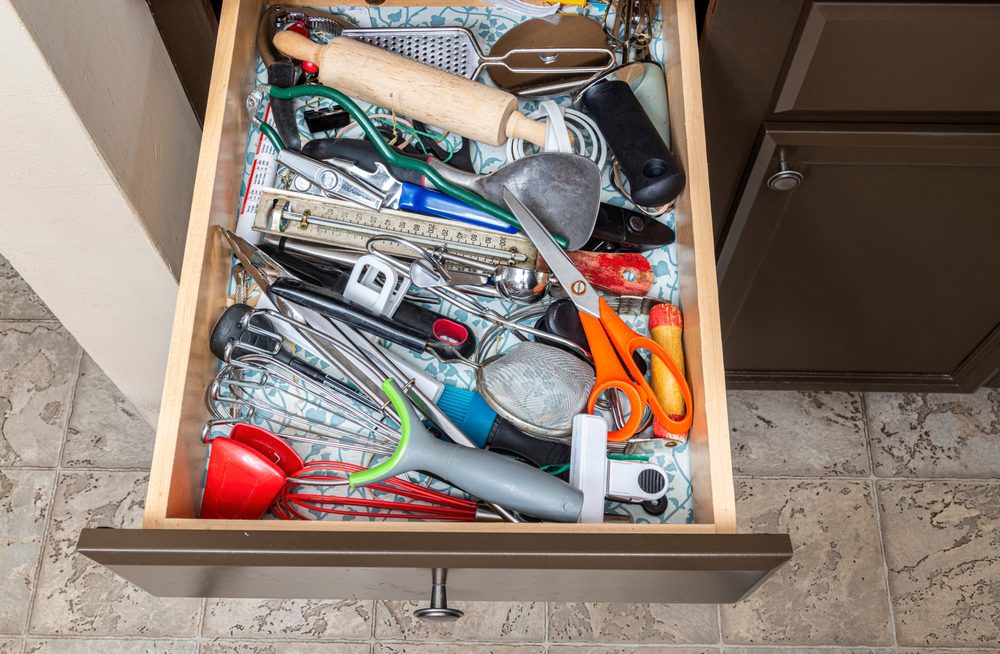
We’ve all seen the posts, the articles, the videos – “Amazing Organizing Hacks You Need to Try Now!” But have you ever stopped to consider that some of these so-called “hacks” may be more trouble than they’re worth?
After all, not everything that glitters is gold. In this post, we’re going to take a closer look at some popular organizing hacks that may be causing you more harm than good.
1. Using Small Containers to Organize Drawers

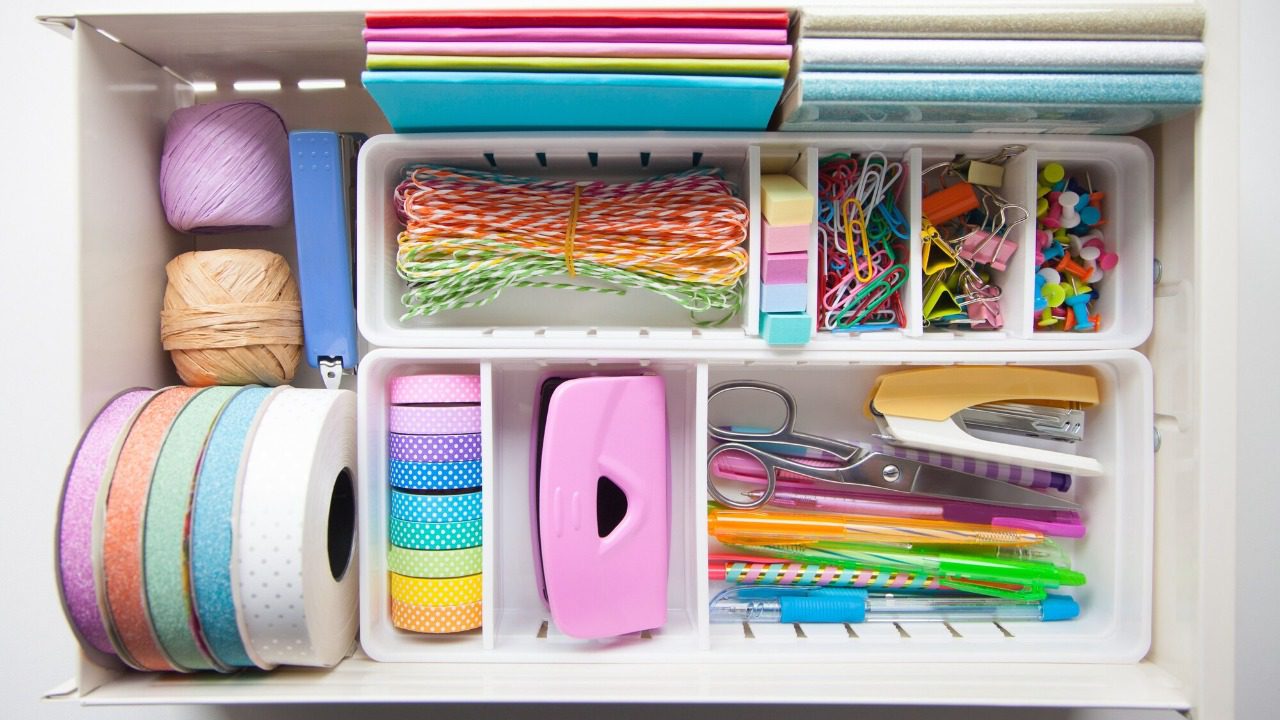
You’ve probably seen numerous articles or videos suggesting the use of small containers or dividers to organize your drawers. It seems like a great idea, right? Wrong! While these may give the illusion of tidiness, they actually waste a ton of space within the drawer itself.
Think about it: every time you place a divider or a small container in a drawer, you’re taking up valuable space that could otherwise be used for storage. Plus, maintaining these small containers and their contents can end up being a task in itself. Instead, consider using drawer organizers that fit the entire drawer. This will allow you to maximize your space and stay organized.
2. Labeling Everything
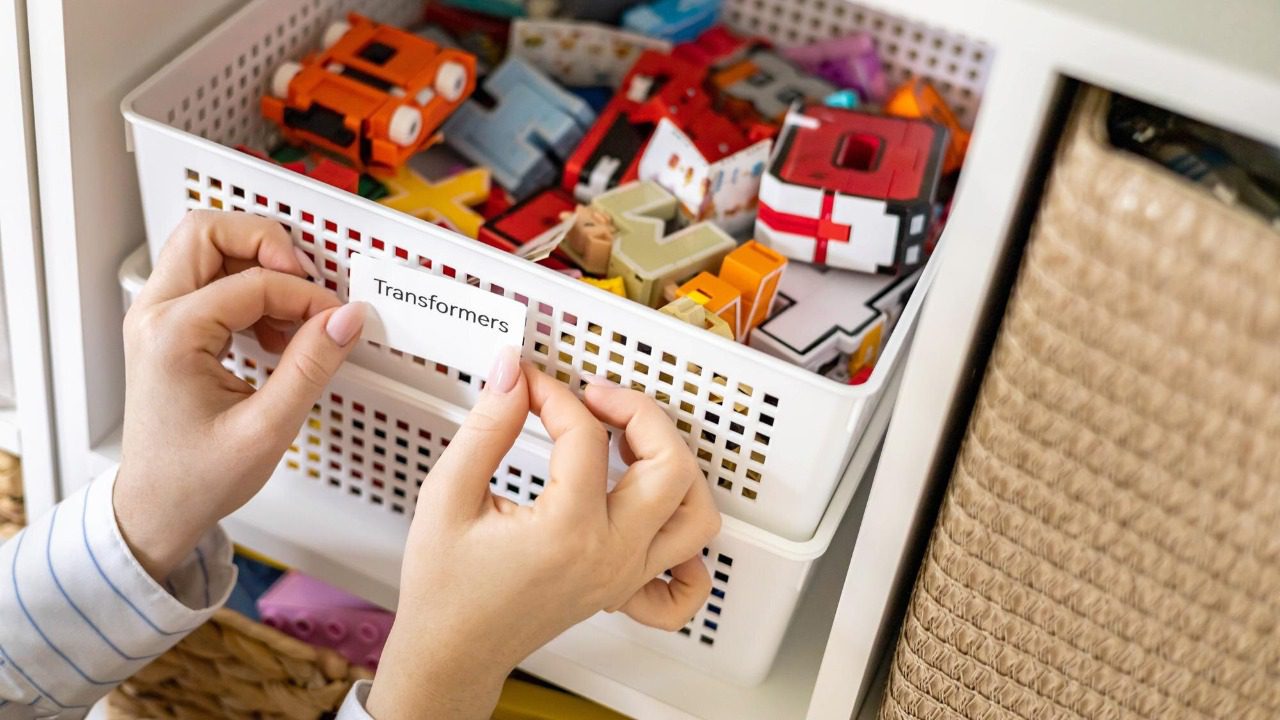
While labeling can be useful in certain situations, it’s not always the best option for maintaining organization. Labels can make your space look cluttered and noisy, particularly if you’re using different types, sizes, and colors of labels.
More importantly, labels can actually limit your flexibility. If you label a shelf “Books,” for instance, you might feel compelled to only store books there, even if you have other items that could fit perfectly. Instead of labeling everything, consider creating general zones for similar items and allowing some flexibility within those zones.
3. Over-Reliance on Storage Bins

Plastic storage bins are touted as the ultimate organizing hack. While they can indeed help keep items out of sight, they may not necessarily keep your space organized. In fact, it’s easy to just toss items into bins without any thought or organization.
A bin full of random items is hardly an organized space. Plus, these bins can take up a lot of room. Instead of relying on storage bins, try to declutter and keep only those items that you really need. For items that you do need to store, consider using clear bins or ones with a window so you can easily see what’s inside.
4. Buying More Storage Solutions

When we see clutter, our first instinct might be to run to the store and buy more storage solutions. But this can often just lead to more clutter, not less. After all, you now have more items to find space for.
Before buying new storage solutions, consider whether you can repurpose something you already have. Often, we have unused boxes, baskets, or containers that can serve as storage solutions. Plus, buying less means less waste, which is better for the environment.
5. Stacking Items Vertically
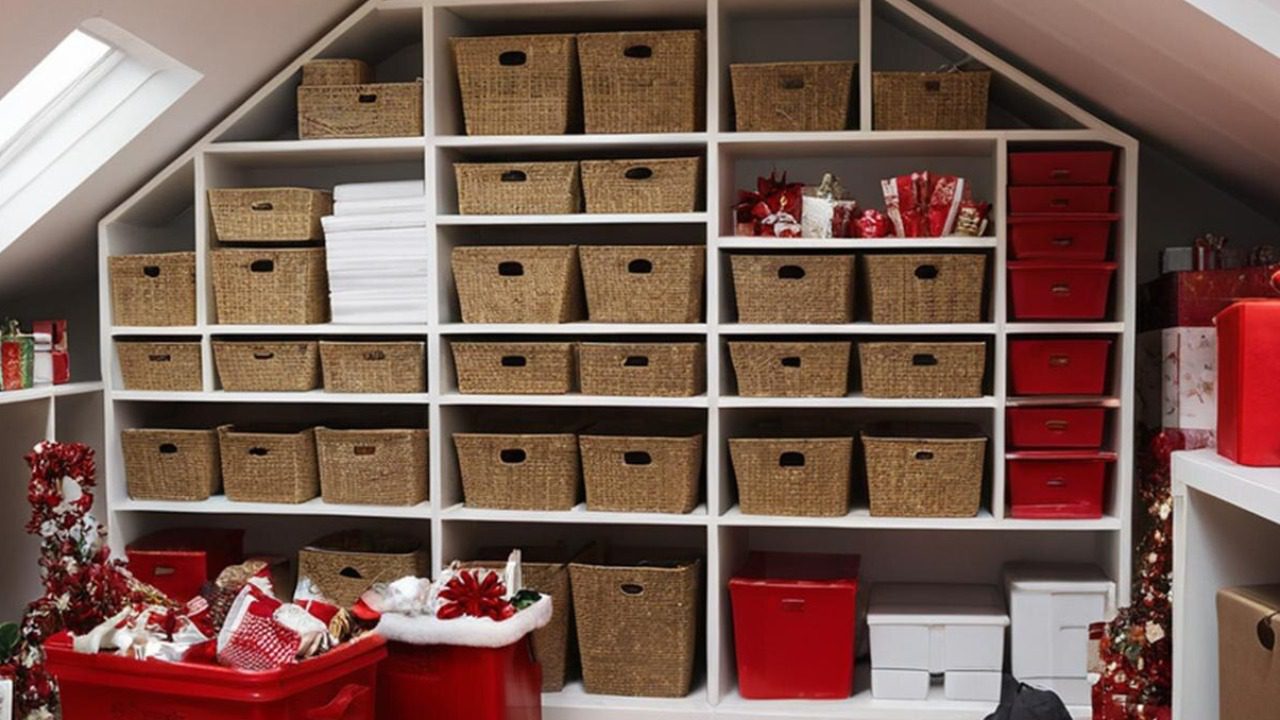
Stacking items vertically can seem like a great way to save space, but it can often lead to items being forgotten or difficult to access. If you have to move three things to get to the one thing you need, it’s not a very efficient system.
Instead of stacking items vertically, try to store items so they’re easily visible and accessible. This might mean storing items horizontally or using shelves or racks. This way, you can see everything at a glance and easily grab what you need.
6. Organizing Paperwork in Binders

While binders can help keep paperwork organized, they can also take up a lot of space and become unwieldy. Plus, it can be a hassle to hole-punch every piece of paper and file it in the correct section of the binder.
Instead of using binders, consider going digital. Many documents can be stored digitally, which saves physical space and makes it easier to find and access your documents. For those documents that do need to be kept in physical form, consider using file folders in a filing cabinet or box.
7. Using a Shoe Organizer for Everything
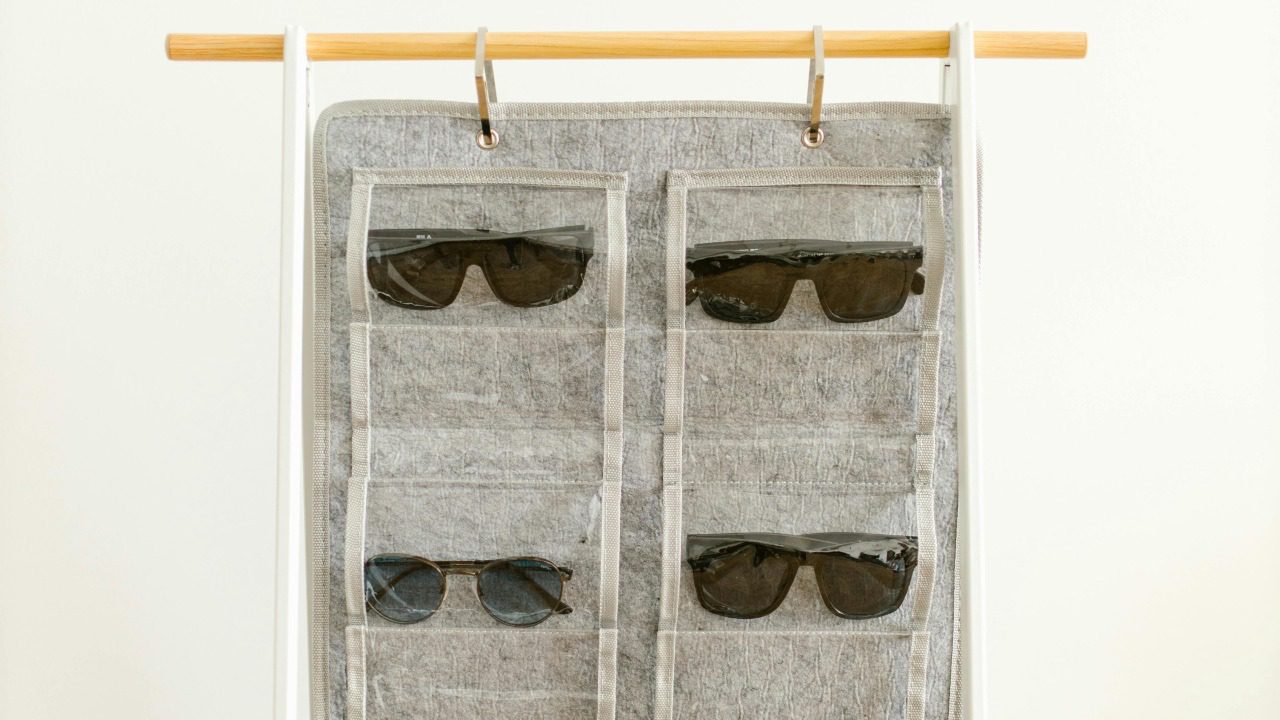
Shoe organizers are often suggested for organizing everything from cleaning supplies to craft materials. But these organizers can take up a lot of valuable door or wall space and can look cluttered.
Before turning to a shoe organizer, consider whether there might be a better solution. Maybe your cleaning supplies could be stored in a caddy under the sink, or your craft materials could be put in a rolling cart. Always consider the best use of your space before deciding on a storage solution.
8. Using Fancy, Matching Containers

While matching containers can look aesthetically pleasing, they’re often not the most practical solution. They can be expensive, and they may not be the right size or shape for your items.
Instead of buying fancy containers, consider using what you have. Old jars, boxes, or cans can be just as effective, and they’re free! Plus, reusing these items is a great way to reduce waste.
9. Making an “Everything” Drawer
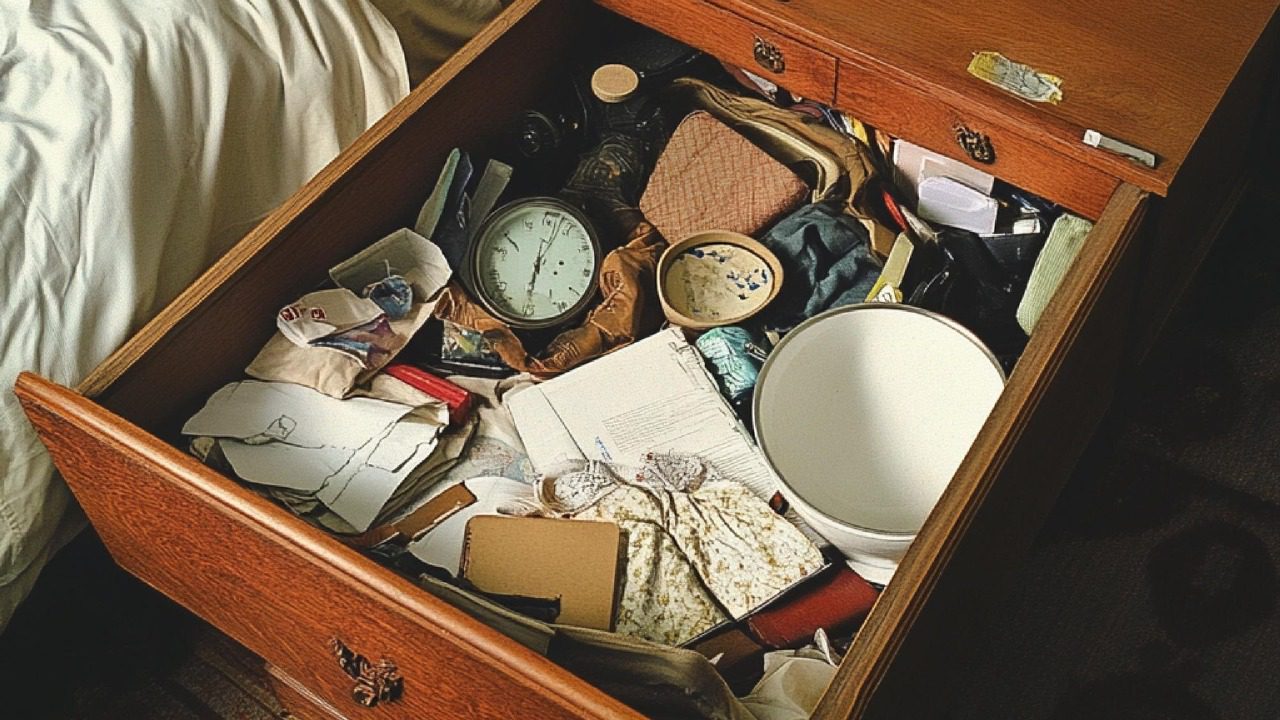
An “everything” drawer can seem like a good solution for miscellaneous items, but it can quickly become a dumping ground for clutter. It’s easy to toss items in the drawer and forget about them.
Instead of an “everything” drawer, try to find a specific place for each item. If you can’t find a place for it, consider whether you really need it. Having specific places for items makes it easier to find what you need and keeps your space looking tidy.
10. Using Wire Shelves

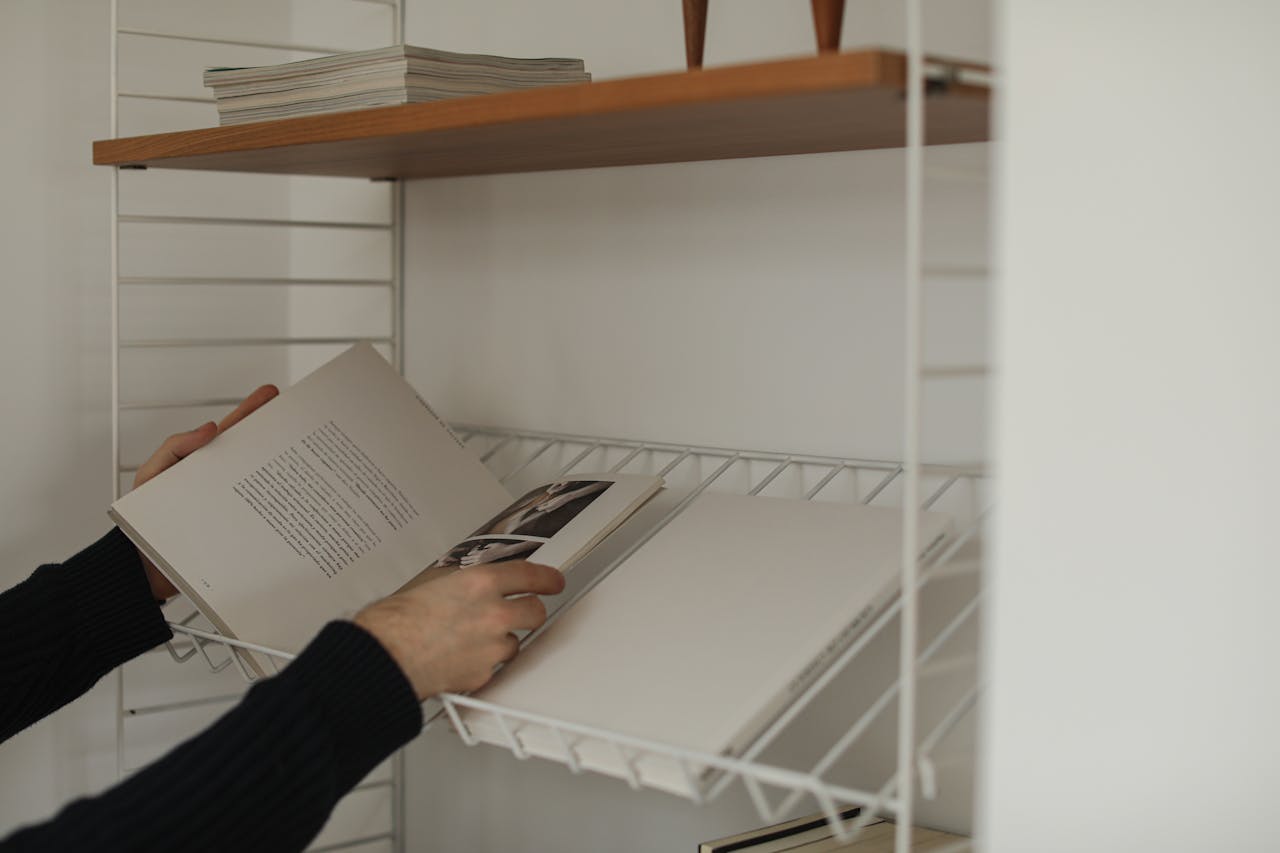
Wire shelves might seem like a great storage solution, but they can often lead to more clutter. Small items can fall through the gaps, and items can get stuck or tangled in the wires.
Instead of wire shelves, consider using solid shelves. They’re easier to clean, and you don’t have to worry about items falling through the gaps. Plus, they can often hold more weight, making them a more sturdy and reliable storage solution.