


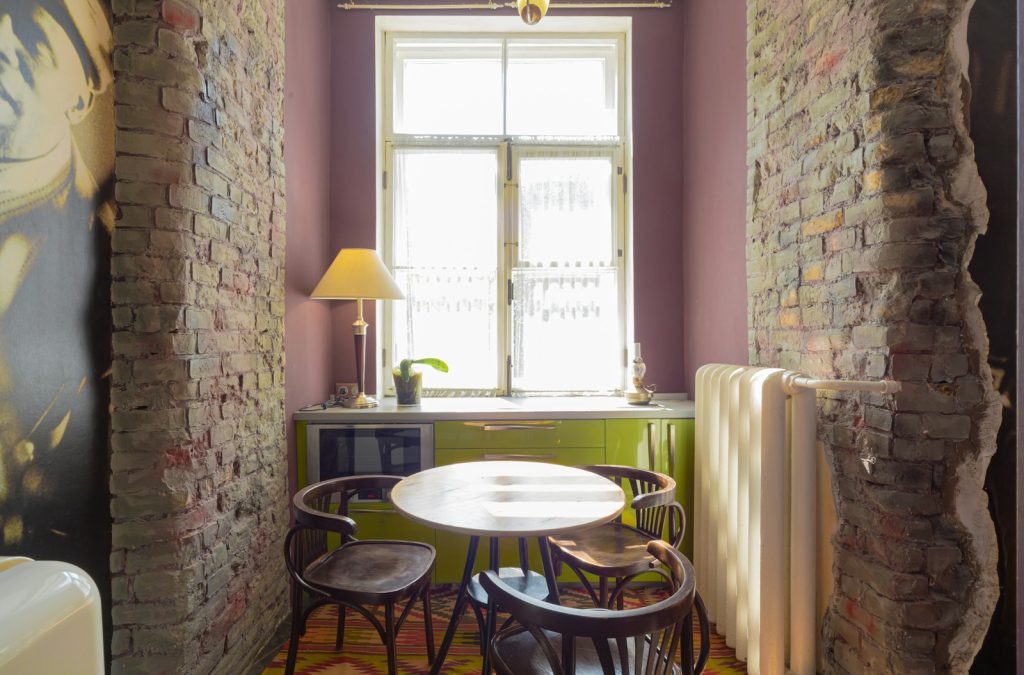
When I talk about sustainable luxury, vintage decor immediately comes to mind. Vintage pieces combine timeless style with eco-conscious living by reducing waste, cutting down on new production, and extending the life of quality craftsmanship. It’s a way to make your home beautifully unique while supporting the planet. I’ve found that choosing vintage isn’t just good for the Earth—it’s also a personal journey. Each item has a story and a durability modern mass-produced pieces often lack. That mix of history, character, and sustainability feels like the best kind of luxury to me.
If you’re curious about how vintage decor fits perfectly into a lifestyle that values both elegance and environmental responsibility, keep reading. I’m excited to share why I believe it’s the ultimate form of sustainable luxury.

Why Vintage Decor Embodies Sustainable Luxury
Vintage decor brings together thoughtful craftsmanship, environmental care, and lasting style. Choosing these pieces means investing in quality items that have stood the test of time, while supporting a more responsible way to furnish your home.
The Environmental Impact of Vintage Choices
When I choose vintage decor, I’m actively reducing the need for new manufacturing, which is a major source of pollution. Factories creating new furniture emit large amounts of carbon dioxide and introduce harmful chemicals into the environment.
By opting for something already made, I help lower carbon footprints and limit the demand for raw materials like wood, metal, and plastics. Each vintage item is a small but meaningful step toward protecting air quality and conserving natural resources. It’s a practical way to lessen my environmental impact while still enjoying beautiful home pieces.
Reducing Waste and the Fast Furniture Cycle
The “fast furniture” trend means buying cheap, mass-produced items that wear out quickly and end up in landfills. I’ve seen how this cycle creates unnecessary waste, as many pieces aren’t built to last or repair.
Vintage items flip that story. These pieces were designed for durability and longevity. By keeping them in use, I reduce landfill waste and extend product lifespans. It feels good knowing I’m breaking the cycle of disposable decor and supporting a more circular economy where reuse is key.
The Role of Timeless Design in Modern Living
What fascinates me most about vintage decor is its timeless design. Instead of following fleeting trends, vintage pieces offer a unique style that fits into any modern home.
The quality materials and craftsmanship mean these items hold value across decades. Their lasting aesthetic and durability make them a smarter luxury choice. For me, blending vintage with contemporary elements creates a home that feels personal, authentic, and sustainably stylish.
Explore more about sustainable vintage decor at the sustainable choice and vintage benefits.
The Unique Value of Vintage and Antique Pieces
I’ve always been drawn to vintage pieces and antique furniture because they hold qualities that modern mass-produced items often miss. These treasures speak through their durability, authentic materials, and the care taken in selecting each piece for a truly distinctive style. This makes them special in both function and appearance.
Traditional Craftsmanship and Durability
One of the things I appreciate most about antiques is the traditional craftsmanship behind them. These pieces were made by skilled hands using techniques passed down over generations. Unlike many modern items, their construction focuses on longevity, not just quick production.
The joints, carvings, and finishes were done for both beauty and strength. That’s why so many antique furniture pieces remain sturdy and usable decades or even centuries later. When I bring vintage decor into my home, I know I’m investing in something that lasts, not something that will need replacing soon.
Natural Materials and Finishes
Vintage and antique furniture often feature natural materials like solid wood, genuine leather, brass, and hand-applied finishes. These finishes not only protect the item but also develop a rich patina over time, adding character and depth.
I find that these natural elements age gracefully and feel more authentic than synthetic alternatives. The texture, scent, and warmth of real wood or aged metals create an atmosphere in my space that modern materials just can’t replicate. Plus, choosing pieces with natural finishes supports a more sustainable lifestyle by avoiding chemically intense manufacturing processes.
Curated Collections for Distinctive Style
Curating vintage decor is a personal experience for me. Finding hand-selected pieces that reflect my taste means my home never feels like a showroom of mass-produced trends. Each item carries its own story and uniqueness, setting the tone for a welcoming, individual style.
I enjoy mixing different eras and styles to create a look that feels both balanced and layered. This thoughtful collection approach turns my space into a visual narrative instead of a uniform, predictable setup. A carefully chosen vintage piece always becomes a conversation starter and a focal point within my home.
Explore more about the value of vintage and antique furniture at TheyUnique.com.
Practical Ways to Embrace Vintage Decor Sustainably
Choosing vintage decor is about more than just style—it’s also about thoughtful sourcing and mindful blending of old and new. By paying attention to where and how you shop, you can support local communities and reduce environmental impact while creating a home that feels uniquely yours.
Sourcing from Flea Markets, Estate Sales, and Local Shops
I love hunting for vintage items at flea markets, estate sales, and local shops. These places typically offer a treasure trove of one-of-a-kind pieces, especially mid-century modern furniture and charming collectibles. Flea markets are perfect for finding affordable, sustainable decor, while estate sales often have high-quality furniture that’s stood the test of time.
I always recommend checking local vintage markets regularly to spot unique finds. Plus, buying from these venues means fewer products are manufactured new, which significantly lowers your carbon footprint. A quick tip: bring a checklist of items or styles you love to stay focused and make the most of your visit.
Blending Vintage with Contemporary Design
I find mixing vintage pieces with contemporary decor creates a balanced and timeless look. Adding a vintage dresser or side table to a modern living room can bring warmth and character without overwhelming the space. It also allows for sustainability by reusing durable, quality-built furniture alongside newer items.
When blending styles, focus on pairing textures and materials. For example, vintage wood furniture works beautifully with sleek, minimalist modern designs. This approach keeps your home from feeling dated while maximizing the lifespan of your vintage treasures.
Supporting Local Economies and Reducing Carbon Footprint
Buying vintage locally supports small businesses and keeps money within the community. I prefer shopping at neighborhood thrift stores and antique shops because it creates a positive ripple effect, helping families and vendors directly. It’s also one of the best ways to minimize your carbon footprint, as items don’t need to be shipped long distances.
Supporting local economies means investing in the circular economy—reusing and recycling rather than contributing to fast furniture waste. Every vintage piece I bring home feels like a small but meaningful step toward sustainable living and conscious consumer habits.
Why Vintage Decor Is the Future of Sustainable Design
Choosing vintage pieces means making smarter decisions that benefit both your home and the planet. It’s about moving away from mass-produced furniture and embracing items built to last.
Moving Beyond Mass-Produced Furniture
Mass-produced furniture often prioritizes speed and cost over quality and durability. This “fast furniture” culture results in items that break or lose appeal quickly, ending up in landfills. That cycle wastes resources and adds to environmental harm.
Vintage furniture, by contrast, was crafted with care and built to endure. Each piece you bring home is a step away from disposable decor and a move toward lasting value. Plus, vintage items carry stories and unique character you just won’t find in new, factory-made products.
By choosing vintage, I avoid contributing to the constant demand for new production and the pollution that comes with it. It’s a small but meaningful shift that supports sustainable design and reduces waste.
Lasting Investment for Generations
Vintage and antique items were made to stand the test of time, often using quality materials like solid wood and fine textiles. When I pick up a vintage piece, I’m investing in something that can be passed down through generations—something that won’t just serve me but also my family in the future.
This kind of longevity is rare in modern furniture, which often has a short lifespan and limited repairs possible.
Owning vintage decor means I’m minimizing consumption, saving money over time, and reducing the environmental toll of producing new items. It’s luxury that’s both beautiful and responsible—a true lasting investment.
For more on how vintage aligns with sustainable living, see why vintage decor is the future of sustainable design.