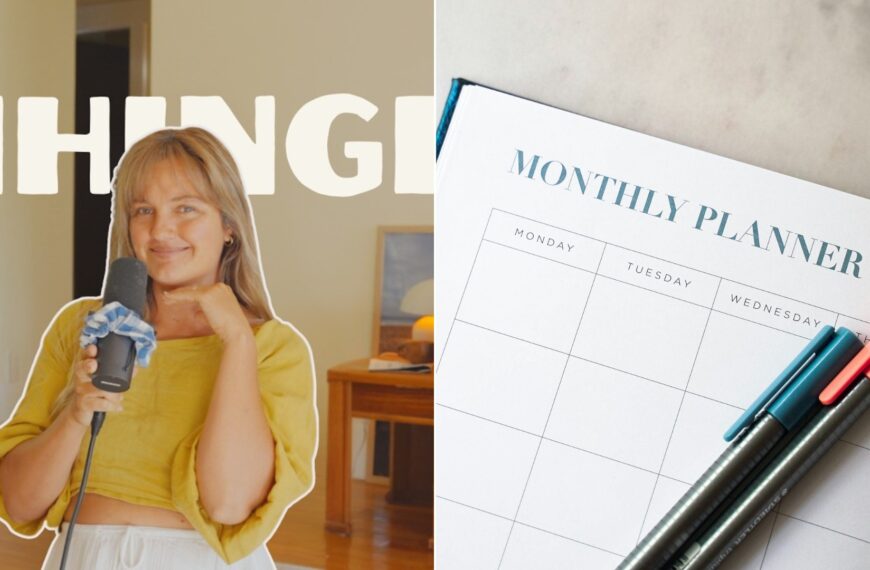
You head into the kitchen to put away a book, and by the time you get there you cannot remember why you came. Then you spot a stray sock, then a dirty cup, and suddenly you are looping from room to room without finishing a single thing. Becky Truda of Minimal Ease says you are not lazy and you are not crazy. There is a name for it.
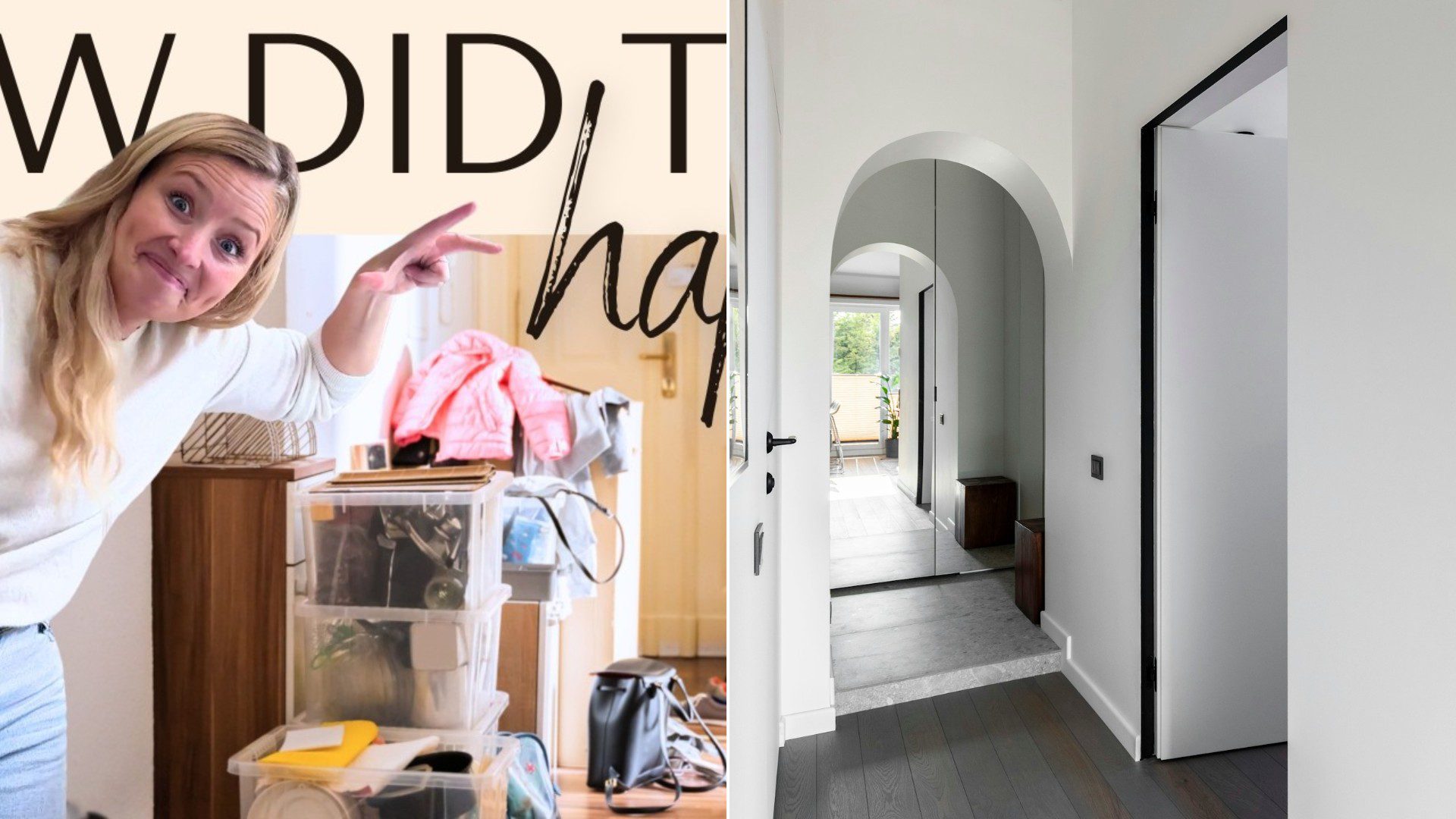
Truda, who talks about realistic minimalism and decluttering, says the culprit is something called the doorway effect. The second we walk through a doorway, she explains, our brain looks around at a new environment and starts registering a million things it was not paying attention to a moment ago. Being in a different room can push the original plan right out of your head.
A Minimalist Who Thought She Was Dumb
Truda says she finds it validating to know she is not alone. She points out that the average family spends at least 20 minutes a day on basic cleaning, and many people spend between an hour and two hours a day on the rest, whether that is laundry, vacuuming, mopping or wiping down surfaces. She asks a simple question: how can I make my home require less of me?
Seven years ago, when she started her minimalist journey, she was losing her marbles for many different reasons. One was that she honestly thought she was just dumb. Checklists that said what to do every day versus every month did not work for her, and she felt that everyone else was in on a secret nobody would share. Her message now is that there is no secret, but there are ways to manage a home even with ADHD so that you can enjoy being in it.
The Answer Nobody Wants To Hear
If you are searching for the perfect cleaning routine and nothing works, Truda says the simple answer is probably not the one you want. You have too much stuff. It was a huge realization for her almost seven years ago, and the more she got rid of, the more she enjoyed her space. Cleaning stopped being an hour or two hour episode once she let go of things that caused headaches, such as large rugs, big difficult pieces of furniture and excess decor.
She offers an easy picture. Think of dusting a flat surface that holds 45 tiny things, then picture it with two pieces of decor. Picking up two items, dusting them and wiping underneath them cuts down hours of what used to be a massive hassle.
The 15 Minute Timer Test
Her first assignment is simple. Set a 15-minute timer, pick one room, and clean it, which means vacuuming, dusting and putting things away. See whether you can finish that room in 15 minutes or less. If you cannot, look at what took the longest and think about how to simplify it today.
The test works because it shows you where the clutter is hiding. A room that eats the whole timer is telling you something. Truda says the rooms that feel heavy are the ones yelling at you that you need to declutter.
Group Before You Walk
Here is where the doorway effect gets beaten. When Truda sees a dining table covered with items, she does not carry them one at a time to the rooms where they belong. Every trip through a new doorway invites a million distractions. Instead, she groups things first, either by category or by the room they are headed to.
On her own table she sees a pile for her daughter’s science project, her work things, a bike helmet left from a ride, water bottles and a favorite coffee her husband brought her that morning. Those all go to different rooms, so she sorts them into groups. If everything is already categorized, she says, your brain is much more likely to come back and finish what it started, because you get a small endorphin hit from picking up one group and putting it away.
Pick A Direction And Stick With It
Instead of copying somebody else’s checklist, Truda recommends choosing a direction, either top to bottom or bottom to top. When she dusts, she starts at the top of the window sills and works down. For picture frames, she begins at the highest point and moves down to the lower decor.
She admits she gets distracted by a hairball on the floor and thinks about grabbing the vacuum. But she knows that the second she puts down the rag, she will never come back to the dusting. So she makes a mental note: the next job is the vacuum. Doing one cleaning activity at a time, she says, guarantees at least that one will be done.
Set Up Supplies To Help You Multitask
Truda says she thrives on multitasking, and she has arranged her home to support it. Her vacuum sits right next to her laundry machine, so she can start a load and then vacuum or mop. If the washer stops while she is still vacuuming, she keeps going, because the second she walks away from the vacuum she will forget what she was doing and wander off to something else.
She says the people who clean fastest and find it least overwhelming are the ones who keep supplies in places that push them toward multitasking. If that does not fit how your brain works, she says to go back to one direction at a time: vacuum first, then laundry. There is no perfect way, only strategies you can bend.
End With A Short Reset, Not A Marathon
Her biggest mind shift is that a cleaning system should end with a short reset, not a marathon. She does a 15-minute evening reset, putting things away on the dining room table and loading dishes into the dishwasher right after eating instead of soaking them overnight. Resets of five to 15 minutes each evening give your brain time to notice what needs to go out, what needs cleaning and what to add the next night.
The payoff, she says, is that weekends are no longer a Saturday-long cleaning day. She has dogs and birds, so she vacuums more often than some, but the evening habit keeps it manageable.
Do Not Buy Boxes Yet
If you feel overwhelmed, Truda warns against rushing out to buy a pile of storage boxes or labels. She says that will not fix the problem. Take a notebook, walk around your home and write down what is really bothering you. For her, noticing is the first step, and having less stuff makes it possible to keep up with the rest.
More Stories You May Like
- Certified Decluttering Pro Living With Three ADHD Brains Says Removing 15 Items In 15 Minutes Daily Adds Up To 465 Items Gone By The End Of October
- Buying Closet Organizers Before You Declutter Just Gives Your Extra Stuff A Nicer Home, So Purge First, Measure Second And Buy Only What You Need
- Someone Says The Doom Basket Where Mail Toys And Mystery Receipts Disappear Is A Coping Method Not A Fix And Shares The Five Minute Timer Trick To Empty It