


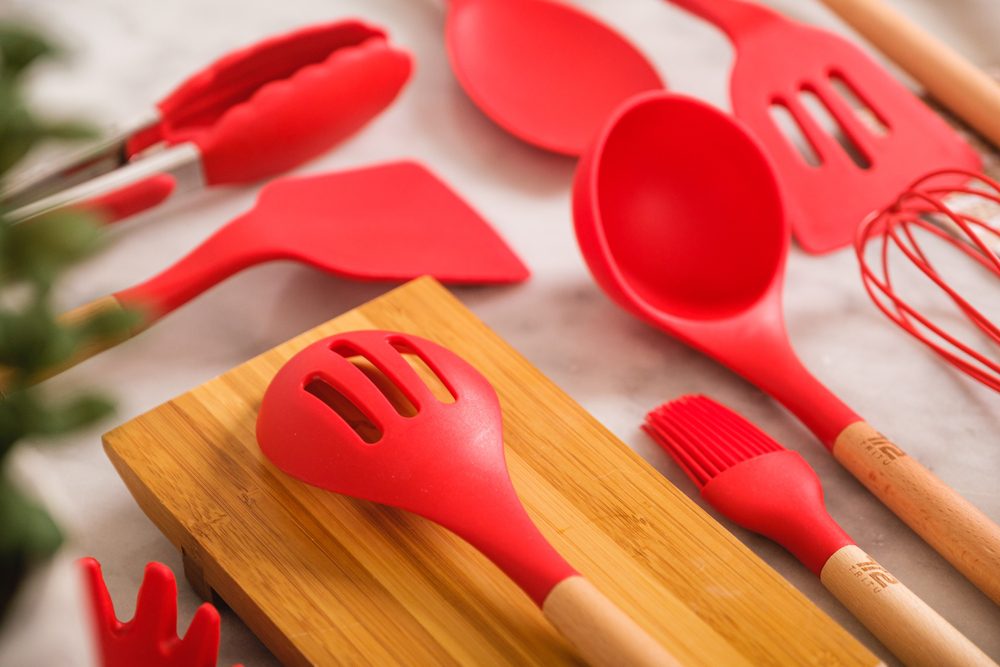
Kitchens often become the most overstuffed spaces in American homes—packed with gadgets, dishes, and pantry overflow. To compile this list, I reviewed interviews with certified professional organizers published by outlets like Good Housekeeping, The Spruce, and Real Simple, as well as 2024 survey data from Houzz and OnePoll.
These ten items were selected because they repeatedly showed up in professional decluttering advice and are commonly identified as creating visual or functional chaos. In a time when more Americans are downsizing and prioritizing simplicity, understanding the most persistent kitchen clutter culprits is both timely and practical.
1. Duplicate Cooking Utensils

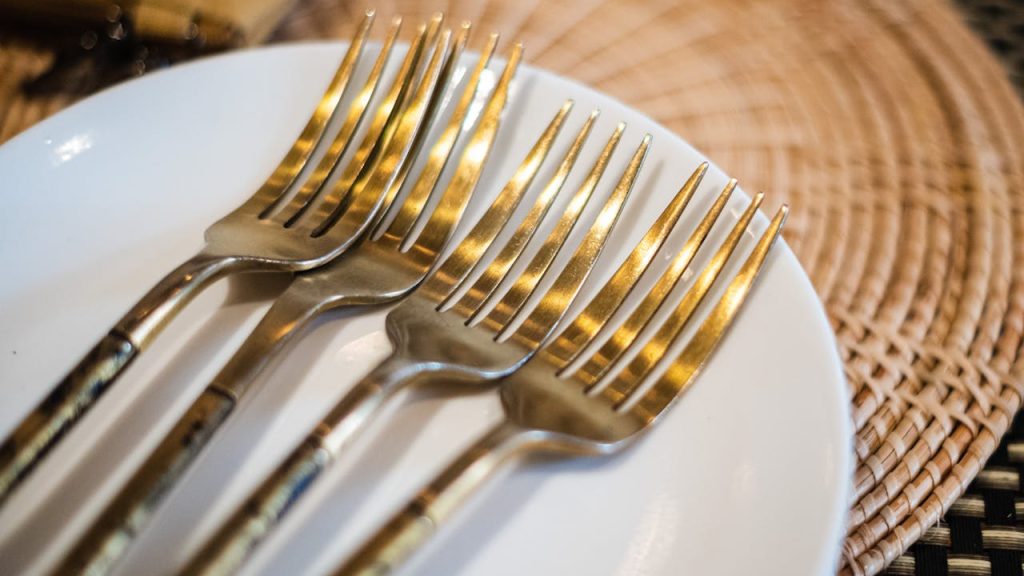
It’s not uncommon to find five spatulas, three ladles, and multiple can openers in a single drawer. According to Good Housekeeping, professional organizers routinely remove duplicates as their first step. They note that having extras rarely improves function and usually just clogs drawers.
A lot of Americans keep kitchen tools they haven’t used in over a year. Keeping one quality version of each essential tool reduces clutter and makes drawers easier to navigate.
2. Unused Small Appliances

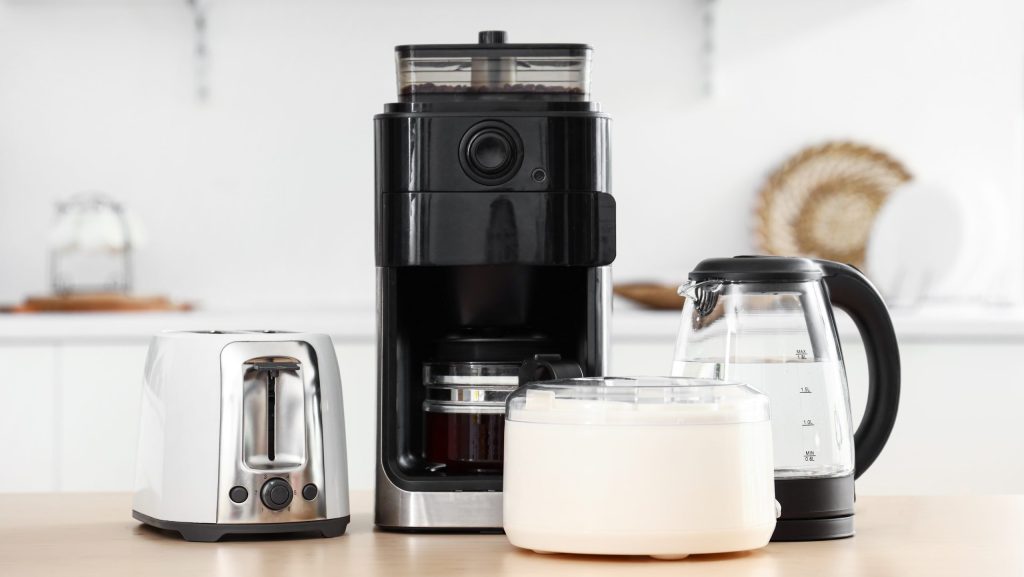
From waffle makers to quesadilla presses, small appliances are among the most clutter-prone items in the kitchen. According to a 2024 article by The Spruce, professionals suggest removing any appliance not used in the past six months.
These items take up valuable counter or cabinet space and are often saved out of guilt rather than utility. Air fryers and Instant Pots get a pass only when they’re used regularly; otherwise, they’re prime candidates for storage—or donation.
3. Expired Pantry Goods
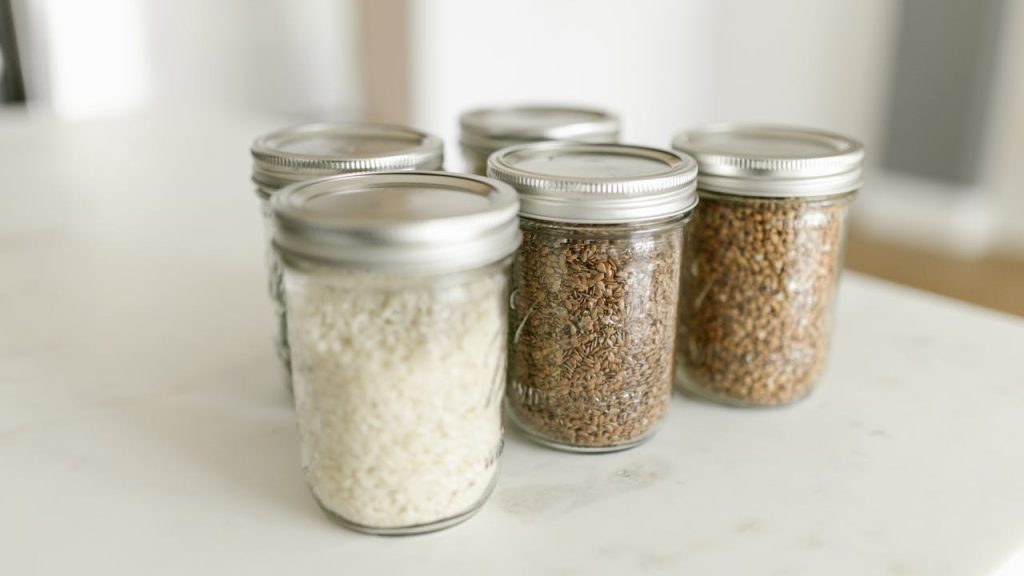
Pantries become graveyards for long-forgotten food items. According to professional organizer Cass Aarssen (Clutterbug), canned goods, spices, and baking mixes are commonly expired by the time people declutter.
The New York Times emphasized that while expiration dates aren’t always indicators of spoilage, the accumulation of outdated items leads to disorganization and food waste. Organizers recommend doing a pantry purge every 3–6 months to keep inventory fresh and visible.
4. Excess Reusable Containers (Without Lids)

Stacks of plastic or glass containers without matching lids are a universal clutter issue. The National Association of Productivity & Organizing Professionals (NAPO) calls them one of the top items that clients resist throwing out—even when mismatched.
According to a Real Simple feature on Tupperware clutter, most homes contain over twice as many containers as they need. Organizers recommend keeping only stackable sets with corresponding lids and recycling the rest to free up drawer or cabinet space.
5. Excess Mugs


Coffee mugs tend to multiply quickly—often due to gifts, travel souvenirs, or workplace giveaways. A Good Housekeeping report noted that clients routinely own two to four times the number of mugs they actually use.
Organizers recommend limiting mugs to the number of regular coffee or tea drinkers in the home, plus one or two guests. The rest can be boxed, donated, or rotated out seasonally to free up cabinet space.
6. Bulk Storage of Unused Grocery Bags


While reusable grocery bags are environmentally friendly, storing dozens of them isn’t. According to The Spruce, it’s common to find entire drawers or cabinets stuffed with bags. Most professional organizers recommend keeping no more than 5–10 bags per household, depending on family size and shopping habits.
Any extras can be recycled at most grocery stores. Managing bag buildup makes way for more essential storage needs in already limited kitchen spaces.
7. Large Sets of Serving Platters
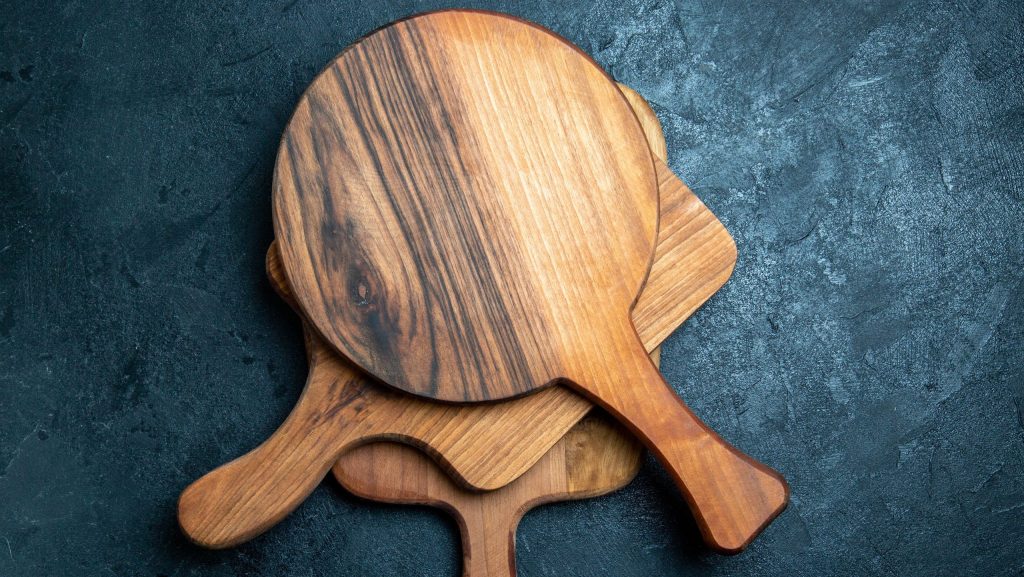
Fancy serving platters and trays are used infrequently but occupy bulky storage zones. Professional organizers say many clients keep multiple large trays “just in case”—even if they only host guests once or twice a year.
Organizers suggest keeping one or two versatile serving pieces and storing the rest elsewhere (like a hutch or garage) to free up cabinet space for daily-use items.
8. Forgotten Cookbooks


Cookbooks take up valuable counter or shelf space—and most people turn to the internet for recipes anyway. In a 2024 Houzz decluttering guide, experts noted that many kitchens still store 15+ cookbooks, even though only 1 or 2 are regularly used.
Organizers suggest paring down to a small selection of trusted favorites and donating or storing the rest. This not only clears space but also reduces visual clutter, which can make a kitchen feel chaotic.
9. Junk Drawers Overflowing with Miscellaneous Items
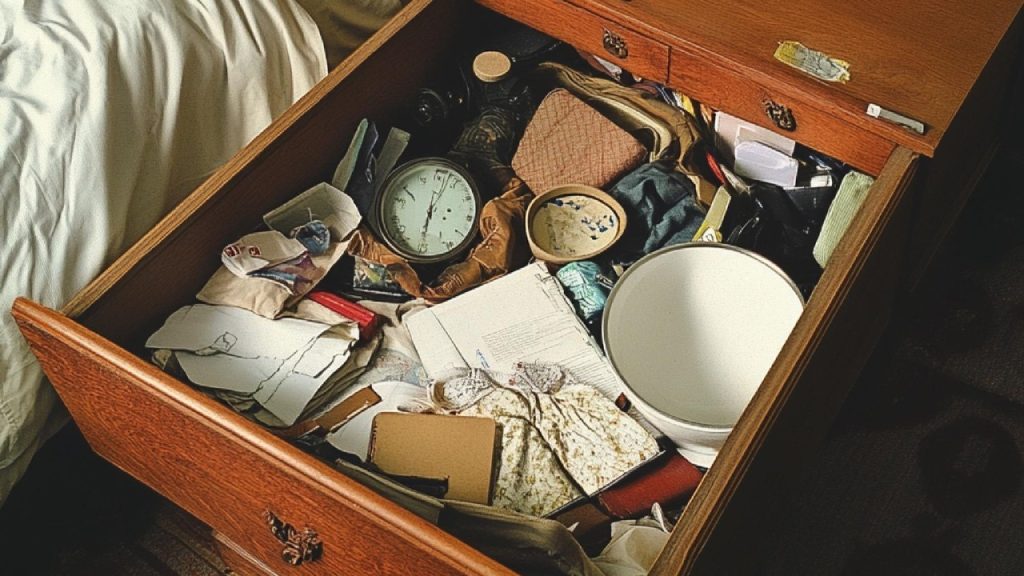
Every kitchen has a “junk drawer,” but professionals say it’s one of the top sources of disorganization. According to a 2023 OnePoll survey, 74% of Americans have a junk drawer that they haven’t cleaned out in over a year. These drawers often contain outdated batteries, cords, random screws, and takeout menus.
Organizers recommend using drawer dividers and limiting the drawer to 4–5 categories to prevent sprawl. Anything not used monthly should be moved to a more appropriate storage zone.
10. Freezer Burned and Forgotten Frozen Foods


Freezers are often packed with items that are months—or even years—past their prime. According to the USDA, freezer-burned foods aren’t dangerous, but they can taste unpleasant and take up space.
In an EatingWell freezer organization guide, organizers emphasize doing quarterly audits to toss items with freezer burn, unclear labels, or expired packaging. A labeled, categorized freezer is easier to manage and reduces grocery waste significantly.