


A woman’s excitement over her luxury handbag purchase quickly turned to disappointment after she received her $400 pink Coach Tabby bag in the mail. The shopper expressed immediate regret when she realized the designer bag’s quality appeared comparable to a knockoff, leading her to question whether the premium price was justified.
The pink Coach Tabby bag is widely considered a luxury item, but this particular buyer found herself underwhelmed by what arrived at her doorstep. She shared her frustration online, noting that nobody warned her about the potential quality issues she would encounter.
The incident has sparked conversations about the real differences between designer bags and their cheaper counterparts. Her experience raises questions about whether luxury brand pricing always reflects superior craftsmanship or if consumers are sometimes paying primarily for the label.
Why the $400 Pink Coach Tabby Bag Led to Regret

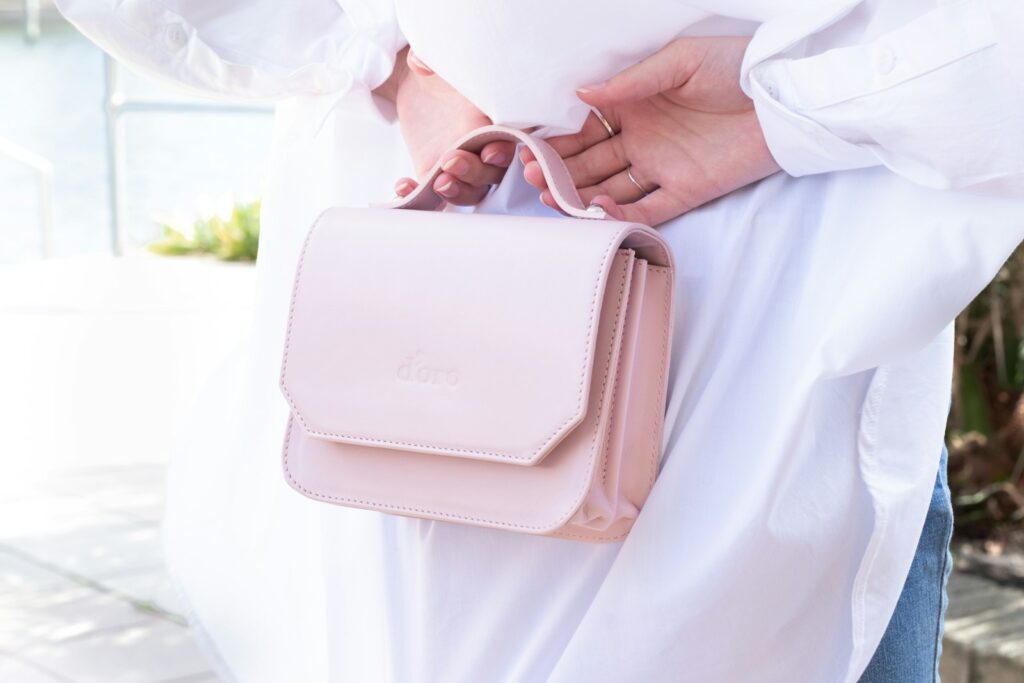
What started as an exciting luxury purchase quickly turned into buyer’s remorse when the reality of the bag didn’t match the woman’s expectations, especially after she discovered how similar it looked to cheaper alternatives.
Initial Excitement and High Hopes
The woman was thrilled when she decided to buy the pink Coach Tabby bag. At around $400, it represented a significant investment for a designer handbag that she’d been eyeing for a while.
The Coach Tabby style’s popularity stems partly from its relatively accessible price point compared to other designer bags. She expected the bag to deliver the quality and prestige that comes with the Coach name.
The anticipation built up as she waited for her purchase to arrive. She imagined how the distinctive pink color would complement her wardrobe and make a statement.
Unboxing and First Impressions
When the package arrived, something felt off almost immediately. The Buffalo woman who shared her experience on TikTok described feeling instant regret after receiving the bag.
The quality didn’t seem to justify the price tag she’d just paid. She noticed details that disappointed her expectations for a premium product.
The bag’s materials and construction raised questions about whether it was worth the investment. Her enthusiasm quickly faded as she examined what $400 had actually gotten her.
Comparing the Real Bag to the Knockoff
The real shock came when she compared her authentic Coach bag to a knockoff version. She discovered that affordable alternatives inspired by Coach styles existed that looked remarkably similar to her purchase.
The similarities between the authentic bag and the dupe were striking enough to make her question her decision. “Nobody told me” became her reaction to discovering how closely knockoffs could replicate the designer look.
The visual differences were minimal, making it hard to justify the substantial price difference. She felt that the average person wouldn’t be able to distinguish between her $400 bag and a much cheaper alternative just by looking at them.
What the Experience Revealed About Designer vs. Knockoff Bags
The woman’s side-by-side comparison exposed unexpected truths about quality gaps, value perception, and the realities of luxury purchases in today’s market.
Quality and Craftsmanship Differences
When she placed the bags next to each other, the differences weren’t as dramatic as she’d expected. The authentic Coach featured slightly better stitching consistency and marginally superior hardware finish. The leather on the designer version felt softer to the touch, though both bags used genuine leather materials.
High-quality replicas use real leather sourced from similar suppliers, which explained why the knockoff didn’t feel cheap or plasticky. The woman noticed the lining quality differed more noticeably than the exterior. Her authentic bag had a more polished interior finish, while the knockoff’s lining showed minor inconsistencies in the logo print.
The hardware weight and finish revealed subtle distinctions. The Coach’s zipper operated more smoothly, and the metal components had a more refined appearance under close inspection.
Price Versus Perceived Value
She paid $400 for the authentic Coach Tabby, while similar knockoffs sell for a fraction of that price. The comparison left her questioning whether the price difference justified what she received. The performance and appearance similarities between both bags challenged her assumptions about luxury pricing.
Even the best fake designer bags differ by about 10% from authentic ones, yet her naked eye struggled to identify these differences without direct comparison. She realized much of what she’d paid for was the brand name and the guarantee of authenticity rather than dramatically superior materials or construction.
The experience made her reconsider future luxury purchases and whether she valued brand prestige enough to justify the cost premium.
Lessons Learned for Future Purchases
The woman’s experience taught her to examine products more critically before buying. She realized she’d purchased based on brand reputation without researching actual quality differences. Her impulse buy left her feeling uninformed about what made the authentic version worth its premium price.
She discovered that knockoff quality varies significantly depending on the tier and source. Not all replicas match the quality of the one she compared to her Coach bag. The comparison also showed her that social media and marketing heavily influenced her perception of value and desirability.
Moving forward, she planned to research materials, construction methods, and actual quality indicators rather than relying solely on brand names to determine worth.
More from Decluttering Mom: