


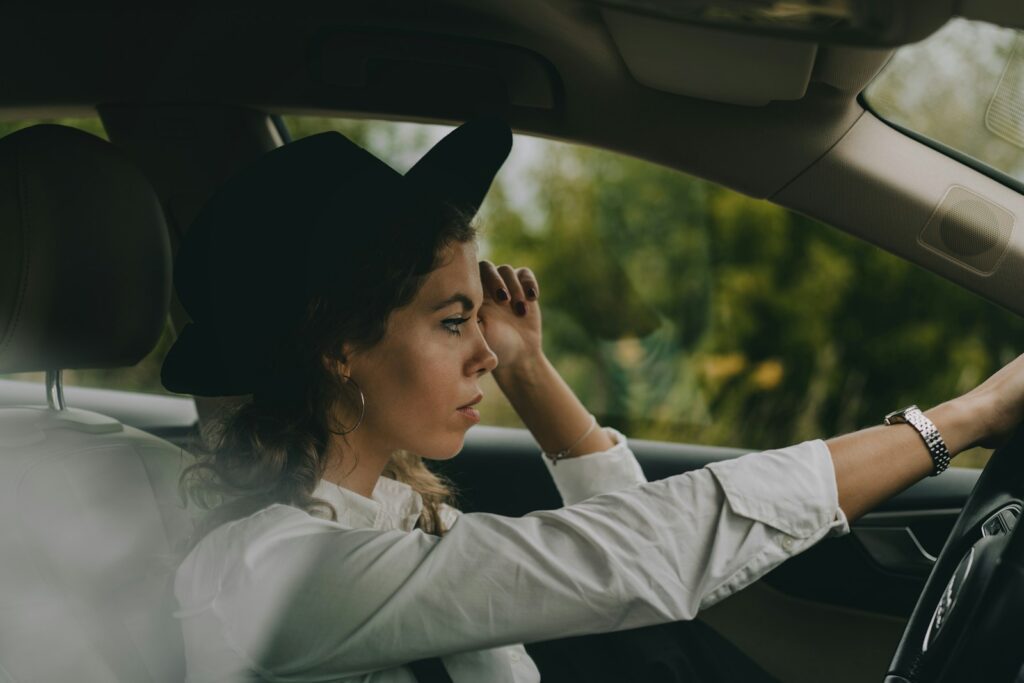
A woman who refuses to drive her friend’s young children is not worried about traffic or parking. She is worried about waking up every day with the memory that something happened to someone else’s child in her car. Caught between her own terror and the fear of being branded selfish, she occupies a space that many anxious drivers quietly recognize.
Her story taps into a broader cultural tension: the expectation that adults, especially women, will cheerfully ferry kids around, and the reality that some people are managing very real driving fears that do not vanish just because a friend needs a favor.
When a Simple Favor Feels Like a Life-or-Death Decision

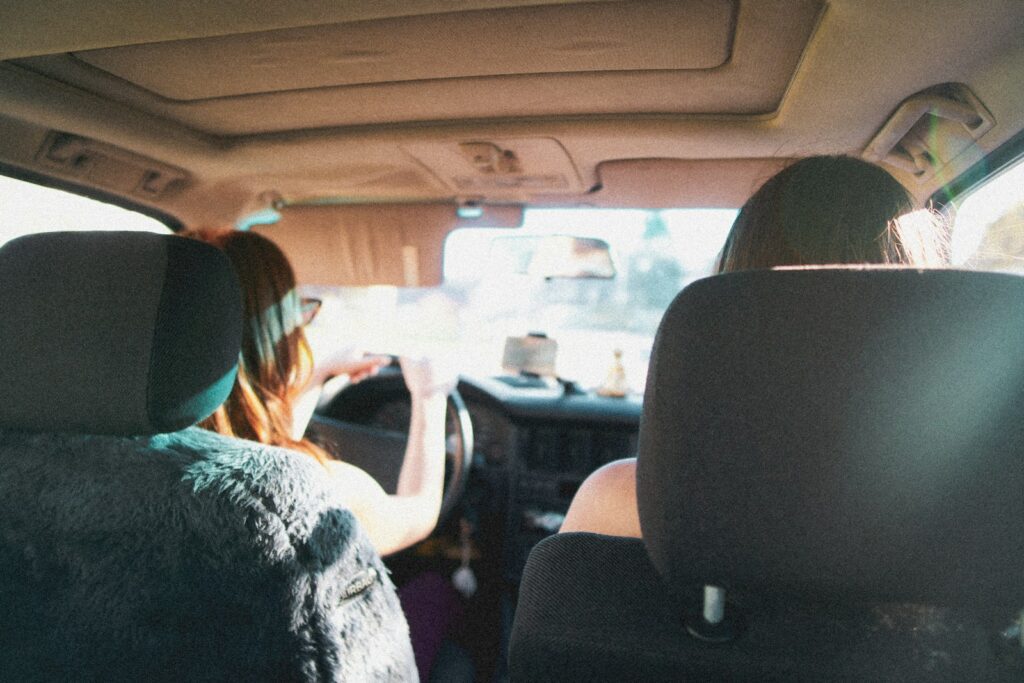
On the surface, the ask sounds harmless. A friend with two small kids needs help with school runs or activities. The woman has a car, a license, and a flexible schedule. Socially, every arrow points toward saying yes. Underneath, though, she is quietly thinking, “If anything happens, I will never forgive myself.” That private calculation is what she means when she says she is terrified something could happen in her car.
Other parents describe similar pressure. One mother, reflecting on years of driving her grown children everywhere, admitted that latest conversation she felt she had “failed” because her adult kids still would not learn to drive. Her frustration hints at how much emotional weight gets loaded onto the person behind the wheel, especially when children are involved.
In online forums, drivers who decline kid-related favors often get labeled “mean and unkind,” as in one carpool dispute where a mother refused to reorganize her routine because, as she put it, While the extra logistics would change the whole dynamic in her car. The social script says a good friend or good mom just makes it work. Anyone who hesitates risks being cast as selfish, even when fear is the real driver.
When Fear of Driving Is More Than “Just Nerves”
What looks like overthinking from the outside can be a specific anxiety condition from the inside. Clinicians describe amaxophobia as an intense fear related to driving or riding in vehicles. People might dread highways, bridges, or even short trips around the neighborhood. The same organization explains that Amaxophobia (Fear of can make it hard to get into a car, bus, or plane at all.
Another related condition, Dystychiphobia, is a specific fear of accidents. Here, the mind loops on worst-case scenarios. A person might picture a crash every time they approach an intersection or merge onto a freeway. A legal resource that explains Dystychiphobia notes that People with this fear worry a lot about accidents and They may constantly imagine car crashes or falls.
Therapists who specialize in driving anxiety point out that there is not always a neat origin story. One clinician writes that There is not an obvious cause, although experiences like being in a car accident often play a role. Others trace their fear back to panic attacks, aggressive traffic, or even watching graphic crash footage online. For some, the anxiety becomes so consuming that, as another therapist-focused piece titled Understanding Driving Anxiety explains, it gets in the way of everyday living.
The Extra Weight of Carrying Children
Handing over a steering wheel is one thing. Handing over a child is another. A teacher who wrote about school safety captured this difference when She said she is terrified of the responsibility she and others are being asked to accept, a responsibility that felt far greater than. That line could easily come from an anxious driver being asked to take someone else’s kids on the highway.
Safety experts also warn that emotional overload and driving are a risky mix. One traffic analysis explains that Intense feelings of worry, anxiety, depression, or excitement can narrow a driver’s focus to a kind of tunnel vision. Another regional mental health leader, Curt Gillespie, director of Mental Health Services, has put it bluntly: Anyone experiencing any type of emotional upset should not be driving because it could escalate into a dangerous situation.
Parents know that kids in the back seat can be loud, unpredictable, and distracting. Add a driver who is already fighting panic, and the risk calculus changes. The woman who says she is terrified something could happen in her car might actually be making the safest choice by stepping back rather than white-knuckling through a carpool she is not emotionally equipped to handle.
More from Decluttering Mom: