


Family secrets do not stay buried in the age of cheap DNA kits and casual curiosity. The headline shock of someone discovering at 34 that the person they call “Dad” is not their biological father has quietly become a pattern, and the fallout is rarely neat. Behind every test result is a tangle of loyalty, betrayal, and the awful realization that the truth can hurt more than the lie ever did.
In one widely shared story, a 34-year-old man learned that the man who raised him was not his biological father, and the revelation detonated decades of family mythology in a single afternoon. His experience, and others like it, show how modern genetics is colliding with old-school secrecy, leaving adult children to pick through the wreckage of choices made long before they were born.
The DNA Shock At 34

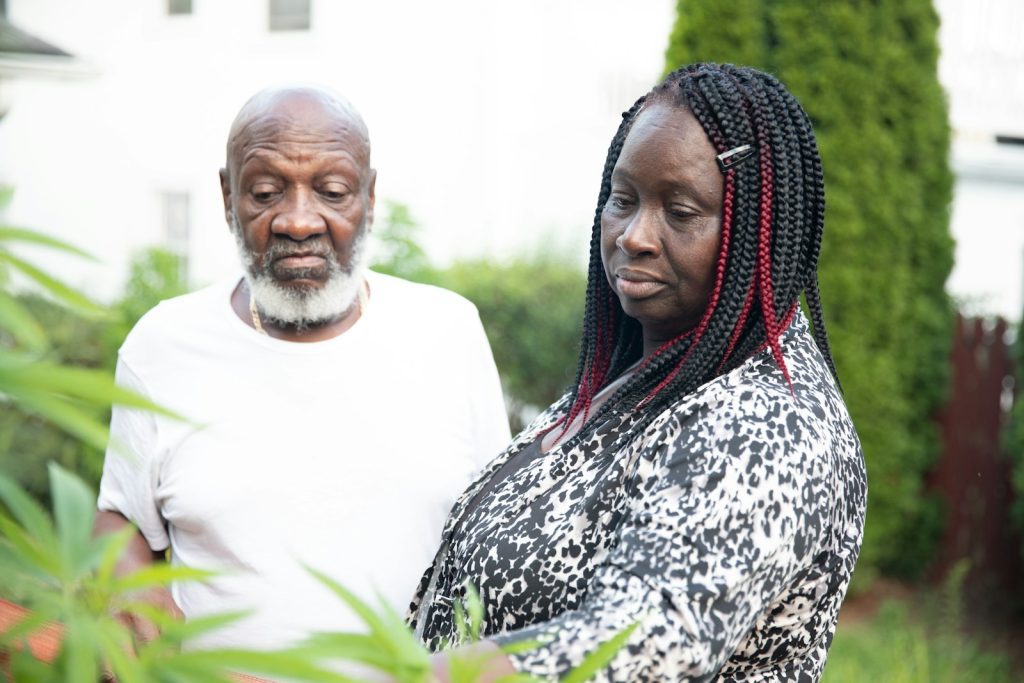
The core of this kind of story is brutally simple: a person grows up believing one man is their father, then in their mid-thirties a test result says otherwise. In one account, a 34 (M) described how he had always seen his dad as the steady presence who raised him, only to find out through a casual DNA comparison that biology did not match the family script. He wrote that he was Trying to hold everything together after realizing that the man who raised him was not his biological father, and that the emotional weight “gets a little heavier” with every new detail he uncovers, a reaction that tracks with how identity can suddenly feel negotiable once the genetic ground shifts under your feet.
What makes the truth feel even worse is not just the mismatch on a lab report, but the sense that everyone else knew more than he did. In a follow up, the same 34 (M) explained that he wished his mother had talked to him first before the secret surfaced through outside channels, because the way he found out turned a private family issue into a public humiliation. That detail, that he had to learn secondhand and then confront the people who raised him, is what transforms a painful fact into a full-blown betrayal, especially when the person who has been living a lie is the last to be told.
When Parents Double Down On The Lie
The emotional blast radius gets wider when parents refuse to engage with the truth once it is out. In another case, a 34M tried to tell his 62F mother that a DNA test showed his dad was not his biological father, and the conversation crashed almost immediately. He described how, after he raised the result, there was a long, icy stretch where It’s been about 12 hours now and neither of us have spoken, even though each of them vented separately to his sister and his wife. That silence is not neutral, it is a choice to protect the old story rather than the adult child who is suddenly trying to make sense of his own origins.
The same man later framed his dilemma bluntly as AITA, asking strangers whether he was wrong for pushing his mother to acknowledge what the DNA had already made clear. His shorthand TDLR captured the whole mess in a sentence: DNA kit revealed my dad isn’t my biological father, and When he tried to talk to his mom, who had always made it clear she did not want to discuss the past, she shut down instead of stepping up. That refusal to explain, even after the science is undeniable, is what leaves grown children feeling like they are grieving a parent who is still alive, because the relationship they thought they had suddenly looks like a performance.
Fathers Who Find Out Too Late
The flip side of these late-in-life discoveries belongs to the men who thought they were fathers, only to learn they were not. One man recalled that he Was told he was mine and Raised him for 8yrs before getting his own paternity test, which finally revealed the truth. He talked about changing diapers, doing school runs, and building a bond that felt as real as anything, only to realize that the foundation had been poured on someone else’s genetics. The betrayal for him was not in loving the child, but in being denied the right to know what he was signing up for from the start.
Stories like his underline how paternity fraud is not a victimless secret tucked away in the past. When a man invests eight years of parenting, then finds out through a test that the child is not biologically his, he is forced to renegotiate everything from child support to his own sense of manhood. The emotional math is brutal: he cannot unlove the kid, but he also cannot unlearn that the relationship began with a lie, and that tension often spills into courtrooms, new relationships, and the child’s own understanding of why the adults around them suddenly seem so angry.
More from Decluttering Mom: