



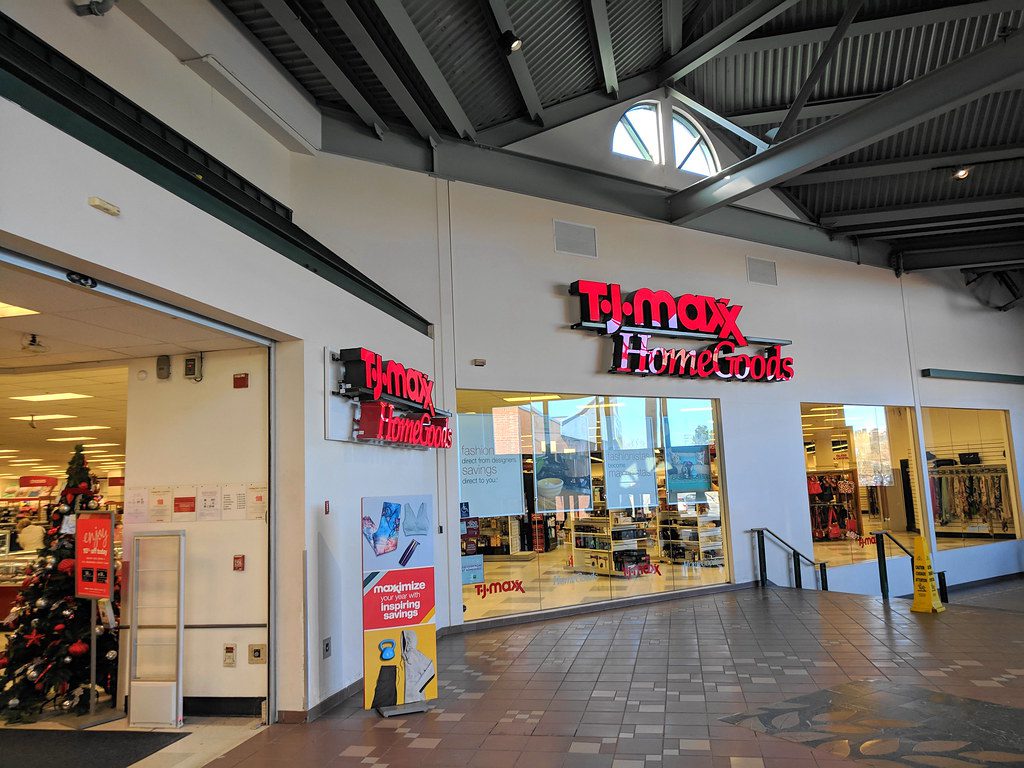
The viral clip practically wrote its own headline: a woman spots a pair of $470 Christian Louboutin heels at T.J. Maxx, then commenters rush in to tell her to walk away. The moment taps into a bigger anxiety that hangs over every off-price designer find, the thrill of a red-bottom bargain colliding with a nagging fear that the deal might be too good to be true. As shoppers argue in the comments, the story stops being about one pair of shoes and turns into a referendum on whether anyone can really trust luxury labels on a discount rack.
Behind that quick-hit drama sits a set of real concerns about counterfeits, store return policies, and how much responsibility falls on the shopper. The warnings that flooded the Louboutin video were not just about one brand or one store; they reflected a whole ecosystem of influencers, retail employees, and resale veterans who have been comparing notes on what can go wrong when designer goods and mass retail collide.

The red-bottom fantasy meets counterfeit fears
Once the $470 Christian Louboutins appeared on screen, viewers mentally did the math: a status symbol that usually runs into four figures, suddenly marked down and sitting under fluorescent lights. That same tension has been playing out elsewhere, with shoppers posting their own yellow-label Louboutin finds at other off-price chains and debating in the comments whether the shoes are a steal or a trap. In one discussion about yellow label Christian heels, users celebrated the discount while also cringing at store stickers slapped directly on the red soles, a tiny detail that captures how high fashion can look oddly out of place in a bargain bin.
The skepticism around that T.J. Maxx clip did not spring out of nowhere. Earlier chatter had already primed shoppers to be suspicious, especially after conversations around Bethenny Frankel and her luxury hauls. On social media, viewers dissected a post described as Betheny Frankel Instagram, where she warned that luxury products sold at T.J. Max were fake and described paying almost full price for what she believed was a fake pair of designer shoes. When a high-profile shopper like that says she feels burned, it primes everyday customers to see every discounted logo as a potential counterfeit, even when the item might be legitimate overstock.
Why shoppers are suddenly on high alert
Alongside celebrity complaints, a growing cottage industry of fashion commentators has been walking viewers through the darker side of the off-price treasure hunt. In one widely shared video, an influencer named Jun breaks down how fake luxury items can slip into retailers like T.J. Maxx and similar chains, and how shoppers can spot them. Jun’s clip, hosted on hi everybody jacob, talks through scenarios where counterfeit pieces mix with real stock, especially when stores rely on third-party vendors or aggressive return policies. That kind of granular breakdown gives viewers a vocabulary for their suspicions, which is why a random pair of Louboutins on a clearance shelf now triggers a full forensic investigation in the comments instead of a simple “nice find.”
People who actually work inside these stores are adding fuel to that caution. In a Reddit thread titled “Got these from a tj max they real or nah?,” one commenter identified as loss prevention for the chain and bluntly stated that There have been of fake items being sold at TJMaxx stores. The commenter described a pattern where someone buys an authentic product, swaps it for something fake, then returns the counterfeit, which slips back onto the floor because front-line staff are not trained to authenticate. That account, which also mentions that this happens with other brands along with Ross, helps explain why shoppers are so quick to warn others away from high-ticket items that look even slightly off.
How to sanity-check a “too good to be true” designer find
All of this leaves the average shopper in a strange spot: the deals are real enough to be tempting, yet the risk feels real enough to be scary. Some experts have tried to bridge that gap with practical checklists rather than pure fear. In a video shared on LinkedIn, a creator named Rachel Gannon breaks down how to tell if a designer bag at a store like T.J. Maxx is genuine off-price excess inventory or something more suspect. Her clip, posted under the line “did you just buy fake designer,” walks through stitching, hardware, labels, and even how price tags are attached, giving viewers a quick field guide for wondering if that is actually what it claims to be.
More from Decluttering Mom: