


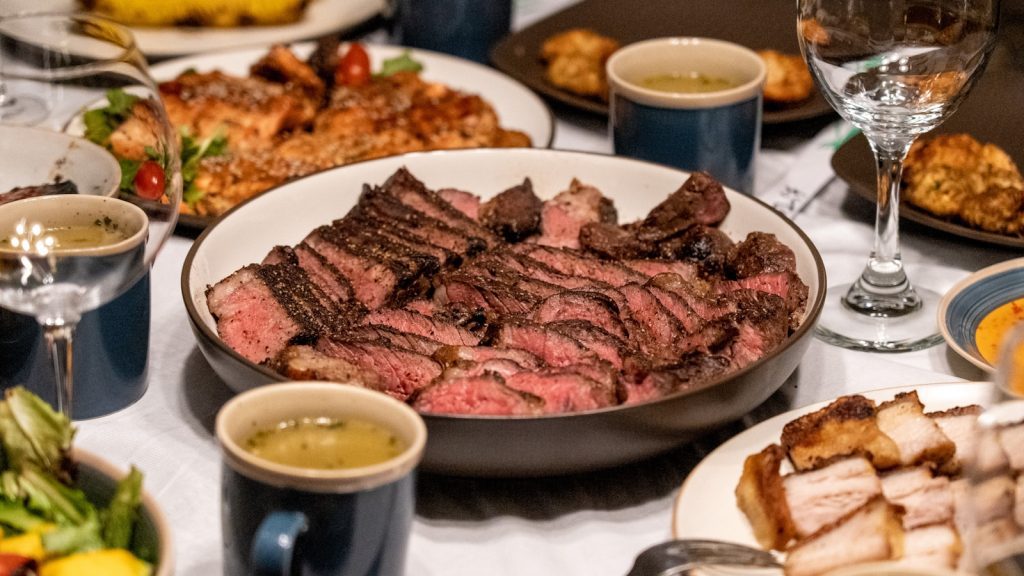
The first bite felt wrong. Instead of that satisfying resistance of a medium-rare steak, the knife slid through like it was cutting into a tub of mousse, and the meat on the plate slumped into a soft, pasty heap. In a moment that has become oddly common in the age of viral food videos, a woman’s night out turned from indulgent to unsettling as she realized her “steak” had the texture of creamy pâté.
Her experience taps into a growing unease among diners who are discovering that not every cut of beef is what it seems, and that a disturbingly tender steak can be a red flag rather than a luxury. Behind that too-soft bite is a mix of industrial processing, aggressive tenderizing, and cost cutting that can turn a simple dinner into a stomach-turning mystery.
When Steak Turns Spongy

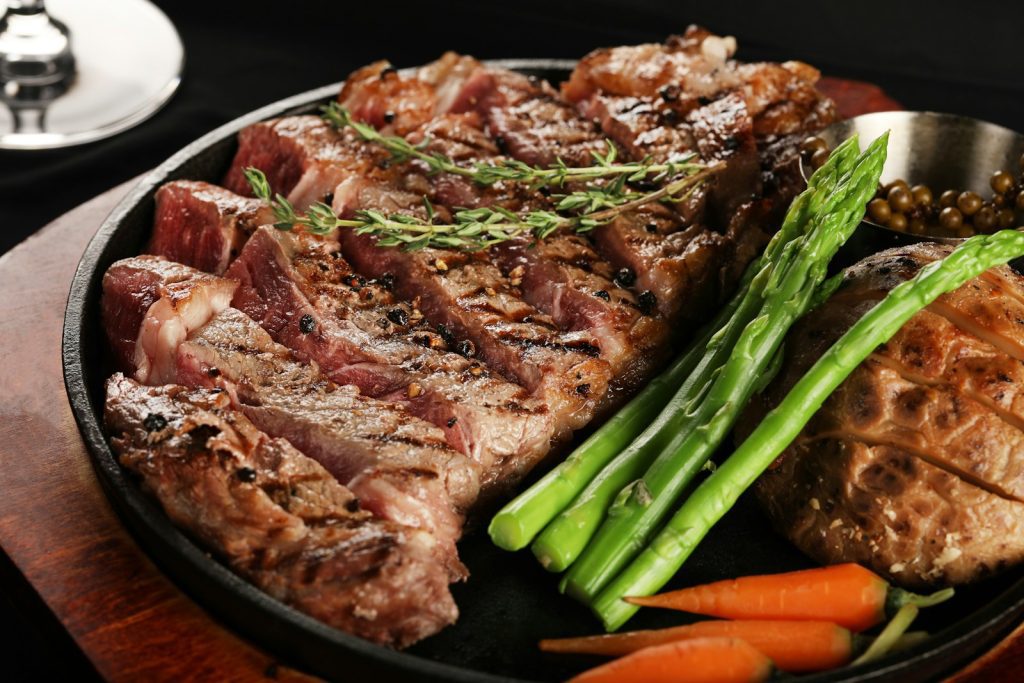
For most people, steak is supposed to fight back a little. That is why the internet recoils whenever a slab of beef behaves more like Jell-O than ribeye. In one widely shared example, a takeout order from Texas Roadhouse left a TikTok user horrified when the meat pulled apart in wet, stringy clumps instead of clean slices. The clip showed a steak that looked fully cooked on the outside but collapsed into a mushy interior, the kind of texture that makes viewers instinctively reach for the “close app” button. The reaction was not just about aesthetics. It was about trust, and the fear that something had been done to the meat long before it hit the grill.
Home cooks have been sounding the alarm too. In one discussion among steak enthusiasts, a user posted photos of raw beef that had started to smear and crumble like spreadable pâté as soon as they tried to portion it. Another commenter pointed out tiny, evenly spaced puncture marks across the surface, the telltale sign of mechanical tenderizing. They argued that the steak had likely been run through a machine with blades or needles and then left too long, which can break down the muscle structure until it behaves more like a paste than a solid cut. That theory lined up with what others had seen in bargain cuts, where aggressive processing can turn raw meat into something that looks more like a failed terrine than dinner.
The Hidden Tricks Behind “Too Tender” Beef
What feels so unsettling about a steak that cuts like pâté is that it hints at invisible shortcuts. Mechanical tenderizing is one of the most common. Industrial blades or needles punch through tougher cuts to make them feel softer, but they can also leave those small holes that sharp-eyed diners notice. In the raw meat turning into pate discussion, commenters warned that when this process is overdone, the muscle fibers can be so shredded that the steak loses its structure entirely. Instead of distinct grain and chew, the meat behaves like a uniform mass, which is exactly how pâté is made on purpose. The difference is that diners ordering a sirloin did not sign up for charcuterie.
Then there is what gets pumped into the meat. Some processors inject lower quality steaks with brines, flavorings, or preservatives to keep them juicy and extend shelf life. According to one detailed explanation shared in a cooking group, Some lower- quality steaks are injected with brine, which can create a strange, sponge-like interior and uneven cooking. The outside may sear beautifully while the inside steams in its own added liquid, leaving pockets and tunnels where the solution pooled. When that steak hits the table, the knife glides through not because the beef is naturally tender, but because the structure has been weakened and waterlogged.
How Diners Can Protect Themselves
For the woman who realized her entrée felt like creamy pâté, the shock was as much about feeling duped as it was about texture. Diners can push back, starting with their eyes. A steak that looks unusually uniform, with a perfectly even color and no visible grain, deserves a closer look. So does meat that shows those neat rows of pinprick holes, a visual cue that it may have been heavily tenderized like the cuts scrutinized in the steak forum thread. At the table, a steak that oozes excessive liquid or collapses into shreds at the lightest touch is another sign that something more than salt and heat has been involved.
As more people share their experiences, from the TikTok customer whose Texas Roadhouse steak turned into a viral cautionary tale to home cooks dissecting the science of spongy beef in Facebook groups, the message is getting clearer. A steak that behaves like pâté is not a quirky one-off, it is often the byproduct of a supply chain that leans on needles, injections, and additives to stretch cheaper cuts into something that can be sold at a premium. For diners, the safest response is to ask questions, pay attention to texture as much as flavor, and remember that when a steak cuts like a soft spread, the real horror is usually what happened to it long before it reached the plate.
More from Decluttering Mom: