

At 22, one woman realized something unsettling: being told to “show them your scar” throughout her childhood wasn’t normal. Growing up with large scars on her abdomen from multiple bowel surgeries, this behavior became a routine part of her life. Every time someone directed her to expose a private part of her body, it left a mark beyond just the physical scars. The idea of showing her scars became so normalized that she didn’t question it until much later.
It wasn’t that she was ashamed of her scars; it was more about the feeling of being treated like an exhibition. The curious onlookers, often prompted by family or friends, would compel her to reveal what she felt should be left private. Despite feeling uncomfortable each time, she complied, believing that this was how things were supposed to be. The discomfort was woven into her daily life, yet she never connected it to anything unusual until recently.

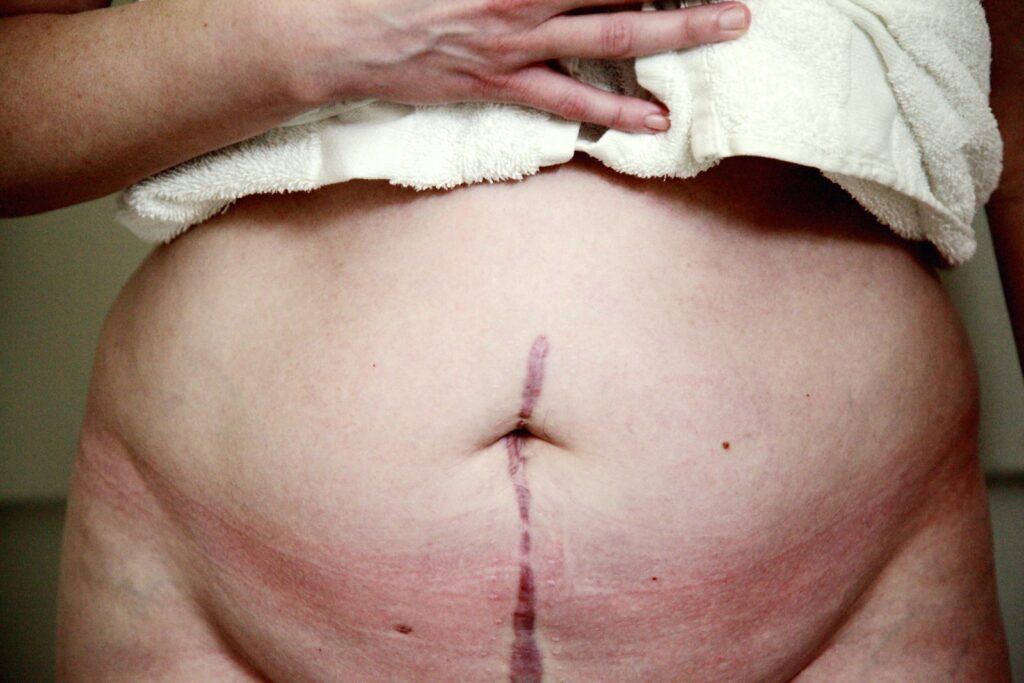
The revelation that most people don’t grow up showcasing their bodies to others hit her unexpectedly. While some might see scars as a story, what was a normal part of her childhood was a source of unease that many haven’t experienced. For her, it felt strange to recognize the difference between her upbringing and that of others. The stark reality was that her body had become a topic of public curiosity, often without her consent.
Some people chimed in with similar experiences, noting that they too felt the pressure of being displayed as something intriguing for others. Others shared their stories of visible scars or disabilities, revealing a common thread: the unexpected normalization of being subjected to the stares and questions of the curious, a practice that many took for granted growing up. They noted how deeply ingrained this behavior can be, often leading to a sense of discomfort or violation.
Many commented on the social dynamic that often surrounds physical differences. Some pointed out how society’s fascination with scars, disabilities, or any visible medical condition can turn personal experiences into public spectacles. The feeling of being on display may lead to complicated emotions regarding self-image and acceptance. For this woman, the realization brought forth a wave of thoughts about how childhood innocence can sometimes be overshadowed by adult perceptions of privacy and consent.
In sharing her story on Reddit, she tapped into a broader conversation about boundaries and bodily autonomy. People’s reactions varied; some were shocked by her experience while others shared their similar stories, reflecting on how their bodies had also become topics of conversation in ways they weren’t comfortable with. This collective sharing of experiences highlighted the importance of understanding personal boundaries, even within family or friend circles.
Others agreed that while sharing scars could foster connection or understanding, it shouldn’t come at the expense of someone’s comfort. The inquiry about one’s physical scars should not be treated as a casual form of entertainment. This simple yet complex interaction stirred a dialogue about how society perceives those with visible marks, both emotional and physical.
As people delved deeper into the nuances of their experiences, one common thread emerged: parental influence often dictates how children perceive their own bodies. Many expressed concern over how familial dynamics can shape a child’s view of privacy. Had the push to “show the scar” set a precedent for how they would navigate their bodies in adulthood? The realization left many questioning the societal norms that led to such interactions.
Ultimately, the conversation sparked a broader reflection on personal agency. While many found it important to share their stories, they also recognized the peculiarities of having their bodies treated as curiosities. The Reddit post prompted introspection about how these early experiences can long shape one’s identity and comfort around their own physical scars.
As the discussion continued, it left participants wondering: might there be a healthier way to connect over our differences without thrusting personal narratives into the public eye? How can vulnerability be shared responsibly, allowing for authentic connection without compromise? The comments echoed with nuance, leaving an open-ended question about the balance between sharing and respecting personal space.
More from Decluttering Mom: