



Becoming bedridden is a jarring change, especially when it feels like the world is slipping away. One mom recently shared her struggles on Reddit, revealing how a disabling condition left her confined to her bed for 95 percent of the time. With her life dramatically altered, the small act of purchasing random items has turned into her only source of temporary relief.
In her post, she detailed the stark reality of her new existence—watching TV on mute due to a painful hearing condition and grappling with an overwhelming sense of misery. It’s not just a case of the blues; it’s an all-consuming despair. The only escape she found was through shopping, a habit that first seemed harmless but quickly escalated into a compulsion. Clothes she wouldn’t wear, countless tarot readings in search of answers, and makeup that remained untouched—it all added up to a stack of purchases that served as her fleeting moments of happiness.

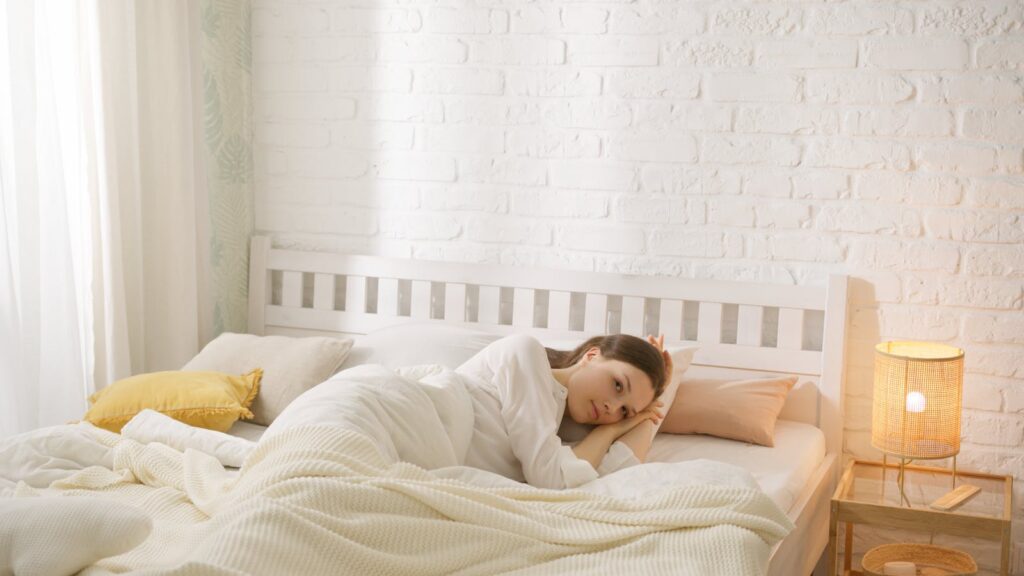
This mother explained that her shopping spree isn’t just about acquiring things. It’s about chasing a feeling, a sliver of joy in a life that feels increasingly dark and stagnant. The purchases provide a rush of dopamine, a chemical that gives her brain a momentary glimpse of happiness. She openly acknowledged that this was unrealistic, a “hoping for better days” mentality that led her deeper into debt and frustration.
Her situation sparked a mix of reactions among fellow Reddit users, many of whom empathized with her predicament. Some people shared their own experiences with shopping as a coping mechanism, highlighting how it offers a brief escape from their own struggles. Others cautioned about the dangers of retail therapy, pointing out the risk of financial strain and emotional dissatisfaction that often follows such habits.
There were those who advised seeking alternatives to cope with her feelings. People suggested exploring hobbies that don’t require financial investment, like drawing or writing. Some emphasized the importance of therapy or support groups, hoping she might find more sustainable sources of comfort. The range of responses reflected a community grappling with similar issues, creating a sense of solidarity amidst the chaos.
Amid the shared experiences, some commenters were more blunt. They challenged her to confront the root of her unhappiness rather than becoming reliant on shopping as a coping mechanism. This led to a discussion on self-worth, raising questions about identity and happiness beyond material possessions. They pointed out that reliance on shopping may offer a temporary fix but not a lasting solution. This exchange added a layer of complexity to her situation, pushing the conversation into deeper emotional territory.
As the thread continued, the mom’s struggle resonated with many. It brought forth a striking reality: beneath the surface of online shopping and impulsive buys is a genuine cry for help. The post not only opened up dialogue about the perils of escapism but also shed light on the intersection of mental health and consumerism. Shopping, in her case, became a double-edged sword—providing immediate relief while exacerbating her sense of loss and isolation.
In the end, the discussion left many wondering about the balance between seeking joy and the potential pitfalls of relying on material goods to fill emotional voids. It raised uncomfortable questions about how far one might go in pursuit of happiness, especially when life takes an unexpected turn. Can the thrill of buying things truly replace the need for genuine connection and fulfillment? Or does it risk compounding loneliness, leaving behind a trail of unopened packages and heavy hearts?
More from Decluttering Mom: