



Blended families are often sold as a heartwarming second chance, but for one couple, merging kids and routines under a single roof turned out to be the worst decision they made together. Instead of the easy camaraderie they imagined, daily life became a grind of small resentments, slammed doors, and kids who felt like guests in their own home. Eventually, they stopped trying to force everyone into one big unit and settled into a strange compromise: living side by side, technically together, but emotionally separate.
When the dream of one big family falls apart

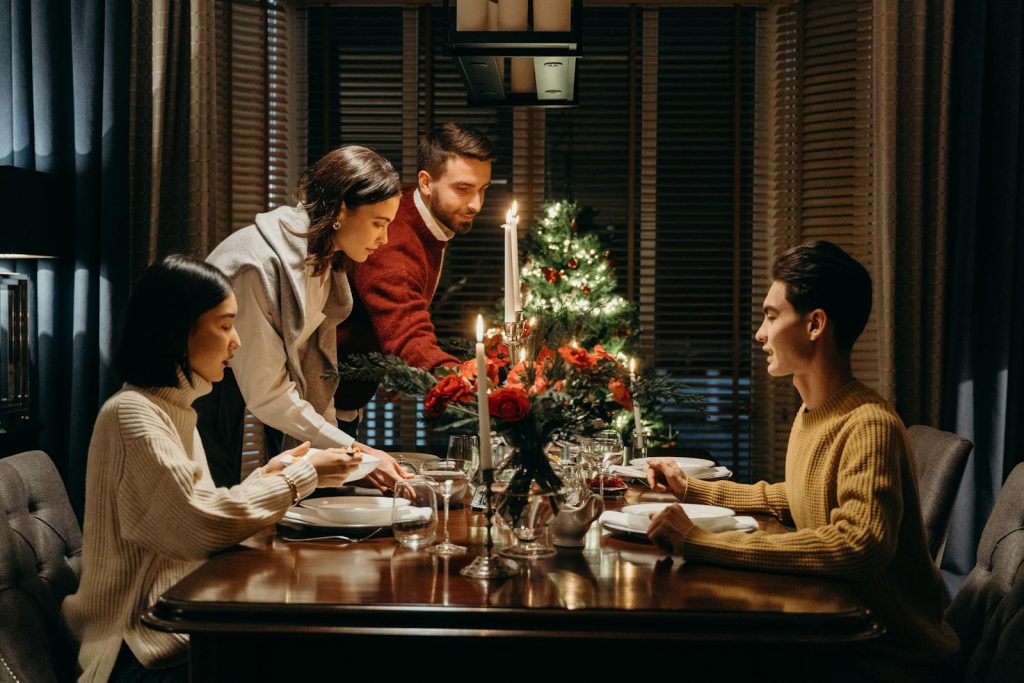
From the start, the odds were stacked against them. Jan walked into the marriage with what she later admitted was very naïve optimism, convinced that love, patience, and a few family game nights could turn a big, complicated household into something cozy and cohesive. She had married into a blended family, and on paper it sounded like a sitcom setup: lots of kids, lots of noise, and eventually, lots of love. In reality, the kids arrived with their own loyalties, habits, and unspoken rules, and no one had asked them whether they even wanted to share bedrooms, bathrooms, or parents.
At first, they tried to engineer closeness. There were house meetings, chore charts, and carefully planned movie nights that were supposed to make everyone feel like a team. They even leaned into the aesthetics of togetherness, buying a larger house and carving out tiny dorm-style bedrooms so each child technically had a bed and a door, if not much actual privacy. There were good moments, and the new setup briefly felt like a fresh start, echoing the way Kate Hudson has described the upsides of juggling three kids with three dads, including the way her family created tiny dorm-style spaces to make everyone feel seen. But logistics could not paper over the deeper problem: the kids had not chosen this experiment, and they were not buying the script.
The daily clashes that broke the illusion
Once the honeymoon glow wore off, the cracks showed up in the smallest, pettiest ways. The children began clashing over everything, from what kind of milk belonged in the fridge to who got the bathroom first before school. One argument over 2% milk versus skim turned into a full-scale referendum on whose childhood traditions mattered more, and music preferences became a proxy war for which side of the family got to set the mood in shared spaces. Those tiny battles added up until the house felt less like a home and more like a crowded hostel where every routine was contested and time spent in or the hallway could trigger a fight.
For the adults, the emotional toll was brutal. Jan and her husband found themselves constantly refereeing, apologizing, and revising house rules that never seemed to stick. She had already learned that optimism alone was not enough, and that living with so in tight quarters made real privacy almost impossible. Every new compromise felt like a quiet admission that the original dream was slipping away. The more they tried to enforce a single family identity, the more the kids dug in, clinging to their original households, their other parents, and the routines that made them feel safe before anyone said “I do.”
Choosing to live side by side, not all tangled up
Eventually, the couple had to admit that the blended-family fantasy was not just struggling, it was collapsing. Facing what felt like the end of their marriage, Jan and her husband made a counterintuitive choice: they stopped trying to blend at all. Instead of pushing shared dinners and joint outings, they decided to live alongside each other, letting the kids keep more of their own rhythms and relationships without forcing constant overlap. Jan described facing what felt and then pivoting to a quieter, less Instagram-ready arrangement where everyone could adapt at their own pace.
That shift meant redefining what “family” looked like inside their walls. Now they live alongside each other in a way that sounds almost like neighboring apartments, even though the address is the same. The kids move in parallel rather than in sync, and the adults focus less on orchestrating togetherness and more on making sure each child feels anchored somewhere. It is a model that mirrors how some large clans, like the one Jan joined when she married into a extended family, stay close even when they are spread across states or, in her case, nearly 2,000 miles from a grandmother who still manages to be present. In this new setup, the blended household is less about one big shared identity and more about a cluster of smaller, overlapping ones that can breathe.
It is not a storybook ending, but it is honest. Jan has been clear that forcing everyone to “blend” backfired, and that Forcing the issue only exposed clashing expectations and loyalties. In the broader parenting world, her experience now sits alongside other candid accounts of how hard it is to merge households, which is why her story appears in parenting coverage that does not sugarcoat the trade-offs. After researching blended families in desperation, she and her husband finally accepted that their best option was to live side by side, not all tangled up, and to let their children adapt at their instead of on the adults’ timeline.
More from Decluttering Mom: