


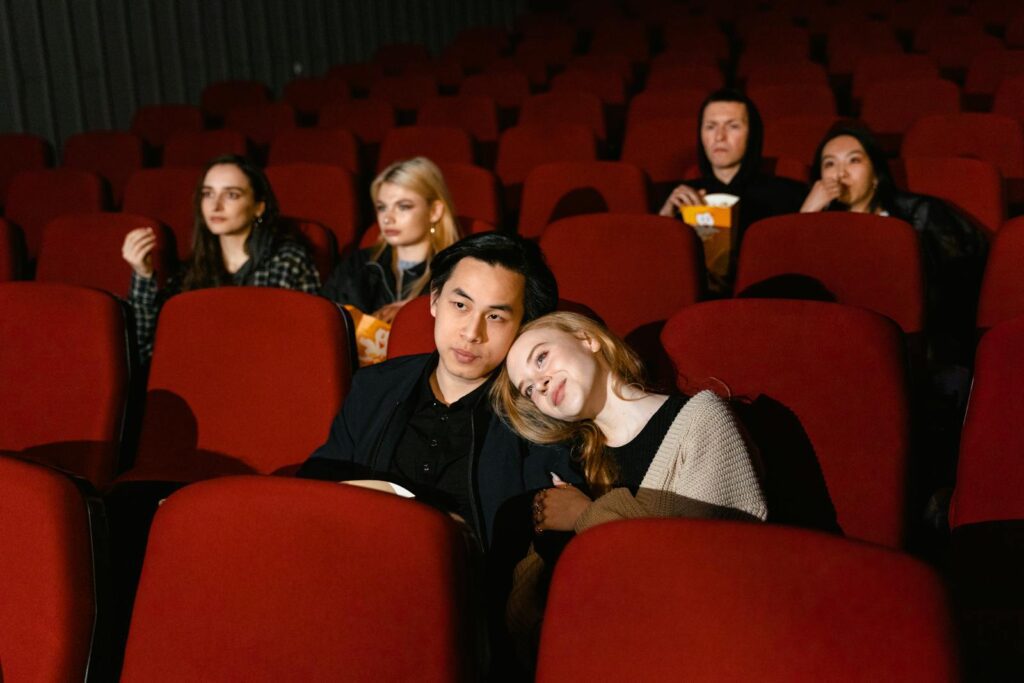
One mom found herself unsettled when she realized that her ex-partner cried during movies but never showed the same emotion when it came to her or their shared experiences. After nearly four years together, raising a child and making plans for marriage, this realization stung. She watched as he teared up over fictional characters and even a song, yet when it came to discussing their life as a couple, he seemed distant and unresponsive.
This mom described her experience of feeling a strange disconnect. She could tell that he was capable of deep feelings—he acted sympathetic at times but seemed to do so almost mechanically. It was as if he was putting on a performance of compassion but wasn’t truly engaged. While it was clear he could relate to the emotions of a movie or a story about someone’s childhood, her own struggles often landed with a thud.


She felt a sharp contrast when witnessing other fathers experiencing raw emotion. The moment of a dad crying during childbirth or the joy on his face while cradling a newborn was something she treasured. Even near strangers reacted with empathy while listening to her talk about hardships, which made her naturally question why her partner couldn’t show similar feelings for her. It was baffling to her that he could connect with fictional stories yet remain emotionally aloof from the mother of his child.
People had very different reactions to her post. Some were quick to empathize, sharing that they too had faced similar situations. They understood how frustrating it could be to feel invisible to someone who should have acknowledged their pain and struggles. Others pointed out that some people simply process their emotions differently. Not everyone finds it easy to express feelings in real life, even if they’re deeply affected by art or stories.
Another perspective came from users who suggested that emotional availability can vary from person to person. Some mentioned that men, in particular, might be conditioned to hide their feelings, leading to a disconnect when they are expected to show vulnerability in real-life situations. One commenter even remarked that it’s not uncommon for people to be more comfortable expressing their emotions in safe or fictional contexts, where they don’t feel exposed.
Others echoed the sentiment that relationships don’t always mirror the emotional dynamics seen in movies. They pointed out that real life involves complex feelings and not everyone can navigate those complexities, particularly regarding romantic relationships that often come with their own set of pressures and expectations. This could explain why the mom’s experiences were met with indifference from her ex.
As the discussion unfolded, perspectives varied even more. Some users were sympathetic and felt that the mom deserved significant emotional recognition from her partner. They argued that part of being a parent means recognizing and sharing in both the joys and challenges of raising a child together. This lack of emotional engagement could lead to feelings of isolation, particularly for someone who had invested so much into the relationship.
On the contrary, a few users suggested that perhaps romantic partners should not have to fulfill every emotional need. They emphasized the importance of individual emotional health and self-awareness in relationships. This sparked discussion about the balance between needing support and being able to stand alone emotionally.
This mom’s experience raises questions about emotional expression in relationships, especially in the face of life-changing events like becoming parents. It prompts a deeper reflection on emotional connections and how they are navigated in both familiar and unfamiliar territory. Why can some find it easier to connect with what feels safe or fictional while struggling to confront real-life emotions?
It’s not just a matter of crying or showing tears; it goes beyond that, touching on the complexities of love, support, and understanding in relationships. The discussion left many wondering about their own experiences and about the emotional landscape of their partnerships. How does one measure emotional engagement, and what happens when that engagement feels uneven?
More from Decluttering Mom: