


When a woman’s father died, the only thing she was certain she wanted was his old toolbox. What began as a bitter argument among relatives over a pile of rusted wrenches and dented cases ended with the family discovering that the tools were not junk at all but a surprisingly valuable collection. Their story captures how grief, money and memory collide when an estate is reduced to objects that some see as clutter and others treat as a last link to a parent.
Across social media, similar accounts of disputed tool chests, workshop benches and inherited gear show how easily families underestimate both the financial and emotional worth of what a parent leaves behind. The woman at the center of this story eventually learned that her father’s tools were worth big money, but the real reckoning came earlier, when relatives realized they were not just dividing hardware, they were deciding who would carry his legacy.
The Rusted Toolbox That Sparked a Family Fight

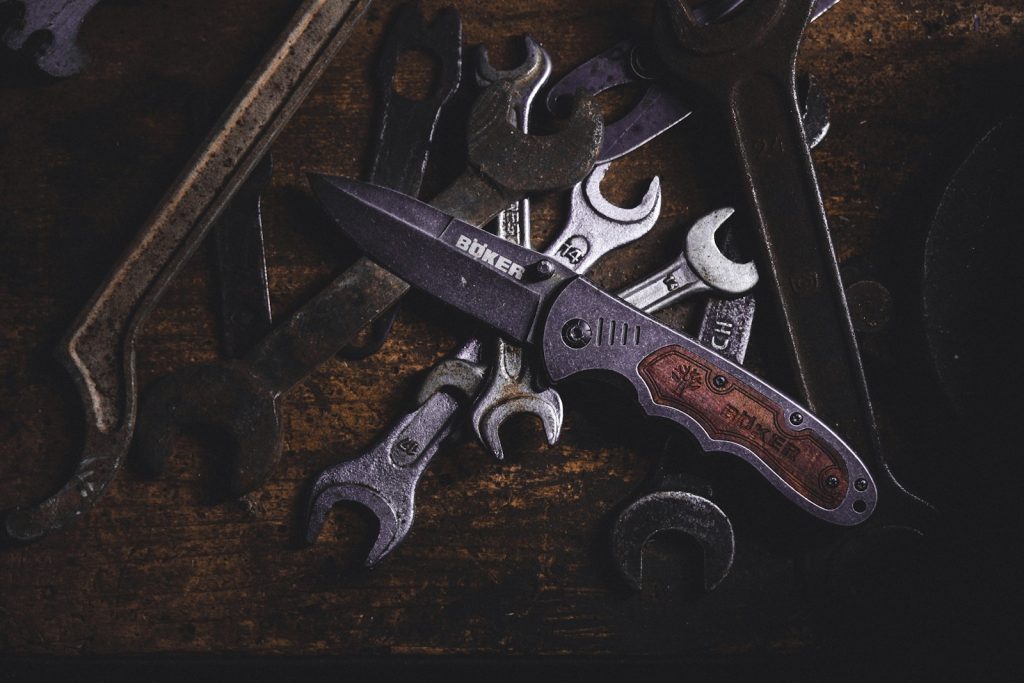
The conflict began in a cramped garage, where siblings and a stepmother circled a battered metal box that looked more like scrap than inheritance. The woman later described how, after her Father died, she was told she would receive only a rusted toolbox while other, cleaner assets were divided elsewhere, a slight that quickly escalated into raised voices and accusations. In a social post that linked to a longer account of how her Father Left her a Rusted toolbox, she recalled relatives dismissing the box as “junk” and insisting it should be sold off in a bulk lot, a reaction that turned a simple division of property into a referendum on who mattered most to the man who owned those tools.
What none of them realized in that moment was that the toolbox contained decades of careful collecting, including specialty pieces their father had used to build furniture, repair cars and take on side jobs that helped pay family bills. The woman’s insistence on keeping the box, even when it seemed like the least valuable item in the room, set her apart from relatives who were focused on bank accounts and real estate. Her determination to hold on to the Rusted case, documented in the shared story of how she inherited only a rusted toolbox until her stepmother tried to redirect it, became the first sign that the tools might carry a worth that could not be measured by surface rust alone, a tension that would only grow as she began to look more closely at what was inside the box.
Grief, Resentment and the Psychology of “Dad’s Stuff”
Psychologists who study bereavement often note that fights over possessions are rarely about the objects themselves, and the woman’s family drama fits that pattern. In her account, the argument over the toolbox unfolded in the same breath as old complaints about favoritism, unpaid loans and who had spent more time caring for their father in his final months. The toolbox became a stand-in for unresolved questions about love and loyalty, a dynamic echoed in other inheritance disputes where relatives fixate on a single item, from a watch to a car, as proof that they were seen and valued. The emotional charge around “Dad’s stuff” is amplified when the items are tied to his daily routines, like the tools he used every weekend, which can make even a simple socket set feel like a sacred relic.
Online communities are filled with similar stories, including one thread where a user described their own tool inheritance and received replies that opened with phrases like “Sorry for your loss” and “Not looking forward to that one day,” underscoring how many people anticipate both grief and conflict when a parent dies. In that discussion of tool inheritance, commenters shared how they had clung to a single hammer or drill because it still carried their father’s handwriting or oil stains, even when other relatives saw only clutter. The woman who fought for the rusted toolbox was navigating the same emotional terrain, trying to protect an object that felt like a physical memory while others treated it as a negotiable asset.
When Sentimental Clutter Turns Out to Be Valuable
The turning point in the woman’s story came after the dust settled and she finally opened the box in private, expecting to find little more than worn pliers and stripped screwdrivers. Instead, she discovered branded hand planes, precision measuring tools and vintage wrenches that looked far more specialized than the discount sets sold in big-box stores. At first she assumed the value was purely sentimental, a reminder of afternoons spent watching her father work, but curiosity led her to start researching the markings and model numbers stamped into the steel. That research revealed that some of the pieces were sought after by collectors and professional tradespeople, with individual tools selling for more than entire new kits.
Her experience mirrors a broader pattern in which families underestimate the market value of what they dismiss as “old junk,” only to learn later that certain brands, eras or limited runs can command high prices. In one crafting community, a user named Mar described how She sat silently on the stairs after a loss, then Later showed a relative an older man on the Tedooo app who specialized in restoring and reselling vintage equipment, a discovery that changed how they viewed the dusty items in their home. That account of Mar, how She processed grief, and how Later she turned to Tedooo for guidance illustrates how quickly “sentimental clutter” can become a source of real income once someone recognizes the niche markets that value it.
Inside the Toolbox: Hidden Markets for Vintage Tools
Once the woman realized her father’s tools might be worth more than she thought, she began cataloging what she had inherited, separating common items from those with distinctive logos, patent dates or unusual designs. Collectors often prize tools from specific manufacturers, and certain hand planes, chisels or mechanic’s sets can sell for hundreds of dollars if they are complete and in restorable condition. The woman’s rusted box turned out to contain several such pieces, including specialty wrenches and measuring devices that were no longer produced, which made them attractive to both enthusiasts and working tradespeople who prefer older, durable designs. What had looked like a random assortment of metal was in fact a curated toolkit built over a lifetime, with each purchase reflecting her father’s standards and skills.
Other families have stumbled into similar discoveries, sometimes sharing their surprise in niche groups where members trade stories about mysterious tool finds. In one such group, a post about a “Mysterious toolbox inherited from dad” prompted comments from people like Carol Walde and Ann Engel, who recognized certain items from their own parents’ workshops. The author of that post, identified as Selma Soso, was listed as Author and directed readers to a Full story in the first comment, inviting them to Voir how a simple box of tools could open a window into a parent’s past. That discussion of a mysterious toolbox underscores how often heirs overlook the specialized markets that exist for exactly the kind of gear their parents quietly collected.
How Probate Confusion Fuels Family Conflict
Behind the emotional drama of the rusted toolbox was a more mundane problem: no one in the family fully understood the probate process or how the estate should be divided. The woman’s stepmother initially treated the tools as disposable, while other siblings assumed that anything not explicitly listed in a will could be claimed on a first-come, first-served basis. That confusion about what counted as part of the estate, and who had the authority to decide its fate, made it easier for resentments to flare. Without clear guidance, even small items like a socket set or drill press became symbols of perceived injustice, especially when relatives suspected that someone was quietly setting aside the “good stuff” before everyone else had a chance to look.
Similar chaos has been described by entrepreneurs who turned their own inheritance struggles into business ideas. One founder recalled how, After her father’s death, she and her siblings were left to sort through belongings scattered across multiple locations while probate felt like a confusing maze, a situation that inspired her to create a service to simplify estate organization. In that account of what happened father’s death, the lack of structure turned every box and drawer into a potential flashpoint. The woman who inherited the rusted toolbox was navigating the same legal and logistical fog, which magnified the stakes of every decision about what to keep, sell or discard.
When Inheritance Disputes Turn Dangerous
Most fights over tools and heirlooms end with hurt feelings rather than headlines, but some inheritance disputes escalate into far more serious confrontations. The emotional intensity that surrounds a parent’s estate, especially when relatives feel excluded or cheated, can push long simmering tensions to a breaking point. In the woman’s case, the argument over the toolbox remained verbal, but the bitterness it exposed echoed more extreme cases where disagreements over who gets what have led to threats, restraining orders and, in rare but chilling instances, violence. The combination of grief, perceived betrayal and financial pressure can make even modest assets feel worth fighting over at any cost.
One stark example comes from a case examined in a true-crime series, where producers offered a First Look of Season coverage of a killing tied directly to an inheritance feud. In that story, which unfolded in an Episode of a show titled Fatal Family Feuds, relatives clashed over who would benefit from an estate, and one family member, Kelly Fuss, was murdered after tensions rose over who might be cut out of any of the inheritance. The account of how to Watch that case unfold underscores the extreme end of a spectrum that begins with smaller disputes like the rusted toolbox. While the woman’s family did not cross that line, their story sits on the same continuum of unresolved grievances that can, in the worst circumstances, turn deadly.
Why Tools Carry Outsized Emotional Weight
Tools occupy a particular place in family memory because they are tied to action, skill and identity. For many children, their earliest images of a parent involve watching them fix a leaking pipe, tune an engine or build a bookshelf, all with the same battered screwdriver or tape measure. The woman who fought for her father’s toolbox was not just claiming metal and wood, she was holding on to the sounds and smells of his workshop, the rhythm of his work and the pride he took in solving problems with his hands. That emotional weight helps explain why she was willing to endure conflict with siblings and a stepmother over something that, at first glance, looked like scrap.
Online, people who share stories about inherited tools often describe them in almost biographical terms, as if the objects themselves contain a record of the owner’s life. In the thread about tool inheritance, for example, commenters talked about how a parent’s favorite wrench still bore the marks of past projects, or how a dented toolbox lid told the story of a dropped engine block or a rushed repair. Those details resonate with the woman’s experience of opening her father’s rusted box and recognizing specific items from childhood memories. The emotional charge of such objects can easily outstrip their monetary value, which is why discovering that the tools were also worth big money felt less like a windfall and more like a validation of what she already knew: her father’s work had always been valuable.
From Family Feud to Financial Lesson
Practical Takeaways for Families Sorting a Loved One’s Tools
Supporting sources: father died, a.
More from Decluttering Mom: