



You notice the pause after a cutting comment and wonder whether he’s being truthful or just unkind. That uncertainty eats at you because honesty should build trust, not chip away at it. If his words consistently leave you hurt, dismissing them as “just honesty” doesn’t make them honest — it makes them a way to avoid responsibility.
This piece will help you spot when criticism crosses into cruelty and give practical responses to protect your self-worth while staying true to what matters in a healthy relationship. Keep going to learn how to recognize patterns, name the behavior, and choose how to respond.
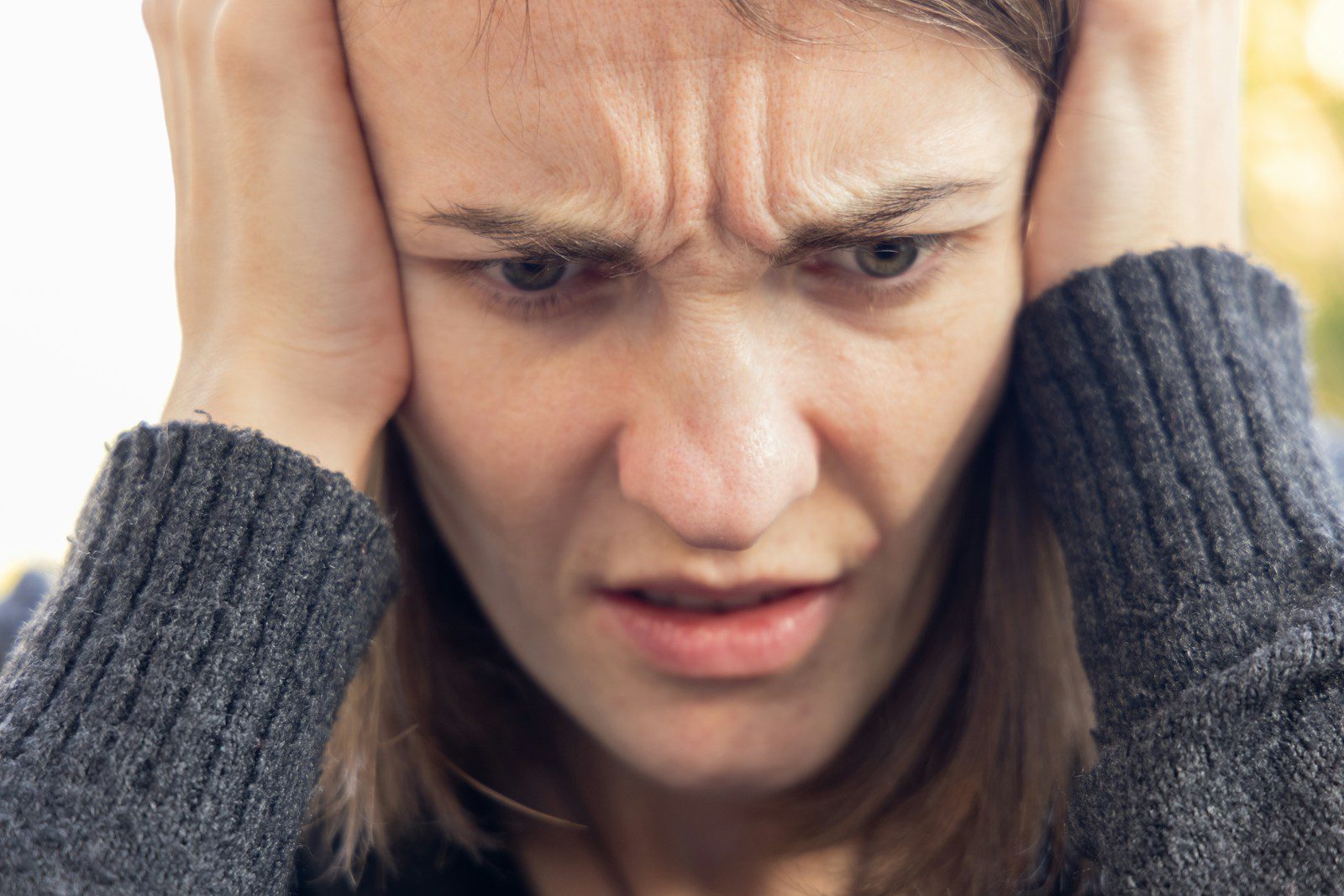
When ‘Just Honesty’ Turns Hurtful
She often hears the phrase “I’m just being honest” when comments cut deeper than facts. Hurtful honesty usually targets identity, repeats over time, or aims to control, not to inform.
Real-Life Examples of Harmful Honesty
She might be told, “You’re too sensitive — that’s your problem,” after asking for clarity. That frames her emotional response as a flaw instead of addressing the issue. Another example is: “You look terrible in that; no one will want you,” which attacks appearance and worth, not behavior.
These remarks present as blunt truth but function to shame. They often occur in front of others to humiliate or in private to undermine confidence. When delivered as a rule rather than feedback, they leave her anxious about sharing thoughts or asking questions. Repeated examples like these erode self-esteem and make repair difficult.
Common Patterns in Hurtful Communication
Hurtful “honesty” follows predictable patterns: personal attacks disguised as facts, global statements from single incidents, and refusal to consider her perspective. He may use absolutes — “you always” or “you never” — to erase nuance and shut down discussion.
Another pattern: placing blame on her character for consequences of situational choices, such as saying “you’re lazy” when she misses a deadline because of burnout. A third pattern is gaslighting language paired with “honesty,” which invalidates her memory or feelings. These tactics steer conversations away from solutions and toward control.
Recognizing Red Flags in Relationships
Frequent use of “just being honest” that leaves her fearful, withdrawn, or apologizing for expressing needs flags a problem. Watch for escalation: critiques that become more personal, more frequent, or that people around them notice and avoid.
Other red flags include refusal to apologize, turning criticism back on her for reacting, and rewarding herself with affection only after she accepts the put-downs. If honesty consistently sacrifices respect or safety, she should document incidents, set boundaries, and consider outside support such as counseling or trusted friends.
The Fine Line Between Honesty and Cruelty
She often hears comments framed as blunt truth but feels small afterward. The difference usually comes down to why the remark was made and how it lands with the listener.
Intent Versus Impact in Communication
Intent matters, but impact matters more in relationships. If he says something to correct a behavior and follows with specific examples or offers help, that shows constructive intent. If he claims “just being honest” yet never offers solutions or acknowledges her feelings, the impact becomes damage.
People can intend to be helpful yet still hurt someone; that still requires repair. A partner who notices the harm and apologizes or changes how they speak demonstrates concern. A partner who insists the hurt is her problem and reiterates “I was honest” prioritizes intent over impact and avoids responsibility.
Signs Your Partner’s ‘Honesty’ Is Masking Insensitivity
Look for patterns, not isolated comments. Repeated remarks that demean appearance, competence, or emotions under the banner of honesty are red flags. Frequency, tone, timing, and audience matter: insults in private differ from public shaming, but both can be harmful.
Also watch for selective honesty—he criticizes when it suits him but refuses to accept feedback. Gaslighting phrases like “you’re too sensitive” or “I’m just telling the truth” paired with laughter or dismissiveness point to defensiveness, not candor. Keep a short checklist: repeated put-downs, refusal to apologize, no concrete suggestions for change.
How Cruelty Can Hide Behind ‘Just Being Honest’
Cruelty often wears the cloak of bluntness to avoid accountability. Statements framed as absolute truths—”You always…” or “You’re just…”—attack identity rather than behavior. That’s less about accuracy and more about control.
Cruelty also shows up as inconsistency: exacting standards from her while exempting himself. When “honesty” is used to assert dominance, to undermine confidence, or to isolate her from friends and support, it’s manipulative. Concrete signs include turning feedback into insults, escalating over small mistakes, and using truth claims to justify repeated hurtful language.
How to Respond to Hurtful Comments in a Relationship
She can protect her dignity, set limits on what’s acceptable, and find practical ways to get support when remarks cross the line.
Setting Healthy Communication Boundaries
She should name specific behaviors she won’t accept, not vague rules. For example: “Don’t call me lazy or tell me I’m overreacting during disagreements,” or “No name-calling, and no bringing up past mistakes to win a current argument.” Clear, measurable boundaries make enforcement straightforward.
She must communicate boundaries calmly and at a neutral moment, not in the heat of an argument. Using “When you say X, I feel Y” statements keeps the focus on actions and effects rather than attacking character.
If the partner repeats those behaviors, she needs a pre-agreed consequence—leaving the room, pausing the conversation, or seeking couple’s counseling. Consistent follow-through teaches that words have outcomes.
Expressing Your Feelings Without Escalation
She should use brief, concrete statements about her experience: “When you said that, I felt humiliated.” Short sentences reduce defensiveness and keep the conversation manageable.
She can limit escalation by controlling tone and timing. Speak softly, pause between sentences, and avoid absolute language like “always” or “never.” If the partner gets louder, she can say, “I’ll continue this when we can both stay calm,” and step away.
She should prepare a short script for recurring patterns so emotions don’t derail her point. Rehearsed phrases such as “I want honesty, but not insults” or “I need feedback delivered kindly” help her stay grounded and clear.
Seeking Support From Friends or Therapists
She should pick two trusted people who will listen without taking sides and give concrete feedback. Ask them to reflect what they heard and suggest one next step—this keeps advice actionable and focused.
If comments are frequent or feel controlling, she should consult a licensed therapist for individual work or a couples therapist for joint sessions. A clinician can map patterns, teach boundary enforcement, and provide safety planning if emotional abuse appears.
She can also document incidents: dates, wording, and context. A simple log helps therapists spot trends and supports decisions about whether to escalate to professional help or change relationship terms.
More from Decluttering Mom: