



A routine visit to a luxury jewelry store turned into an uncomfortable moment for one woman who simply wanted her engagement ring cleaned. When she brought her ring to Tiffany & Co. for a standard cleaning service, staff members discovered the ring wasn’t actually from their store, leading to an awkward exchange that left her feeling embarrassed about the origins of her jewelry. The incident highlights how a simple request for maintenance can unexpectedly reveal uncomfortable truths.
The woman attempted to get her ring cleaned at the high-end retailer, but the staff asked where the ring came from after noticing it wasn’t a Tiffany & Co. product. The situation quickly became uncomfortable as the realization set in that her ring wasn’t from the luxury brand she had believed it to be.
The experience raises questions about how luxury retailers handle situations when customers bring in products from other sources. Staff reactions when discovering a ring isn’t from Tiffany & Co. can vary, but this particular encounter left the woman feeling judged and humiliated in what should have been a straightforward service request.
What Happened at Tiffany & Co. When the Ring Was Brought In

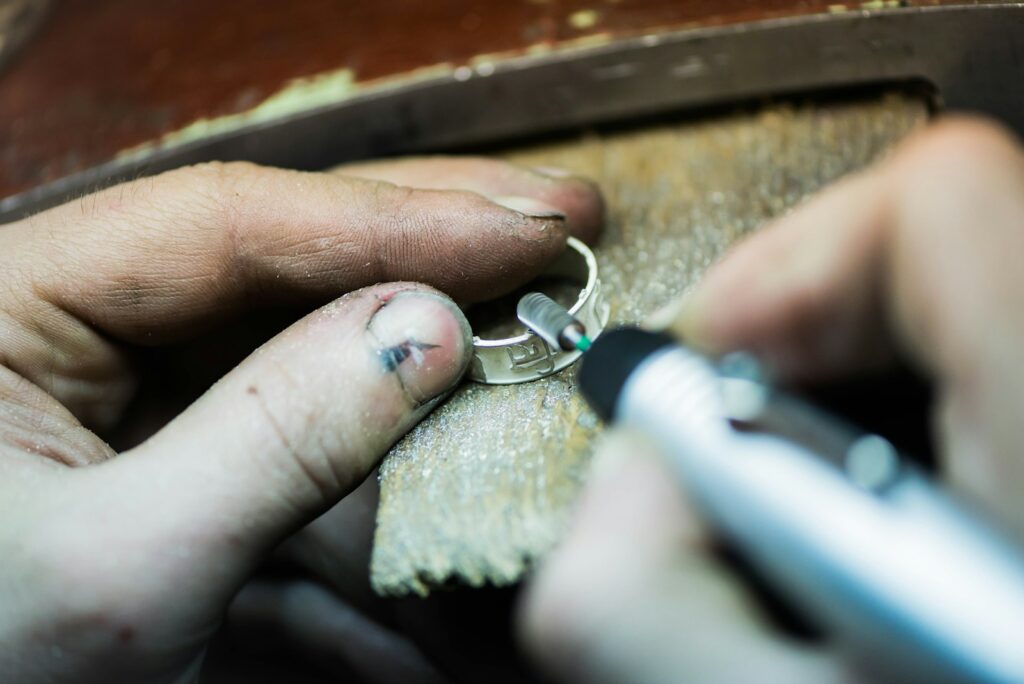
The woman walked into Tiffany & Co. expecting a routine cleaning service for what she believed was an authentic piece from the luxury jeweler. Instead, staff members quickly identified that something was off about the ring, leading to an awkward exchange that left her feeling embarrassed about the jewelry’s true origins.
The Staff’s Immediate Response
When the woman presented her ring for cleaning, Tiffany & Co. staff asked where the ring was from because they recognized it wasn’t a Tiffany & Co. brand product. The jeweler’s trained eye immediately spotted inconsistencies with authentic Tiffany pieces.
The store employees’ questioning caught her off guard. She had assumed the ring was genuine based on the packaging it came in. Their professional assessment made it clear they knew the piece didn’t match their quality standards or design signatures.
Revealing the Ring’s Origin
The ring had arrived in an authentic Tiffany and Co. box, which initially convinced the woman of its legitimacy. She brought it to the store because the ring was too big and needed resizing.
The staff’s inspection revealed that the engagement ring actually cost around $6, not the thousands typically associated with authentic Tiffany jewelry. The solitaire diamond ring was a knockoff despite being presented in the iconic blue box. Her fiancé had apparently misrepresented the ring’s value and authenticity when he proposed on Christmas Day.
Why the Reaction Was Humiliating
The woman described feeling “so low class” after the staff’s questions and subsequent discovery. Being told in a luxury retail environment that her engagement ring was fake created an intensely awkward situation.
The experience was particularly mortifying because she had been “literally over the moon” when she received what she thought was a prestigious Tiffany engagement ring. Learning the truth in front of store employees added a public element to her private disappointment. The contrast between her expectations and reality made the moment especially painful, transforming what should have been a simple cleaning appointment into an embarrassing revelation about both the ring and her relationship.
How Store Reactions Shape Customer Experiences
When customers walk into a high-end jewelry store expecting professional service, the staff’s demeanor can make or break the entire visit. A dismissive glance or judgmental comment about where a piece came from transforms what should be a routine interaction into an uncomfortable confrontation.
Expectations Versus Reality in Luxury Retail
Most people entering a Tiffany & Co. location anticipate courteous treatment regardless of what they’re bringing in for service. The brand has spent decades building a reputation through its marketing strategy focused on craftsmanship and cultural relevance, which sets a particular standard in customers’ minds.
When someone brings in a ring for cleaning, they’re not necessarily claiming it’s authentic Tiffany merchandise. They simply want the service advertised. The disconnect happens when staff members make assumptions about the customer’s knowledge or intentions based solely on the item’s origin.
Luxury retailers train employees to handle all interactions with grace, but real-world execution doesn’t always match corporate ideals. A customer carrying a non-Tiffany piece might expect polite redirection to appropriate services, not public embarrassment about the ring’s provenance.
The Emotional Impact of Staff Judgments
Being told a cherished piece doesn’t meet store standards hits differently than a simple policy explanation. The woman in this situation didn’t just hear “we can’t help you”—she felt judged for not owning the “right” kind of jewelry.
Staff reactions that suggest surprise, disappointment, or condescension communicate volumes beyond the actual words spoken. Raised eyebrows, exchanged glances between employees, or a suddenly cold tone signal to the customer that they’ve somehow failed an unspoken test.
These moments stick with people long after they leave the store. What started as a practical errand becomes a story about feeling unwelcome in a space that markets itself as aspirational and inclusive.
Lessons for Jewelry Owners
People who own rings from various retailers now think twice before seeking service at stores where they didn’t make the original purchase. The experience taught this particular customer that brand-specific services come with invisible requirements about authenticity and origin.
Other jewelry owners hearing this story might skip professional cleaning altogether rather than risk similar treatment. They’ve learned that even walking through the door with a competitor’s product can invite scrutiny they’d rather avoid.
The incident also highlights why checking store policies online before visiting saves potential awkwardness. Many retailers clearly state they only service their own merchandise, information that prevents mismatched expectations from turning into uncomfortable encounters.
More from Decluttering Mom: