

You often think cleaning will make your hardwood floors look better, but common habits like using too much water, all-purpose cleaners, or oily polishes leave a residue that makes wood look cloudy instead of shiny. Use a pH-neutral cleaner and a lightly damp microfiber mop, and dry immediately to avoid streaks and buildup that dull the finish.
This post explains why standard cleaning techniques hurt hardwood finishes, how product residue and excess moisture cause the loss of shine, and simple steps to restore and keep gleaming floors. Follow practical tips that protect your investment and bring back the natural luster of your wood.

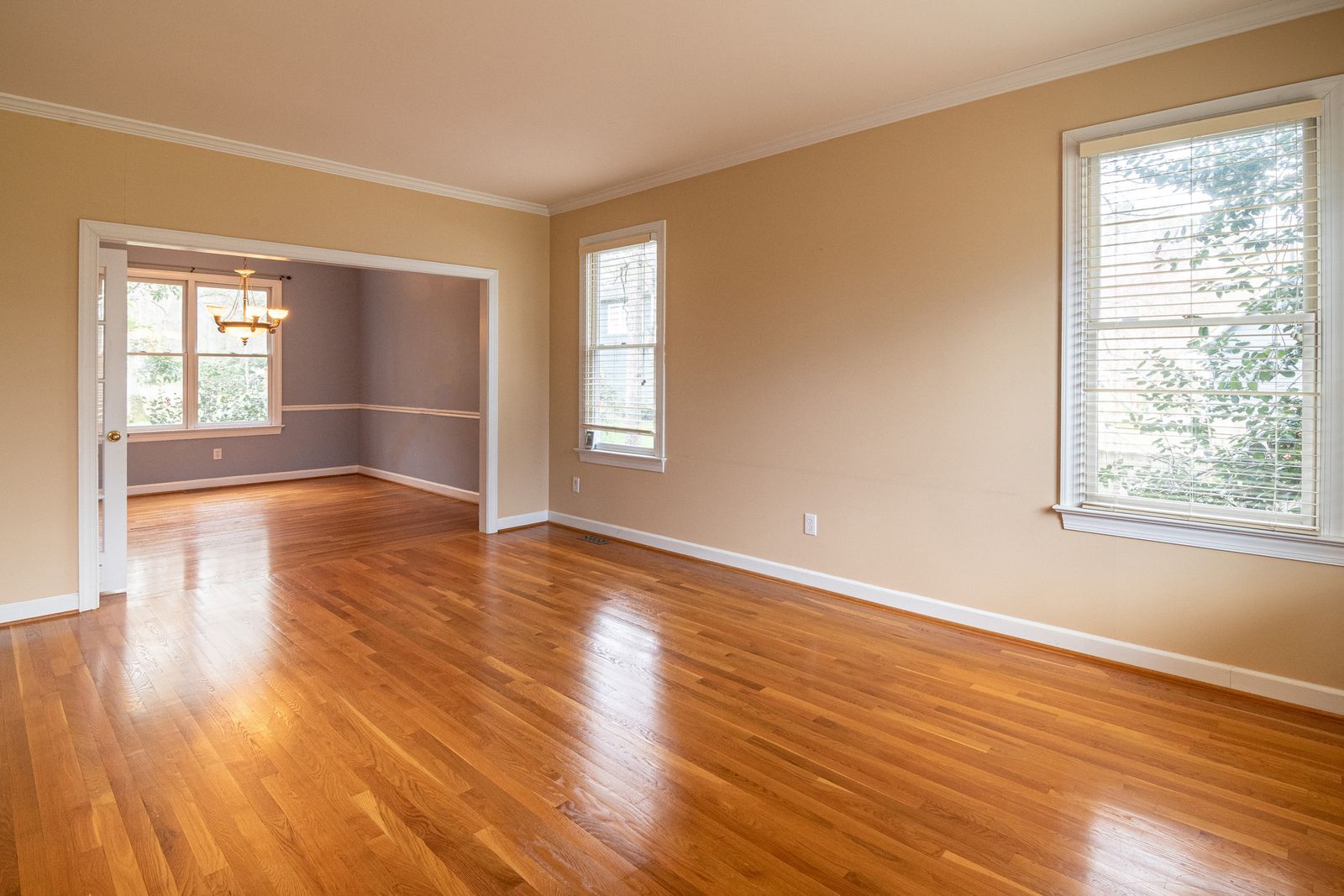
Why Wood Floors Lose Their Shine Quickly
Your floors can go from warm and reflective to flat and cloudy after routine cleaning. Small choices—what you spray, how much water you use, and whether you remove grit—directly affect the finish and how light reflects off your boards.
Common Cleaning Mistakes That Cause Dullness
Using multipurpose sprays, oil soaps, or DIY vinegar solutions leaves a thin film that scatters light and makes hardwood look cloudy. You might think a glossy product adds shine, but oily residues attract dirt and build up in low spots between planks.
Oversaturating floors with liquid is another frequent error. Standing moisture soaks into edges and seams and weakens the finish over time. Rely on a lightly damp microfiber mop and a spray mop to control solution amounts.
Neglecting dry maintenance also speeds dulling. Dirt and grit act like sandpaper underfoot; even small particles caught under shoes abrade the polyurethane finish. Sweep daily with a soft-bristle broom or vacuum with a hard-floor setting, and use entry mats and furniture pads to reduce wear.
The Role of Residue, Water, and Harsh Cleaners
Residue alters how the polyurethane finish refracts light. Acrylic and oil-based residues form a smear layer that reduces gloss and masks the wood’s depth. A pH-neutral cleaner formulated for hardwood avoids this problem.
Water damages finishes by swelling wood fibers and lifting the finish at seams. Repeated exposure accelerates micro-cracking and cloudiness. When you clean, wring mops thoroughly and follow with a dry microfiber pad to remove lingering dampness.
Harsh alkaline cleaners and bleach strip protective coatings and dull the factory-applied polyurethane. Strong chemicals can remove surface polymers, leaving wood vulnerable. Choose products labeled safe for hardwood and test in an inconspicuous spot before treating large areas.
How Scratches and Everyday Wear Affect Appearance
Scratches scatter light and create a matte look even if the finish remains intact. High-traffic zones—hallways, entryways, and under dining chairs—show this wear first. Use felt furniture pads and move protective rugs to distribute wear evenly.
Small abrasions accumulate into visible dull patches over time. Regularly dusting prevents abrasive particles from grinding into the finish. For deeper damage, spot-sanding and a compatible polyurethane touch-up restores gloss better than repeated cleaning alone.
Preventive steps keep the finish readable and reflective: install furniture pads, trim pet nails, and keep grit out with doormats. These actions protect the polyurethane finish and help maintain the original sheen of your hardwood.
Restoring and Maintaining Gleaming Hardwood Floors
Keep dirt out, use the right cleaner and mop, and protect high-traffic areas to prevent dulling. Small, consistent steps—correct tools, correct technique, and occasional polish—preserve shine and cut down on costly repairs.
Choosing the Right Tools and Cleaners for a Streak-Free Finish
Pick a microfiber mop for everyday cleaning; its fine fibers trap dust and grit without scratching the finish. Choose a flat microfiber pad rather than a string mop to avoid excess water on the wood.
Use a pH-neutral cleaner or a labeled hardwood floor cleaner diluted exactly per the manufacturer’s directions. Avoid vinegar, ammonia, or oil soaps that can dull or leave residue. For factory-finished floors, check the floor maker’s guidance before using any product.
Keep two buckets if you wet-mop: one with clean solution and one to wring the mop. Replace mop pads when they get grimy to prevent streaks. Store cleaners away from heat and follow ventilation instructions on the label.
Proper Cleaning Techniques for Clean Hardwood Floors
Start by sweeping or vacuuming with a hard-floor setting to remove grit that causes micro-scratches. Move furniture or use furniture pads before scrubbing to prevent dragging marks.
When mopping, wring the microfiber pad until it’s damp, not wet. Work in small sections along the grain and dry each area immediately with a clean microfiber cloth to prevent water spots. Change the mop pad when it picks up visible dirt to avoid redepositing soil.
Tackle scuff marks with a soft cloth and a tiny amount of hardwood cleaner applied directly to the cloth. For sticky spots, let a damp microfiber pad sit briefly to loosen residue, then lift it away—don’t rub aggressively.
Safe Polishing and Protecting Strategies
Only polish when the finish manufacturer approves a polish product for your floor type. Use a hardwood floor polish formulated for your finish (urethane, oil-modified, etc.) and follow the coverage and cure times on the bottle.
Apply polish in thin, even coats with a clean microfiber applicator; avoid puddles. Allow full drying time between coats and keep foot traffic off the surface for the recommended cure period. Test polish in an inconspicuous area first.
Place furniture pads under legs and use rugs in entryways to reduce wear. Reapply polish or a maintenance coat only as needed—visible wear or loss of luster—not on a fixed schedule.