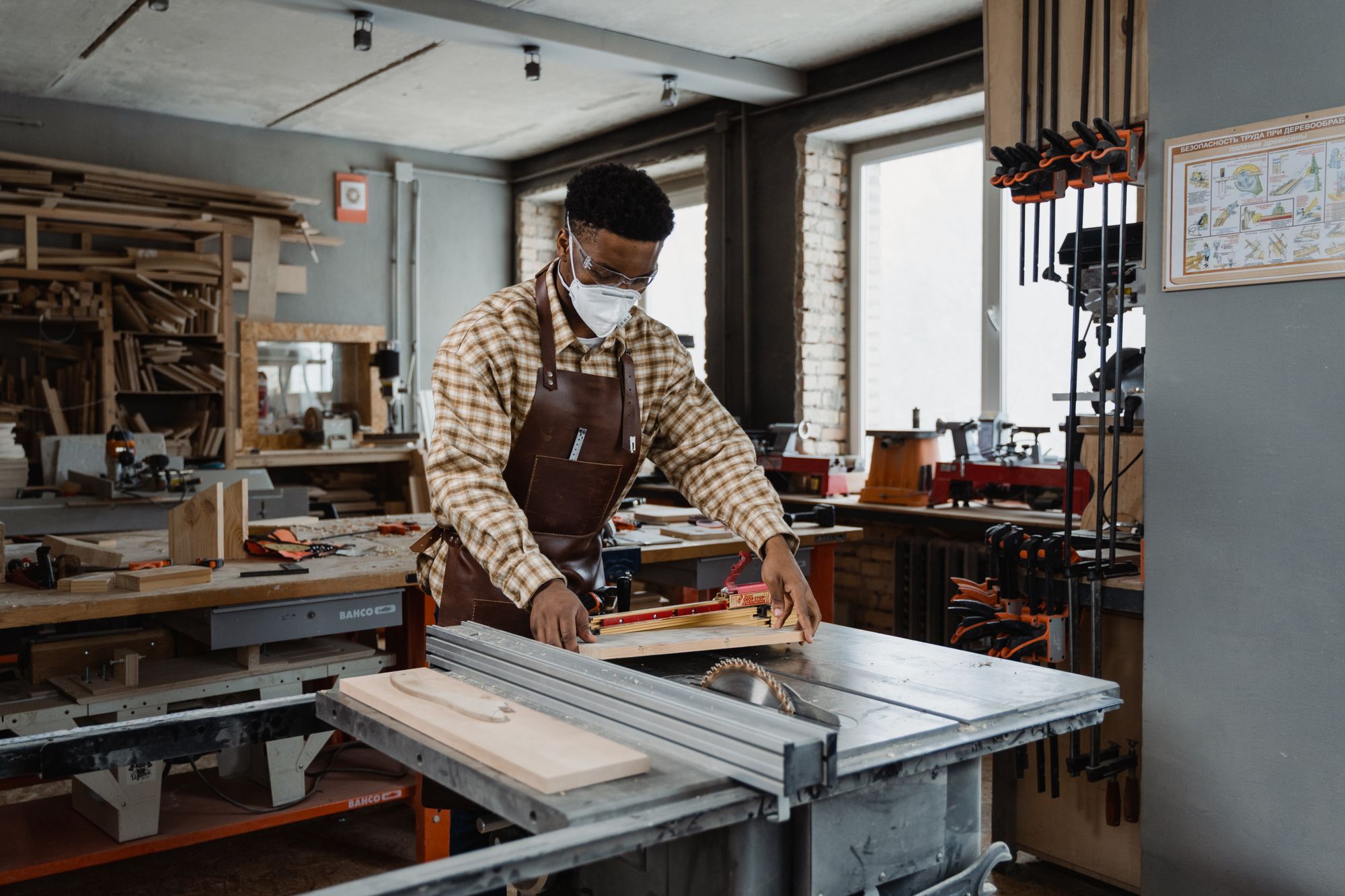
Out of 290,599 hospital discharges tied to home improvement projects in a single year, 117,026 were finger injuries, which works out to roughly four in ten trips to the ER, according to Clearsurance’s analysis of national emergency-room data. That single number beat every other body part and every other injury category the analysis tracked, which means fingers sent more people to the hospital than falls off ladders, than fractures, than burns, than anything else on the list. If you have ever nicked a fingertip on a utility knife and shrugged it off, you were closer to a statistic than you probably realized. This is not a story about clumsy people. It is a story about which parts of your body are doing the most work, sitting closest to the blade, and getting the least protection, and once you see the pattern, your whole approach to a Saturday project list changes.
The Injury Ranking Nobody Predicts
Ask most people to guess the top DIY injury and you will hear “falling off a ladder” or “burning yourself with a heat gun.” The actual data tells a different story. Fingers accounted for 117,026 injuries, more than triple the next closest body part, hands, at 37,308, and well ahead of eyes at 34,827, according to the same Clearsurance analysis. Lacerations were the leading injury type overall too, at 127,486 cases, which lines up neatly with the finger data since cuts are exactly what happens when a blade meets skin at close range. Fractures came in at 35,917 and contusions at 34,806, both real but both dwarfed by the sheer volume of finger trauma. What this tells you is simple: the danger in your garage or basement is not primarily the tall ladder or the loud table saw kicking back. It is the small, repetitive, close-quarters work where your fingers are the ones doing the guiding, the holding, and the steadying, right at the point where the tool is cutting.
The Tools Actually Doing the Damage
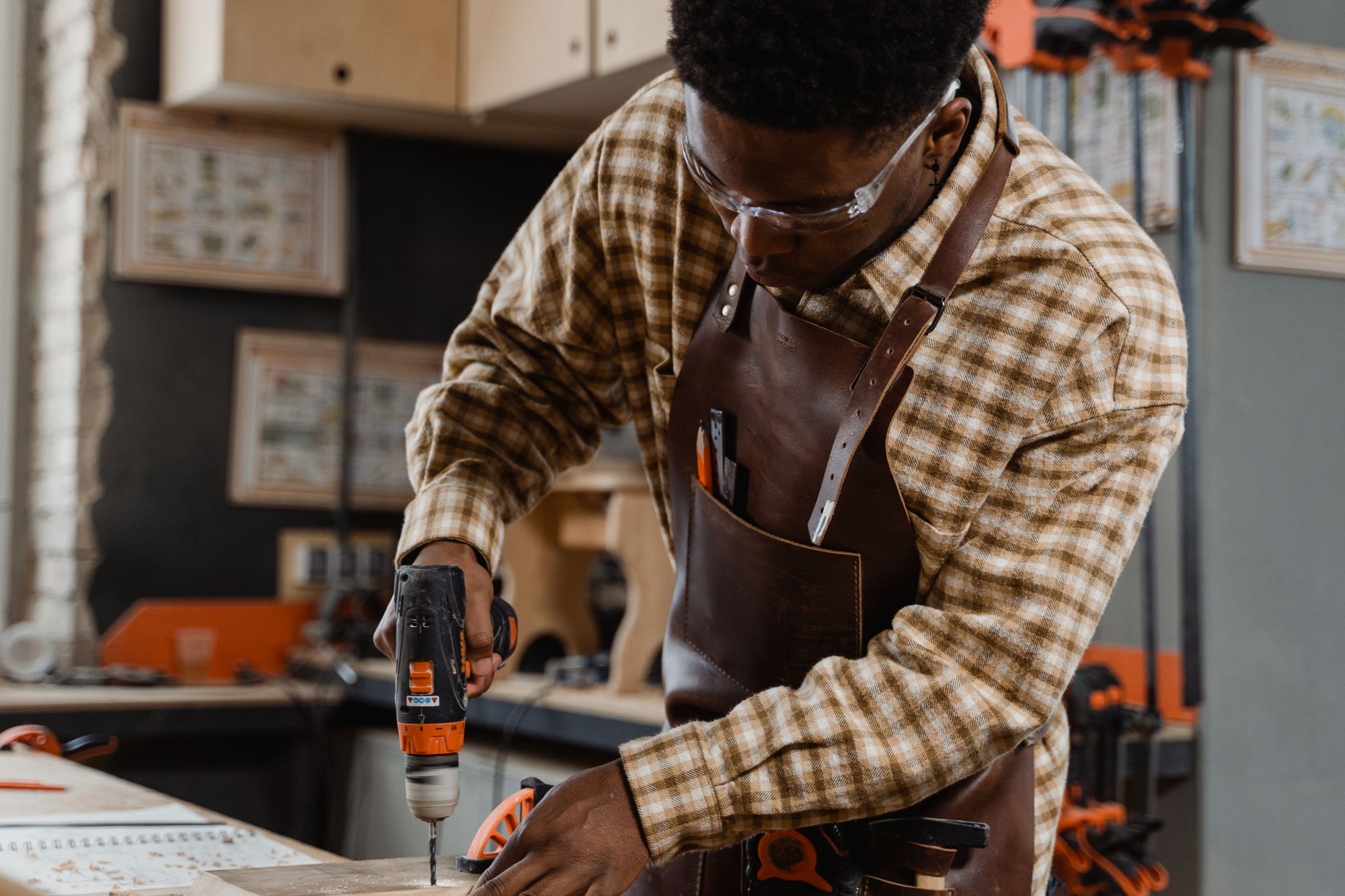
Here is the part that tends to surprise people most: manual tools caused more injuries than power tools did. Basic hand tools, the hammers, chisels, utility knives, and screwdrivers you reach for without a second thought, were tied to 107,285 incidents, while power saws accounted for 83,141, per Clearsurance’s findings. It makes sense once you think it through. A power saw looks dangerous, so you respect it. A utility knife feels harmless, so your guard drops, and that is exactly when a slipped blade catches a thumb instead of cardboard. Power saws may cause fewer total incidents, but they cause devastatingly precise ones. A separate federal review of table saw injuries found that in a recent year, an estimated 25,600 blade-contact injuries, or 96.4 percent of the total, involved fingers, and 2,800 of those injuries were amputations, according to a Consumer Product Safety Commission rulemaking notice. That federal data also found no meaningful decline in blade-contact injuries from 2010 through 2021, even as blade guards became more common on new saws, which tells you the guard alone is not the fix. How you use the tool matters just as much as the tool itself.
What Actually Protects Your Fingers
Most safety advice stops at “wear gloves,” which is honestly incomplete and occasionally bad advice. Around a table saw, miter saw, or drill press, loose gloves can catch on a spinning blade or bit and pull your whole hand in, so many woodworkers deliberately work bare-handed near power cutting tools and save the gloves for handling rough lumber or metal edges instead. What genuinely reduces injuries is far more specific than that.
Keep your blade guard and riving knife installed and functioning, even when they feel like they slow you down. That splitter behind the blade is what keeps wood from binding and kicking back toward your hands, and it is one of the features regulators have specifically targeted because removing it is so common and so costly. Use a push stick or push block anytime your hand would otherwise come within six inches of a moving blade, full stop, no exceptions for “just this one quick cut.” Learn where your tool’s pinch points actually live: the spot where a folding sawhorse hinges shut, the gap behind a garage door track, the space where pliers or a clamp close. Pinch-point injuries happen fastest when you are focused on the workpiece and not on the mechanism moving toward your hand.
Tool maintenance matters more than most people credit. A dull blade needs more force to cut, and more force means less control, which is exactly the combination that causes a knife or saw to slip sideways into a finger instead of through the material. Sharpen or replace blades before they get to that point, and check that guards move freely and cords aren’t frayed before you plug anything in. And take working conditions seriously: fatigue, distraction, and alcohol are consistently present in the injury reports behind these tool-related numbers, because impaired reflexes and dulled attention are precisely what turn a routine cut into an emergency room visit. If you are exhausted, rushed, or have had a drink, the project can wait until tomorrow.
Building the Habit, Not Just the Checklist
One more thing worth internalizing: box cutters and utility knives deserve the same respect you’d give a saw, because their small size is exactly what makes them dangerous. Retract the blade the moment you finish a cut, always cut away from your body and your supporting hand, and replace the blade the instant it starts requiring extra pressure. That single habit, retracting a blade you’re not actively using, prevents an enormous share of the “I just set it down for a second” injuries that show up in emergency rooms.
The real insight buried in these numbers isn’t that DIY projects are dangerous in some abstract way. It’s that the danger concentrates in the ordinary moments you’d never flag as risky, the quick trim with a utility knife, the one-handed grip while your other hand steadies the board an inch from a spinning blade. Respect the small tools the way you already respect the loud ones, keep your fingers out of the tool’s path on purpose rather than by habit, and the project that was always meant to be satisfying stays that way.