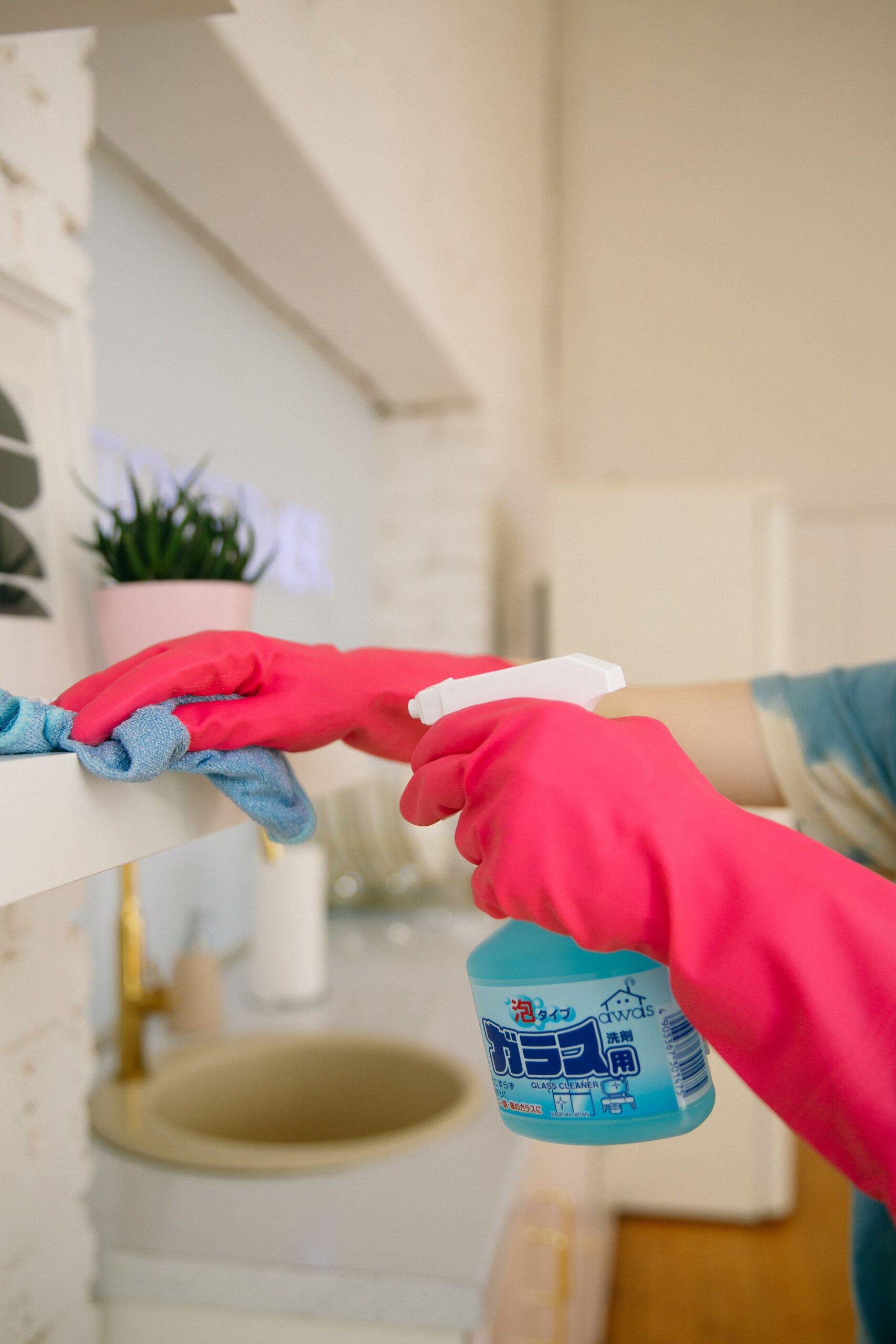
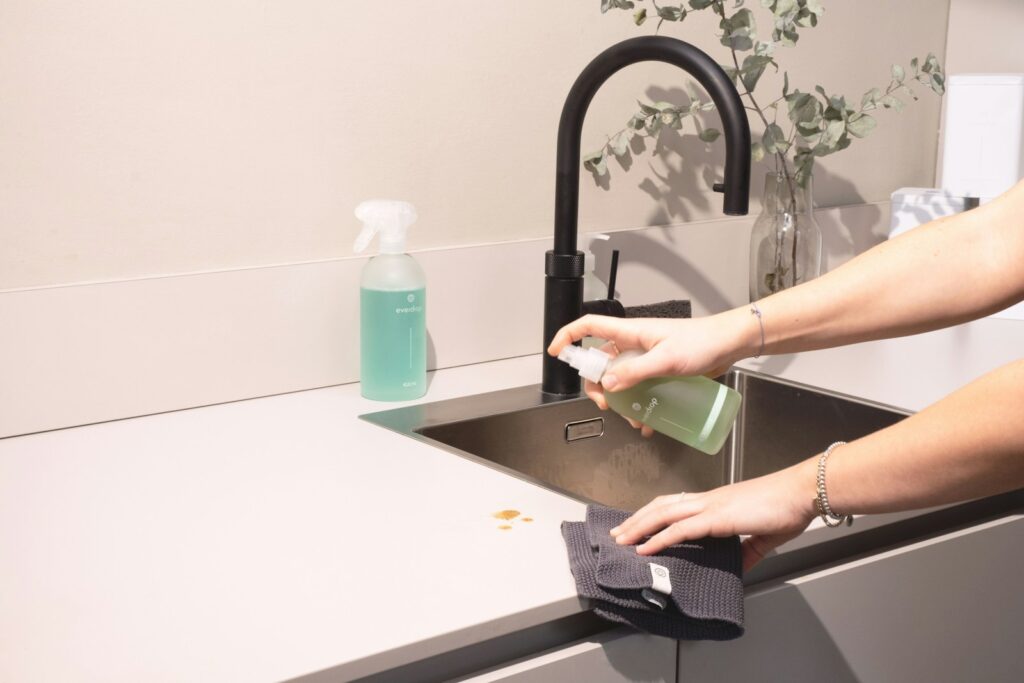
Run a damp cloth with your favorite “natural” all-purpose spray across the kitchen counter tonight, and you’re releasing a puff of chemistry you probably never signed up for. Researchers recently tested thirty cleaning products pulled straight from store shelves, a mix of conventional and green, and identified 530 distinct volatile organic compounds drifting into the air as people cleaned, 193 of which are classified as hazardous to human health, according to the peer-reviewed study published in the journal Chemosphere. Even the fragrance-free green products, the ones that feel like the responsible choice, still released dozens of these compounds with every spritz. That’s the detail worth sitting with: the word “green” on a label tells you almost nothing, on its own, about what actually leaves the bottle and enters your lungs. This doesn’t mean your cleaning cabinet is a hazmat site. It does mean the assumption most of us are quietly working from, that “natural” and “safe” are basically the same word, deserves a second look.
What the Researchers Actually Found
The study, covered in detail by the Environmental Working Group, tested multipurpose cleaners, glass cleaners, and air fresheners spanning both conventional formulas and products marketed as green. Across the board, conventional cleaners averaged about 22 hazardous VOCs per product. Green products with added fragrance averaged around 15. Green, fragrance-free products fared meaningfully better, averaging about 4 hazardous compounds, roughly eight times fewer than conventional cleaners and about four times fewer than their fragranced green counterparts.
So the good news buried in here is real: green products, especially unscented ones, genuinely do emit fewer hazardous compounds than conventional cleaners. That’s not nothing, and it’s worth rewarding with your dollars. But “fewer” is not the same as “none,” and a product can wear a leaf on its label while still sending a measurable dose of hazardous chemistry into your kitchen air. The gap between what a label promises and what a product actually emits is exactly where this study lives, and it’s exactly where most of us have been making assumptions we shouldn’t.
What a VOC Actually Is, and Why Your Nose Already Knows
Volatile organic compounds are gases that evaporate off certain liquids and solids at room temperature. According to the Environmental Protection Agency, indoor VOC concentrations often run two to five times higher than outdoor air, and during certain activities, like using solvent-heavy products, indoor levels can spike to a thousand times background levels. That sharp, clean smell you associate with “just cleaned” isn’t neutral. It’s often the scent of VOCs off-gassing into the room you’re standing in.
Short-term exposure can bring on headaches, dizziness, and irritation of the eyes, nose, and throat, the same fog-headed feeling you might have chalked up to being tired or needing coffee. The EPA notes that longer-term or repeated exposure is where things get more serious, with potential effects on the liver, kidneys, and central nervous system, and some VOCs are known or suspected to raise cancer risk with sustained exposure. The EWG’s review of the cleaning product study also pointed to something that should matter to any parent: prenatal and early childhood exposure to VOCs has been associated with higher rates of asthma and wheezing in kids, and people who clean professionally for a living face notably elevated rates of asthma and chronic respiratory disease. None of this requires you to panic over a bottle of glass cleaner. It does mean the air quality inside your home is something you have real influence over, and it starts with paying attention to what you’re actually spraying into it.
Why “Green” and “Natural” Aren’t Regulated the Way You’d Hope
Here’s the part that catches most people off guard: terms like “green,” “natural,” and “eco-friendly” on a cleaning product label aren’t governed by any consistent legal standard. A brand can call itself green because of its packaging, its plant-derived surfactants, or simply its marketing instincts, without that claim telling you anything specific about VOC emissions. The study’s own findings back this up, since fragrance, not the “green” branding itself, turned out to be one of the biggest drivers of hazardous emissions. Fragranced green products released nearly four times more hazardous VOCs than their fragrance-free counterparts, which tells you the marketing category matters far less than the actual ingredient list.
This is where you get to become a slightly more discerning shopper without turning grocery runs into a chemistry exam. Flip the bottle over. Look for “fragrance-free” rather than “unscented,” since unscented products sometimes contain masking fragrances to cover other smells. Be wary of vague catch-all terms like “plant-based cleaning agents” that don’t specify which plants or which agents. A short, specific ingredient list is generally a better sign than a long story on the front label about how the company feels about the earth.
Crack a Window Before You Reach for the Spray Bottle
One of the simplest, most underused tools you have is ventilation, and it costs nothing. Open a window, turn on a bathroom or kitchen exhaust fan, or point a box fan toward the outdoors while you clean, especially in smaller rooms where VOC concentrations build up fastest. Since indoor air can trap these compounds at levels several times higher than what’s outside, moving fresh air through the space while you work and for a while afterward measurably cuts down what you and your family end up breathing. If you clean on a set day each week, try making that the day you also air out closets, under-sink cabinets, and the laundry room, all places where VOC-emitting products tend to sit sealed up and concentrated between uses.
Let the EPA Do Some of the Homework for You
If reading ingredient lists still feels like guesswork, there’s a shortcut. The EPA’s Safer Choice program independently evaluates cleaning products against strict criteria for human and environmental safety before allowing them to carry the Safer Choice label. It covers everyday categories you’re already buying, including all-purpose cleaners, dish soap, laundry detergent, and tub and tile cleaners, and you can browse the full list of certified products directly through the program’s site. Unlike a company’s own “green” claim, this label reflects an outside, science-based review rather than marketing language a brand wrote about itself. It’s genuinely one of the easiest upgrades you can make: same shopping trip, same budget range, meaningfully lower chemical exposure.
Simple Swaps That Actually Earn Their Keep
You don’t need a cabinet full of specialty products to cut down on VOC exposure at home. A few humble staples handle a surprising amount of everyday cleaning without the long ingredient list. Plain white vinegar diluted with water, roughly equal parts, cuts through mineral buildup on faucets and shower doors and works beautifully on glass and mirrors when you finish with a lint-free cloth. Baking soda made into a paste with a little water is a gentle abrasive for scrubbing tubs, sinks, and stovetops without scratching, and it does double duty as a fridge deodorizer left in an open container. Castile soap diluted in water makes a solid everyday floor and surface cleaner for most sealed surfaces.
A couple of honest caveats, because usefulness matters more than purity here. Vinegar and baking soda are wonderful for cutting grease and grime, but they aren’t registered disinfectants, so they’re not the right tool when you actually need to kill viruses or bacteria, like after handling raw poultry or during flu season on high-touch surfaces. And never mix vinegar with bleach; the combination produces chlorine gas, which is dangerous to breathe in an enclosed space. For those disinfecting jobs, look for a Safer Choice-certified disinfectant rather than reaching for whatever’s under the sink, and always give the room a few minutes of open-window time afterward.
The real takeaway here isn’t that your home is secretly toxic or that you need to overhaul your entire cleaning cabinet by Friday. It’s that “green” was never a magic word, it was always just a starting point, and now you know enough to look past it to what actually matters: the ingredient list, the fragrance content, a Safer Choice label, and a cracked window while you work. That’s a small shift in habit, not a lifestyle overhaul, and it’s the kind of quiet, informed choice that adds up to genuinely cleaner air in the place where you spend most of your life.