You already know the toilet needs bleach every week, maybe rubber gloves, maybe its own dedicated scrub brush kept far away from anything that touches food. The kitchen sink, meanwhile, gets a quick rinse and whatever soap happens to run off the dinner plates. That instinct feels backward the moment you look at the actual lab results. When NSF International sent trained technicians into twenty-two real homes and swabbed thirty everyday household surfaces for coliform bacteria, the family of organisms that includes E. coli and signals fecal contamination, the kitchen sink tested positive in 45 percent of homes. That rate is higher than the bathroom faucet handle, higher than the toothbrush holder, and high enough that the toilet seat, the surface most people scrub hardest and touch least, didn’t even land on the study’s list of the ten germiest items in the house. If that makes you want to go eye your own sink suspiciously, you’re having exactly the reaction the researchers had.
What NSF International Actually Tested
NSF International is best known for certifying water filters and food equipment, but its consumer research division also runs detailed household microbiology testing, the kind most of us never see happen. For the household germ study, researchers didn’t ask people to guess where the germs were. They went in with swabs and lab equipment and tested real surfaces in real, lived-in homes for yeast, mold, and coliform bacteria, including E. coli and salmonella. The kitchen results were rough: dish sponges and rags came back positive more than 75 percent of the time, kitchen sinks at 45 percent, countertops at 32 percent, and cutting boards at 18 percent. Compare that to the bathroom, where toothbrush holders tested positive 27 percent of the time and faucet handles just 9 percent. Three of the five germiest spots in the entire house turned out to be in the kitchen, not the bathroom.
NSF’s own cleaning expert wasn’t surprised by the mismatch between where people think the germs are and where they actually live. “The kitchen and bathrooms are the germiest places in the home,” says Lisa Yakas, Senior Account Manager for EPA’s Safer Choice cleaning products and NSF’s home product certification, in the study writeup. It’s a simple line, but it cuts against the assumption most of us are working from, which is that anything near a toilet must be the dirtiest thing we own.
Why the Sink Wins the Wrong Kind of Contest
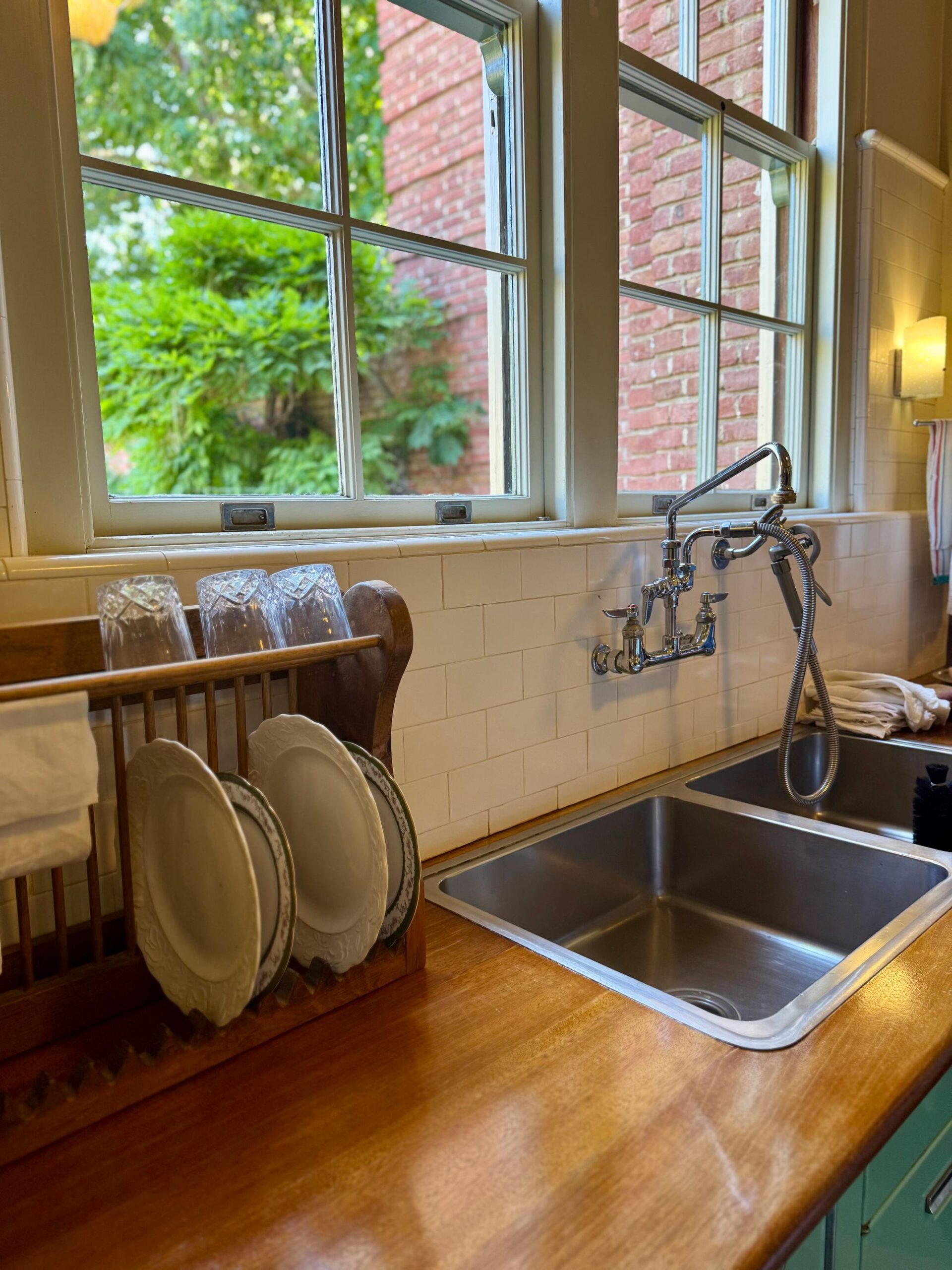
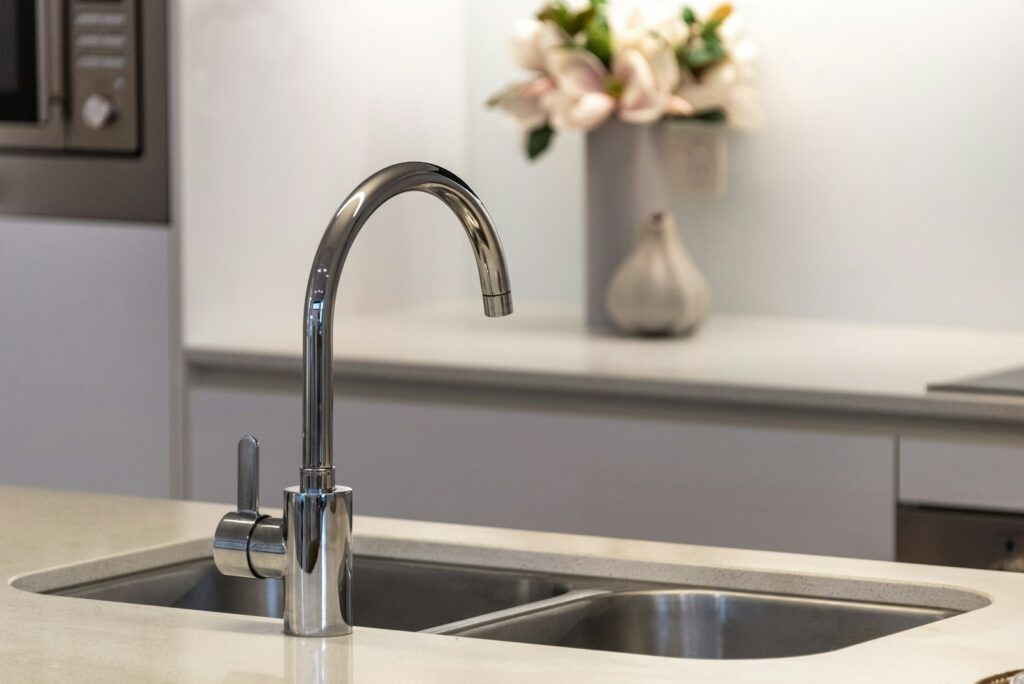
The toilet actually has a few things going for it that the sink doesn’t. It’s smooth, it’s not warm, and it doesn’t have food residue clinging to it, and because everyone already assumes it’s the dirtiest surface in the house, it gets cleaned often and cleaned thoroughly. The kitchen sink has the opposite problem. It’s where raw chicken juice drains off a cutting board, where the last bit of scrambled egg gets rinsed off a plate, where a colander of just-washed produce sits dripping. Bacteria need moisture, warmth, and an organic food source to multiply, and a kitchen sink offers all three pretty much around the clock. Add a wet dishrag draped over the faucet or a damp sponge sitting in the corner of the basin, and you’ve built a small, self-sustaining bacteria habitat that gets refreshed every time someone does the dishes.
The Sponge Is Doing Most of the Damage
That 75-percent-plus contamination rate for sponges and rags isn’t a coincidence sitting next to the sink’s 45 percent, it’s a big part of the explanation for it. A sponge is porous, it stays damp for hours after use, and it’s packed with tiny bits of the exact food particles bacteria feed on. Every time you use it to wipe down a counter or scrub a dish, you’re not really cleaning the surface so much as redistributing whatever’s living in the sponge across it, and that includes the sink basin itself. A sponge sitting in a sink for days at room temperature is, functionally, a bacteria incubator with a handle.
How Often to Replace Your Sponge
The most useful habit you can build here is treating your sponge like the perishable item it actually is. A good rule of thumb is to replace it weekly, and to swap it out immediately if it starts smelling sour even right after rinsing, since odor is usually your first real warning sign. Running a damp sponge in the microwave for one to two minutes can knock down some bacteria between replacements, but it won’t reliably kill everything, particularly bacterial spores, so treat it as a stopgap rather than a substitute for tossing the sponge on a regular schedule. If you’d rather sidestep the problem altogether, a dish brush with a replaceable head dries out fully between uses and simply doesn’t hold onto moisture and food debris the way a sponge does, which makes it a genuinely easier surface to keep sanitary.
Disinfecting the Sink Basin the Right Way
Cleaning and disinfecting are two different steps, and skipping straight to the second one without the first doesn’t actually work, because grease and food residue can shield bacteria from a sanitizing solution. Start by scrubbing the basin with dish soap and hot water to physically remove debris, then follow up with a disinfecting step: a solution of about one tablespoon of unscented bleach per gallon of water, or a food-safe disinfectant made for kitchen surfaces, left to sit on the basin for roughly a minute before rinsing. The federal food safety guidelines at FoodSafety.gov recommend washing cutting boards, dishes, utensils, and countertops with hot, soapy water especially after they’ve held raw meat, poultry, seafood, or eggs, and that same logic applies directly to the sink basin those items were rinsed in. Doing this two or three times a week, and always after handling raw protein, keeps the sink from quietly reloading itself with bacteria between dish sessions.
Don’t Forget the Drain
The visible basin is only half the problem. Food particles, grease, and soap scum build up inside the drain and garbage disposal, forming a biofilm that a wipe-down of the sink surface never touches. Once a week, pour about half a cup of baking soda down the drain, follow it with a cup of white vinegar, let the fizzing reaction sit for ten to fifteen minutes, and then flush it with hot water. If you have a garbage disposal, running ice cubes through it periodically helps knock loosened debris off the blades, and a few citrus peels afterward leave things smelling considerably better, though smell alone isn’t a reliable indicator that the bacteria load is actually down. For a deeper clean once a month, a food-safe enzymatic drain cleaner breaks down the organic buildup that baking soda and vinegar can’t fully reach.
None of this means your kitchen is secretly dangerous or that you need to start treating dinner prep like a hospital procedure. What it actually means is simpler: the amount of attention a surface gets should be based on what’s living on it, not on which room it happens to be in. You’ve probably spent years giving the toilet the benefit of the doubt in reverse, assuming the worst and cleaning accordingly, while the sink got a pass simply because it’s where clean dishes come from. Flip that assumption, and the rest of your kitchen routine, the sponge swap, the basin disinfecting, the weekly drain flush, stops feeling like extra work and starts feeling like the obvious next step.