



Smart speakers on the counter, cameras over the porch, lights that obey a tap on a phone, the modern home is wired for comfort. What most people do not see is the quiet tradeoff happening in the background, where convenience is paid for with data about daily life. The gadgets are smart, but the privacy defaults are not, and that gap is exactly where trouble starts.
From weak passwords to always-on microphones, the typical setup leaves a lot more exposed than homeowners realize. The result is a house that feels futuristic on the surface while quietly leaking information about routines, habits, and even conversations to companies and, in the worst cases, to strangers.

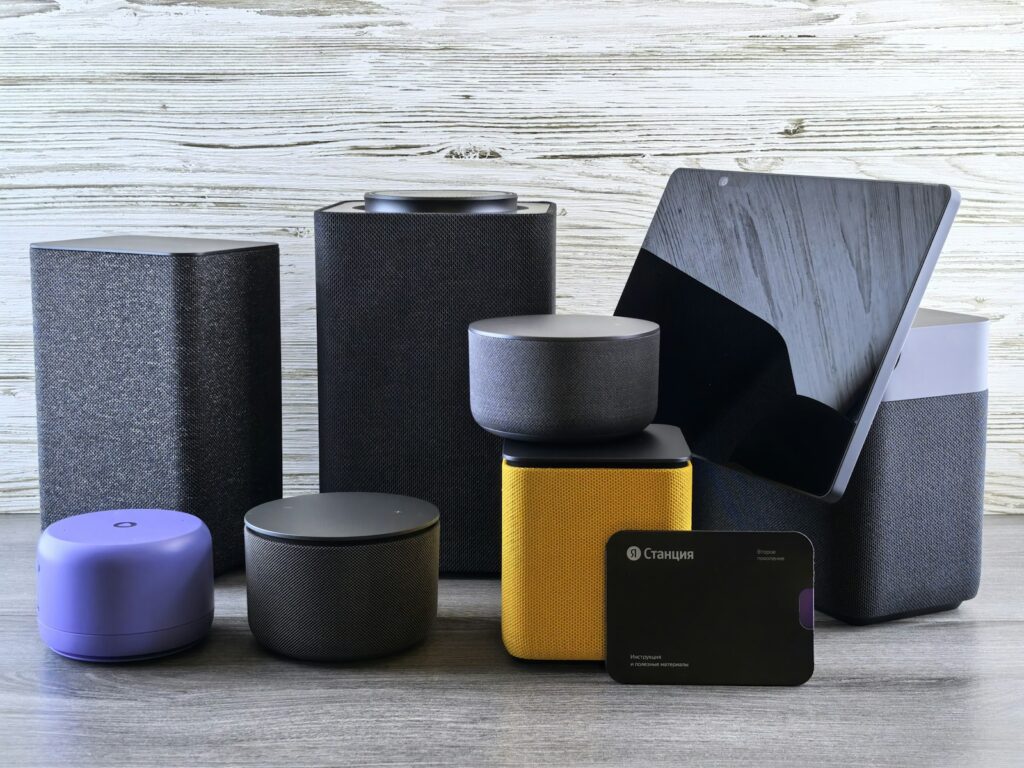
Smart homes run on data, not magic
Every connected gadget in a house is essentially a sensor, and together they build a detailed picture of how people live. A single smart thermostat knows when someone is home, but a cluster of devices, from door locks to plugs, can map out sleep schedules, work hours, and travel patterns. That is the trade at the heart of the smart home revolution, the same data that powers features like automation and energy savings also fuels what one guide bluntly describes as data collection galore.
Once that information leaves the living room and hits the cloud, it is governed by privacy policies that most people never read. Sponsored research on connected homes notes that connected devices have turned networked living from a novelty into an everyday baseline, which means this quiet data flow is now routine. The same analysis warns that smart systems are often designed to share information broadly inside vendor ecosystems, so a single doorbell or camera can end up feeding multiple services that all want a slice of household behavior.
The hidden risks inside “set it and forget it” gadgets
The biggest privacy problem in most smart homes is not a Hollywood-grade hacker, it is the default settings that ship with the gear. Security researchers point out that left unsecured, smart home devices can be quietly taken over and even streamed or sold on the dark web. Another review of common flaws notes that weak or default passwords and missing updates are still standard in many products, which makes it trivial for attackers to guess their way into cameras or hubs.
Those technical gaps sit on top of a more basic privacy issue, the devices are always listening, watching, or logging, even when no one is actively using them. A smart home privacy explainer describes how voice assistants and sensors quietly track beyond the obvious commands, collecting background activity to “enhance performance.” Another consumer guide warns that if firmware updates stop, a camera or sensor can stay exposed for years, long after the manufacturer has moved on, leaving a permanent weak spot in the home network.
When your assistant is also an eavesdropper
Voice assistants are the friendliest face of the smart home, but they are also some of its most intrusive residents. A smart privacy briefing on voice assistants explains that most process commands in the cloud, which means snippets of speech leave the house and land on remote servers. The same guidance underlines that voice assistants can pick up more than just the wake word, capturing fragments of conversations that happen nearby.
Security educators have leaned into this point with vivid examples, asking people to imagine waking up to a smart speaker that has been quietly listening in on private conversations or a camera that has been streaming to an unknown account. A video explainer on smart home risks uses that scenario to walk through what can go wrong when microphones and lenses are always on and poorly secured. Another slideshow on smart devices notes that smart speakers and cameras deliver convenience and comfort, but only if owners take the time to keep their recordings and controls under their own control instead of leaving everything on autopilot.
Your Wi‑Fi is the real front door
All of those gadgets ride on the same home network, which quietly becomes the real front door to the house. A detailed breakdown of IoT incidents notes that unauthorized access and are among the most common problems in this space, often because devices ship with weak defaults and never get hardened. Once an attacker lands on the Wi‑Fi, they can pivot from a cheap plug or bulb to more sensitive devices like laptops and phones that share the same network.
Network pros have been sounding the alarm on this for a while. In one widely shared thread, a Top 1% Commenter explains that network segregation is essential, especially when using an ISP’s router or a google mesh system that depends on a cloud server for configuration management. The advice is simple but rarely followed: put smart TVs, speakers, and plugs on a separate VLAN or guest network so a compromise in one corner of the house does not automatically expose banking apps or work laptops.
AI security, but also AI‑powered snooping
Home security is getting smarter, and that cuts both ways. Industry forecasts say home security is shifting from “record and review” to “detect, decide, and act,” with cameras that can tell the difference between a person and a tree shadow. That kind of AI on the doorstep can reduce false alarms and make monitoring less of a chore, but it also means more detailed analysis of who comes and goes, when, and how often.
The same AI wave is hitting the offensive side. A privacy guide for everyday users warns that cybersecurity in 2026 does not just mean antivirus, it also means staying ahead of new AI‑powered scams that can mimic voices, spoof emails, or guess passwords at scale. That is why the same guide pushes people to use strong and with a minimum of 14 to 18 characters, a mix of letters, numbers, and symbols, and passwords that are not based on personal information that can be scraped from social media.
More from Decluttering Mom: